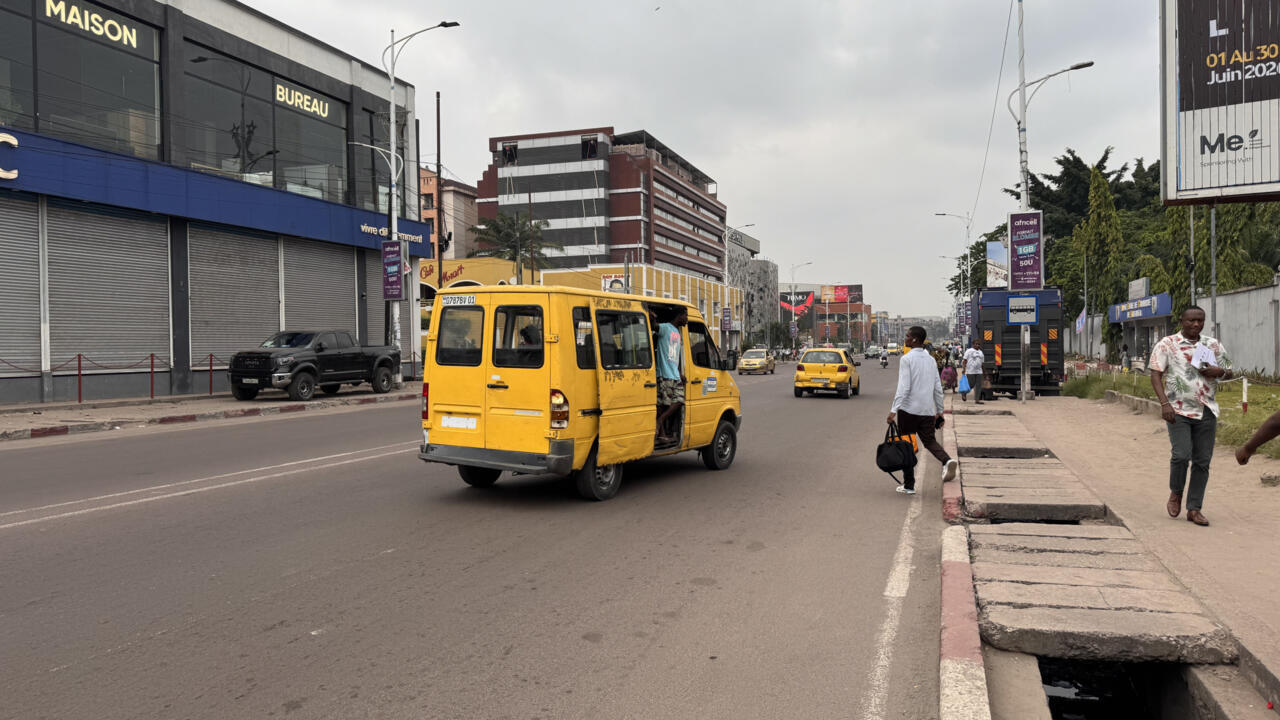
Kinshasa’s ‘dead city day’ for constitutional protest: an assessment
In the Democratic Republic of Congo, the opposition recently orchestrated a significant protest in Kinshasa, aiming for a complete shutdown of the capital in a demonstration dubbed a “dead city day.” This action was a direct response to concerns over a potential alteration to the national Constitution. The core question remains: how effective was this strategy, and what does it signify for the ongoing political tension with the ruling power?
During the designated protest day, observations in Kinshasa’s city center indicated notably sparse traffic. This visual evidence suggests a degree of public adherence to the opposition’s call for a “dead city” – a tactic designed to demonstrate widespread discontent and the capacity to disrupt daily life. The success of such a maneuver often hinges on the level of public participation and its ability to send a clear message to the government regarding its proposed constitutional reforms.
As the standoff between the opposition and the authorities in the RDC continues, political observers are now scrutinizing the long-term implications of this protest. The effectiveness of future opposition strategies and the government’s response to this public show of dissent will undoubtedly shape the country’s political landscape.
