Cameroon grants Prometal direct power access from dams
The Cameroonian government has given the green light to Prometal, the leading steel processor in Cameroon and Central Africa, to secure 90 megawatts of capacity from the Electricity Development Corporation (EDC), the state-owned electricity sector enterprise. Finalizing the contracts will follow a series of consultations scheduled from June 8 to 12, 2026, at the Prime Minister’s office in Yaoundé. A June 1 letter from Secretary-General Séraphin Magloire Fouda to Water and Energy Minister Gaston Eloundou Essomba outlines the roadmap for this agreement.
Prometal joins second industrial player with direct access to Cameroon’s dams
The upcoming discussions will focus on the special pricing granted to Prometal since February 2025 and the finalization of contractual documents. Two agreements will structure this arrangement: a supply contract between EDC and the steelmaker, and a compensation agreement between EDC and the recently restructured Cameroonian Electricity Company (Socadel), formerly Eneo. Once signed, Prometal will become the second company in Cameroon to draw electricity directly from dam sources, following the Cameroonian Aluminium Company (Alucam).
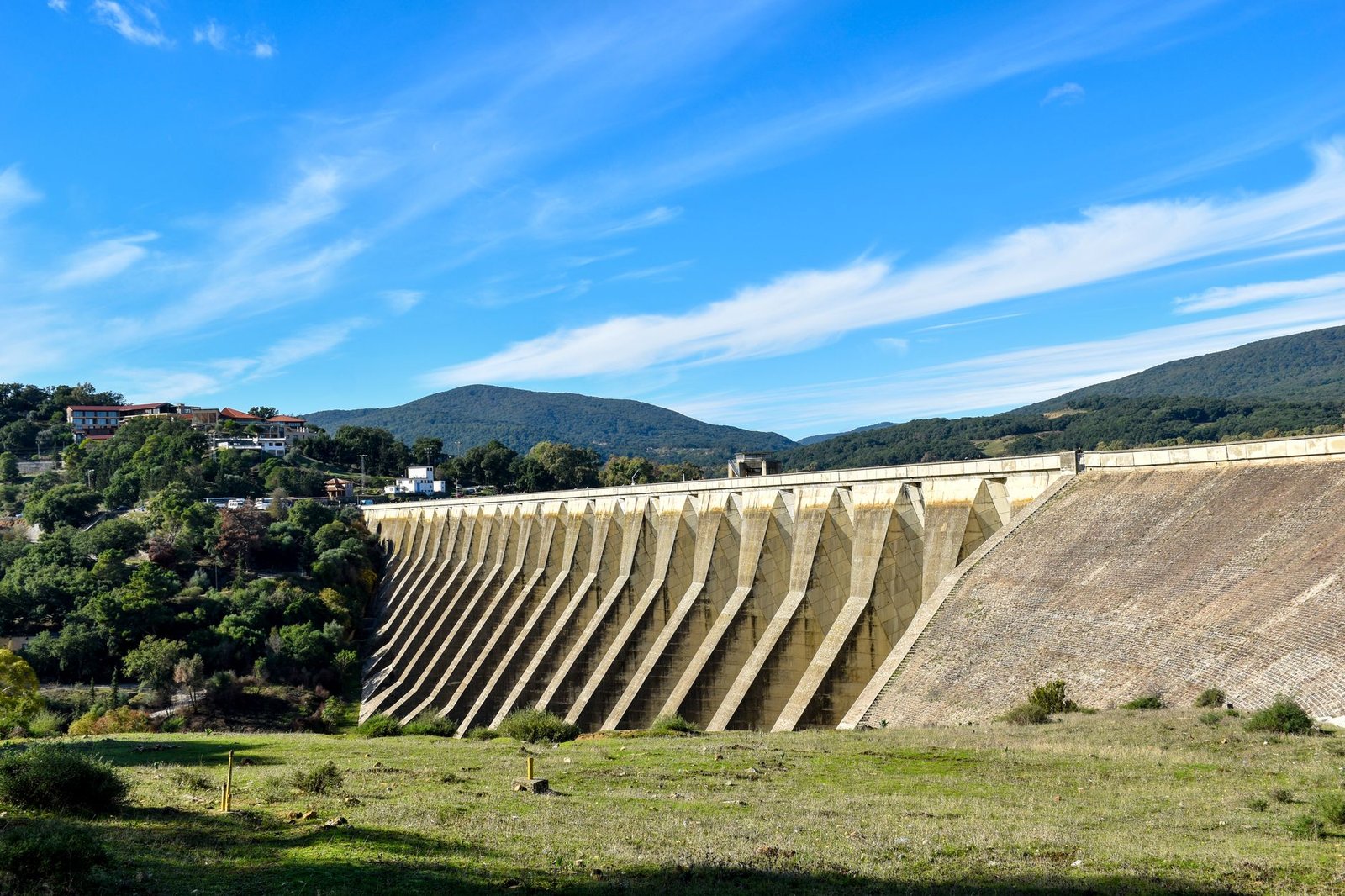
The precedent set by Alucam carries significant weight in this setup. Long recognized as Cameroon’s largest electricity consumer—at times accounting for up to 40% of national production—the aluminium giant is directly connected to the Edéa dam. This facility, like the Songloulou dam, now falls under Socadel’s portfolio. Prometal, however, will be supplied from EDC-managed infrastructure, specifically the Lom Pangar dam and its 30 MW foot plant, and Memve’élé, whose peak output reaches 211 MW.
Energy demand triples in three years for steel giant
This shift to direct supply aligns with Prometal’s industrial expansion. With five operational units in the Douala-Bassa industrial zone—Prometal 1, 2, 3, Profab, and Progaz—the group’s energy consumption surged from 26 MW in 2024 to 40 MW in 2025. Projections for 2026 estimate 60 MW, rising to 90 MW by 2027 with the launch of Proalu, a sixth facility dedicated to aluminium sheet and electrical cable production.
For an industrial player of this scale, securing a stable supply and controlling kilowatt-hour costs are critical to maintaining competitiveness. The traditional grid, plagued by structural tensions between generation, transmission, and distribution, could no longer absorb this load without disrupting production lines. Direct supply from EDC enables pricing tied to water rights, bypassing downstream system segments.
EDC leverages deal to fund new projects
While EDC’s official stance emphasizes broader benefits, the financial upside is clear. The corporation’s revenue model relies on water rights fees and reinvestment into new infrastructure. However, payment delays from Socadel, its long-standing client, have strained this model. Prometal’s entry as a creditworthy counterparty provides much-needed liquidity. Insiders point to pending projects awaiting funding, including the Mbakaou power plant (now scaled to 400 MW), the Memve’élé 2 project, and a 50 MW solar plant under study at the Memve’élé site.
Prometal’s financial footprint in Cameroon’s electricity sector is substantial. Between 2016 and 2025, the group paid 42 billion FCFA in bills to Eneo (now Socadel) and the National Electricity Transmission Company (Sonatrel), averaging 4.2 billion FCFA annually injected into the sector. Redirecting these flows to EDC could reshape operator dynamics and accelerate consolidation in the state-owned segment.
