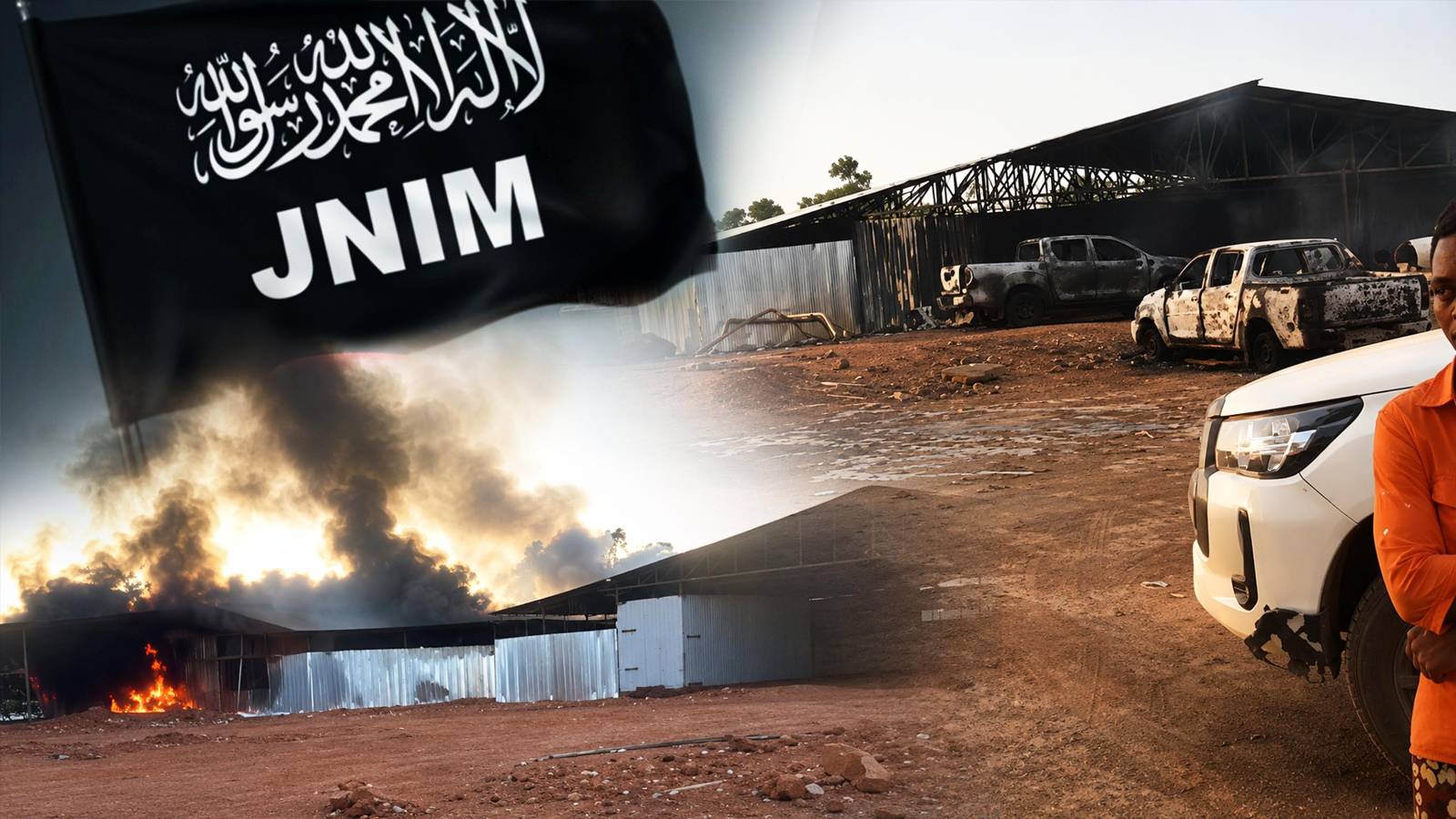
JNIM intensifies attacks on chinese mining sites in Mali
JNIM’s bold strike at a Chinese mining site in Naréna
The Group for the Support of Islam and Muslims (JNIM) has once again demonstrated its operational reach by launching a highly coordinated attack on a Chinese-operated mining facility in Naréna, a town near the Guinea border in the Kangaba district. The assault, which unfolded under cover of darkness, left behind a trail of destruction and underscored the growing vulnerability of Mali’s economic interests in the face of escalating jihadist violence.
The militants, arriving in motorized convoys and armed with automatic weapons, swiftly overpowered the site’s defenses. Key infrastructure, including excavators, power generators, and administrative offices, was systematically torched. The human toll was even more severe: nine Chinese nationals were abducted and forcibly removed from the scene, their fate now shrouded in uncertainty. Such hostage-taking has become a hallmark of the JNIM’s strategy, serving as both a tactical advantage and a bargaining chip in negotiations with both Bamako and Beijing.
The widening security vacuum in Mali
The Malian Armed Forces (FAMa) continue to struggle in containing the insurgency, which has now crept into the southern and western regions—areas previously considered less exposed to large-scale jihadist offensives. The Naréna attack lays bare the critical failure of Mali’s security apparatus. A mining operation of this scale, situated mere kilometers from an international border, should have been a top priority for protection. Instead, it became a soft target, exposing the absence of a cohesive security framework.
On the ground, the military’s response has been reactive at best. Fortified but static, the FAMa appears unable to anticipate or counter such raids, highlighting deep-seated deficiencies in military intelligence and mobility. Promises of regaining control over national territory ring hollow as the state’s authority continues to erode, with each new attack chipping away at its legitimacy.
Russia’s Wagner Group: a failed gamble for Mali
When the military junta severed ties with Western partners and expelled the UN peacekeeping mission, it pinned its hopes on Russian military contractors—formerly known as Wagner Group—as a solution to the crisis. Yet, the results have been underwhelming. The contractors, trained in brutal counterinsurgency tactics, have proven ill-suited for securing industrial sites or engaging in prolonged asymmetric warfare.
Their patrols have failed to deter the JNIM, and their presence has done little to stem the group’s territorial expansion. As attacks creep closer to the capital and critical mining zones, the narrative of a Russian-backed security miracle is rapidly unraveling. The Kremlin’s gamble in Mali is looking increasingly misplaced, with no tangible improvements in sight.
China’s economic interests: a new front in the conflict
The JNIM’s decision to target Chinese interests is no coincidence. Beijing stands as Bamako’s most significant economic partner, particularly in the gold and infrastructure sectors. By striking at these vital assets, the jihadists aim to strangle the Malian economy while sending a stark message to foreign investors: the Malian state can no longer guarantee their safety.
This development may force China to reassess its investment strategy in the Sahel, potentially pressuring the Malian junta to offer concrete security guarantees that it is currently unable to deliver. The ripple effects of the Naréna assault could reshape regional geopolitics, with foreign stakeholders re-evaluating their engagement in a country sliding further into instability.
A turning point with dire consequences
The JNIM’s attack in Naréna is more than just another violent incident—it is a strategic inflection point in Mali’s deepening crisis. By striking in a region bordering Guinea, the group has shown that it operates with near impunity, striking at will and choosing targets that maximize economic and political pressure.
The Malian military’s inability to respond effectively, coupled with the ineffectiveness of foreign mercenaries, paints a grim picture of a state losing its grip on reality. Without a radical shift in strategy—one that prioritizes both civilian protection and economic stability—Mali risks sinking deeper into a lawless abyss, with no end to the chaos in sight.
