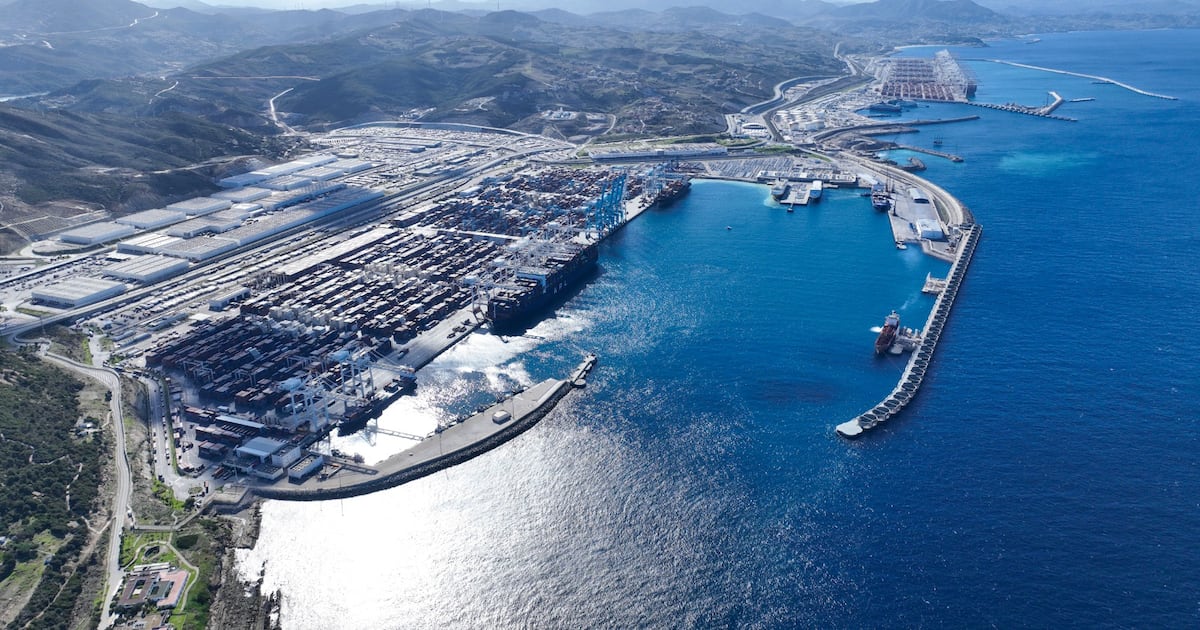
Japanese agency to modernize Morocco’s ports with cutting-edge tech
Morocco’s port infrastructure continues to attract global attention, positioning the North African nation as a key player in international trade. The Japan International Cooperation Agency (JICA) has outlined its ambitious plans to develop the Kingdom’s port system, following its inclusion in the agency’s upcoming consultancy projects schedule. According to the official program document, a specialized mission will be deployed from September 2, 2026, to February 26, 2027, following the July 1, 2026, tender announcement, to assess the future development prospects of Tanger Med, Casablanca Port, and the broader national port network.
Tanger Med and Casablanca Port handle approximately 98% of Morocco’s foreign trade and serve as critical hubs in global supply chains connecting Europe, Africa, and international markets. This strategic importance underscores the need for modern, efficient, and sustainable port infrastructure to support Morocco’s economic growth trajectory.
driving economic development through port modernization
The JICA’s involvement extends beyond technical expertise, aiming to align Morocco’s port system with the next phase of its economic development. The consultancy mandate emphasizes upgrading infrastructure, digital transformation, decarbonization, and reinforcing Morocco’s role as a bridge between Europe and Africa. The mission will evaluate current progress and identify necessary adaptations to meet evolving global trade demands.
Today’s port competitiveness hinges not only on physical capacity but also on the integration of environmental, digital, and technological innovations reshaping maritime transport. The study will focus on three key pillars: infrastructure upgrades, operational efficiency, and sustainability.
preparing for tomorrow’s trade flows
A significant portion of the mission will concentrate on forecasting future trade flows. Experts will analyze cargo traffic trends, evaluate expansion projects, assess urban planning initiatives, and examine port management structures. The assessment will also review institutional frameworks, actor responsibilities, and connectivity—both maritime and terrestrial—that link Moroccan ports to major European and African markets.
The goal is to ensure alignment between existing infrastructure and the nation’s future economic needs. This comprehensive evaluation will culminate in a development strategy paired with an execution plan to harmonize investments, governance, and evolving trade dynamics.
prioritizing environmental transition and digital innovation
Environmental sustainability is a cornerstone of this initiative. Consultants will inventory existing green policies in Moroccan ports, assess carbon emission reduction measures, and evaluate energy efficiency strategies. Additionally, the study will delve into digital port operations, including management system modernization,
