
Trade and geopolitics
US-China rivalry targets Cameroon’s strategic minerals
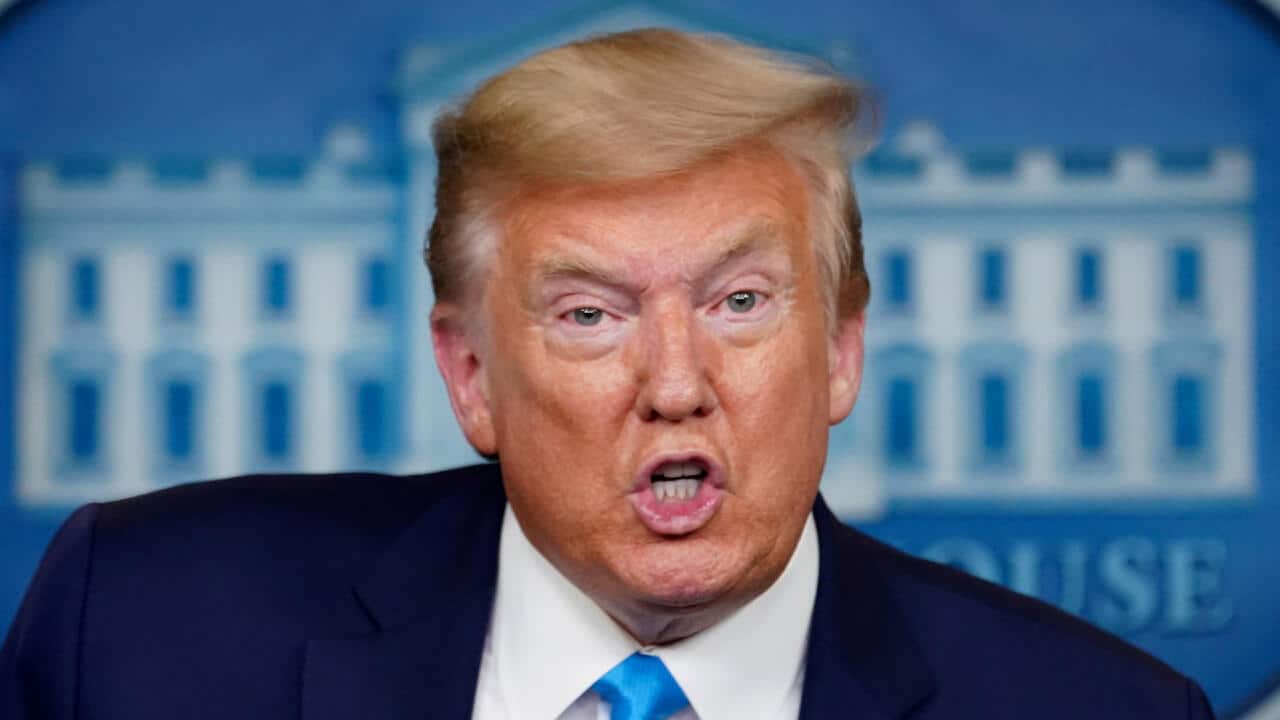
Since his first term, Donald Trump has systematically reshaped US policy to counter China’s growing influence in Africa, now viewed as Washington’s primary strategic competitor.
Washington’s strategic shift toward Cameroon
Since entering office, the Trump administration has made reducing US dependence on Chinese rare earth minerals a cornerstone of its economic security strategy. To execute this pivot, Washington has mobilized GreenMet, a company founded by former Trump national security adviser Drew Horn, who recently concluded a discreet but strategically significant visit to Yaoundé.
Horn, a longtime Trump ally who previously served as principal advisor to the US Director of National Intelligence, leads a team of former White House officials and trusted associates—including former Trump legal counsel Georges Sorial and former Trump Organization security director Keith Schiller. This group represents the operational arm of a broader US strategy to counter Chinese influence in Africa by securing critical mineral supplies.
One of GreenMet’s most consequential moves has been its securing of a Memorandum of Understanding (MoU) with Cameroonian authorities, though the specifics of the agreement remain undisclosed. What is clear is that American Renaissance Minerals (ARM), a GreenMet affiliate, has emerged as the frontrunner for developing the Nkamouna nickel and cobalt project. Beyond these base metals, Washington has also set its sights on Cameroon’s rare earth deposits—resources that are increasingly vital for advanced technology and defense applications.
In a bold diplomatic maneuver, the Trump administration bypassed congressional restrictions that would have otherwise excluded Cameroon from the African Growth and Opportunity Act (AGOA). Instead, the White House has leaned on the American Chamber of Commerce in Cameroon (AmCham) to facilitate trade agreements, signaling a new era of US-Cameroon economic cooperation.
Unlike China, which has established a dominant presence in the Democratic Republic of the Congo through extensive mining investments, the United States is pursuing a different model—one that ties economic support to stringent transparency requirements in extractive industries and legal frameworks. This approach aligns with Washington’s broader goal of fostering sustainable development while reducing its carbon footprint through responsible mineral sourcing.
US intelligence agencies have reportedly intervened following revelations from the Extractive Industries Transparency Initiative (ITIE) regarding illicit gold trafficking in the region. American officials are now collaborating with Cameroonian authorities to dismantle these networks and curb resource exploitation.
The US diplomatic offensive extends beyond economics. In just eight months, Cameroonian President Paul Biya has hosted two high-profile military delegations from Washington: General Dagvin Anderson, then-commander of AFRICOM, in September 2025, and Lieutenant General John William Brennan Jr., AFRICOM’s deputy commander, in May 2026. These visits underscore the growing strategic importance of Cameroon in US security calculations for Central Africa.
Improving the business climate has become a top priority for Washington. As Christopher Lamora, the US Ambassador to Cameroon, stated earlier this year: “I would sincerely like to see more American companies investing in Cameroon, forging commercial relationships, and establishing partnerships—including joint ventures between US and Cameroonian firms. This benefits both nations: it creates jobs in the United States, supports American industry—which remains a key priority for President Trump—and stimulates Cameroon’s economy.”
The United States is racing to close the investment gap with China, which has poured over $700 billion into 49 African countries. Some analysts suggest Trump’s strategy aims to transform Cameroon—and other key partners like Nigeria and Kenya—into future economic powerhouses, akin to the “Asian Tigers” of the late 20th century.
Be the first to comment
Comments