Ivory Coast plans high-speed rail to boost economy
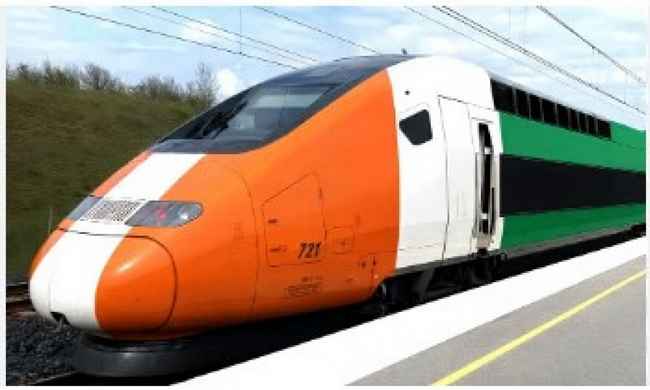
Ivory Coast is on the verge of joining Morocco as Africa’s second nation to operate a high-speed rail network. The government has greenlit plans for a TGV line connecting Abidjan, the economic hub, to Yamoussoukro, the political capital established by former President Félix Houphouët-Boigny. This ambitious project aims to slash travel time between the two cities from nearly three hours by road to just 45 minutes.
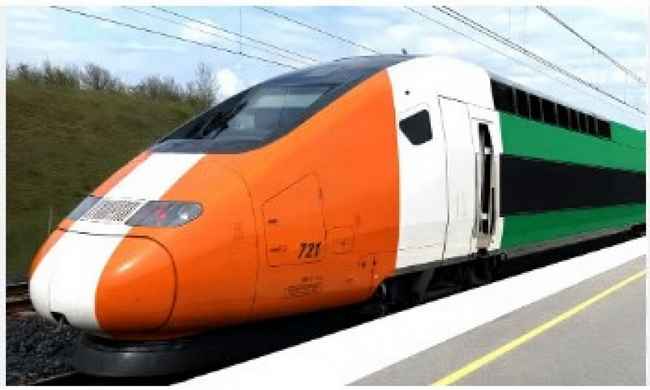
The proposed 640-kilometer route doesn’t stop at Yamoussoukro. It will extend further north, serving major cities like Bouaké, the country’s second-largest urban center, followed by Korhogo and Ferkessédougou. This expansion could redefine regional connectivity and economic integration across Ivory Coast.
Before construction begins, authorities will conduct thorough feasibility and funding studies. Beyond speed and efficiency, the project aligns with broader national goals: reducing congestion in Abidjan, where housing costs are steep, and enhancing Yamoussoukro’s appeal as a sustainable alternative. Some observers also speculate that the TGV could bolster Ivory Coast’s bid to host the 2038 FIFA World Cup, though competition remains fierce given Morocco’s confirmed hosting role in 2030.
Driving economic growth through next-gen infrastructure
This high-speed rail initiative is part of a sweeping $175 billion economic growth plan spearheaded by Prime Minister Robert Beugré Mambé. The strategy, outlined in the 2026–2030 National Development Program, includes several transformative projects: a new metro system for Abidjan slated for 2029, expanded highway networks totaling 1,000 kilometers, and the construction of two international airports in San Pedro and Bondoukou—located in the southwest and northeast, respectively. President Alassane Ouattara, in office since 2011, envisions these developments as pillars of Ivory Coast’s modernization, positioning the country as a model of progress in West Africa.
