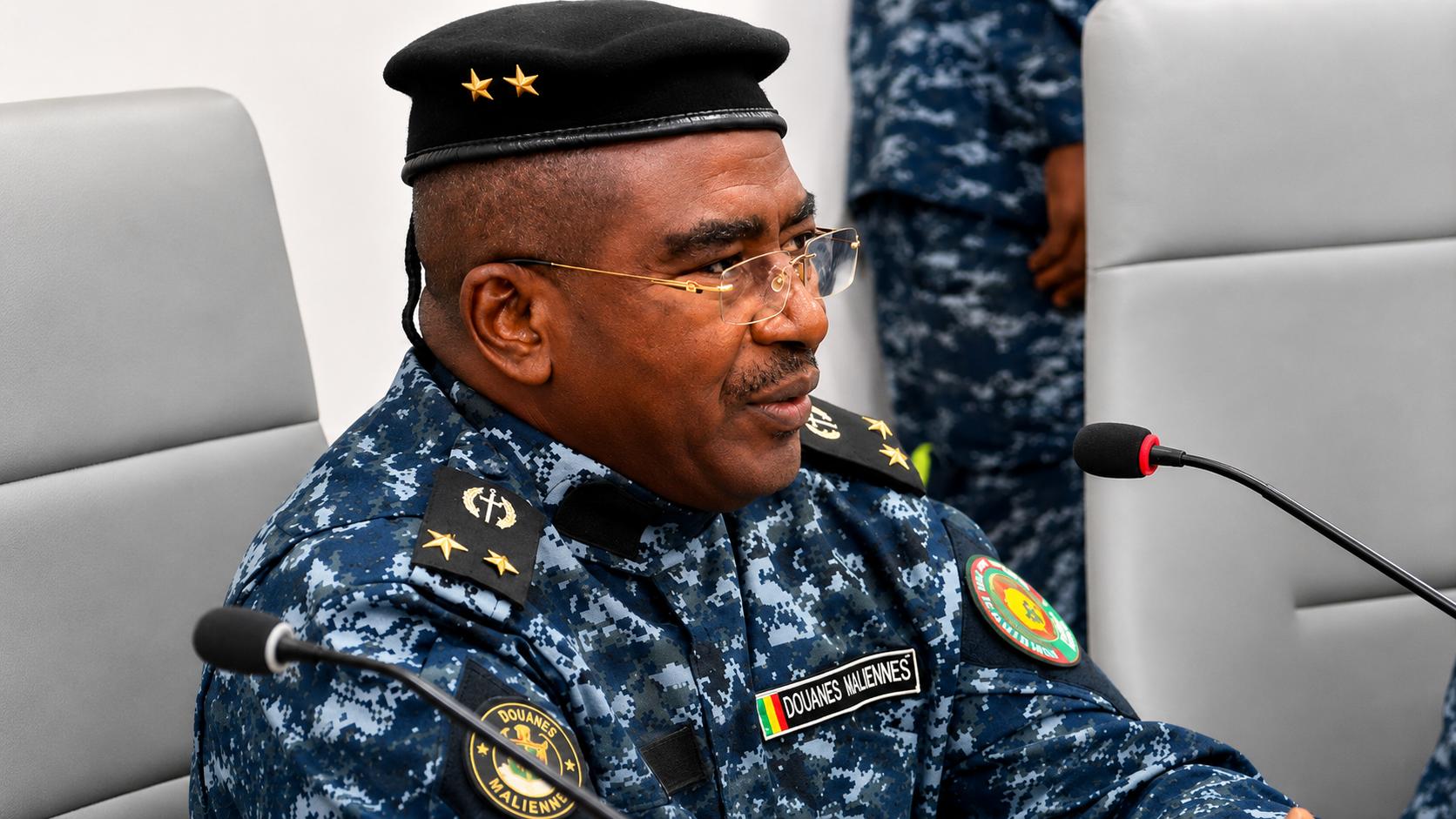
Inside look at Mali customs shake-up: loyalty vs expertise
In a nation where fiscal integrity and border security are matters of national sovereignty, the Mali Customs Directorate stands at the nexus of economic policy and political strategy. A recent wave of personnel reshuffles has sent ripples through the corridors of power, prompting sharp debate over the true motives behind the moves. Through a sharp analysis, journalist and commentator Fousseyni Sissoko challenges the official narrative, probing whether these changes represent a strategic overhaul or a calculated purge.
Official logic vs shadow motives: decoding the customs reshuffle
At first glance, the rationale seems sound. The Ministry of Finance and customs leadership frame the shake-up as a performance-driven restructuring. With Mali navigating a period of economic transition and heightened fiscal pressure from regional partners, injecting fresh leadership into border units and regional offices is framed as a way to sharpen anti-fraud measures and boost revenue collection. The stated goal? Enhance efficiency at key customs posts and clamp down on illicit trade flows—especially in high-stakes sectors like fuel and logistics corridors.
Yet Fousseyni Sissoko’s analysis goes deeper. He questions whether this is truly about efficiency, or whether it masks a subtler power play. In an institution where control over trade flows—particularly hydrocarbons and major transit routes—translates into real political leverage, the line between reform and repositioning can blur. When leadership positions are shuffled, is it about performance, or about shifting influence?
The specter of internal reckoning: a hidden purge?
The strength of Sissoko’s piece lies in its exposure of the unspoken tensions. By framing the question as a possible “settling of scores,” he draws attention to the timing and profile of certain departures. Are long-serving officials being sidelined not for incompetence, but for independence? Or worse, for ties to former networks of influence that no longer align with the current agenda?
In Mali’s current climate, control over key administrative posts is not just an economic issue—it is a matter of national security. Yet history shows that loyalty often trumps merit when leadership positions are reassigned. Sissoko’s piece forces readers to confront an uncomfortable truth: that in the world of Malian statecraft, political alignment can sometimes outweigh technical competence, even in institutions tasked with safeguarding the nation’s finances.
More than a tax machine: Mali’s customs in the crosshairs
Ultimately, the article by Fousseyni Sissoko serves as a necessary wake-up call. It reminds citizens, investors, and development partners that the Mali Customs Directorate is not just a bureaucratic engine for tax collection—it is a battleground where competing interests clash behind closed doors.
Whether one views the reshuffle as a painful but necessary reform or a politically driven reshaping of power, one thing is clear: the stakes could not be higher. The very credibility of Mali’s financial security apparatus hangs in the balance. And in a country where every franc counts, the cost of misplaced loyalty could be measured in more than just lost revenue—it could be measured in lost trust.
