Human rights violations in Mali: executions and forced disappearances of fulani civilians
Allegations of war crimes by Malian forces and Wagner group
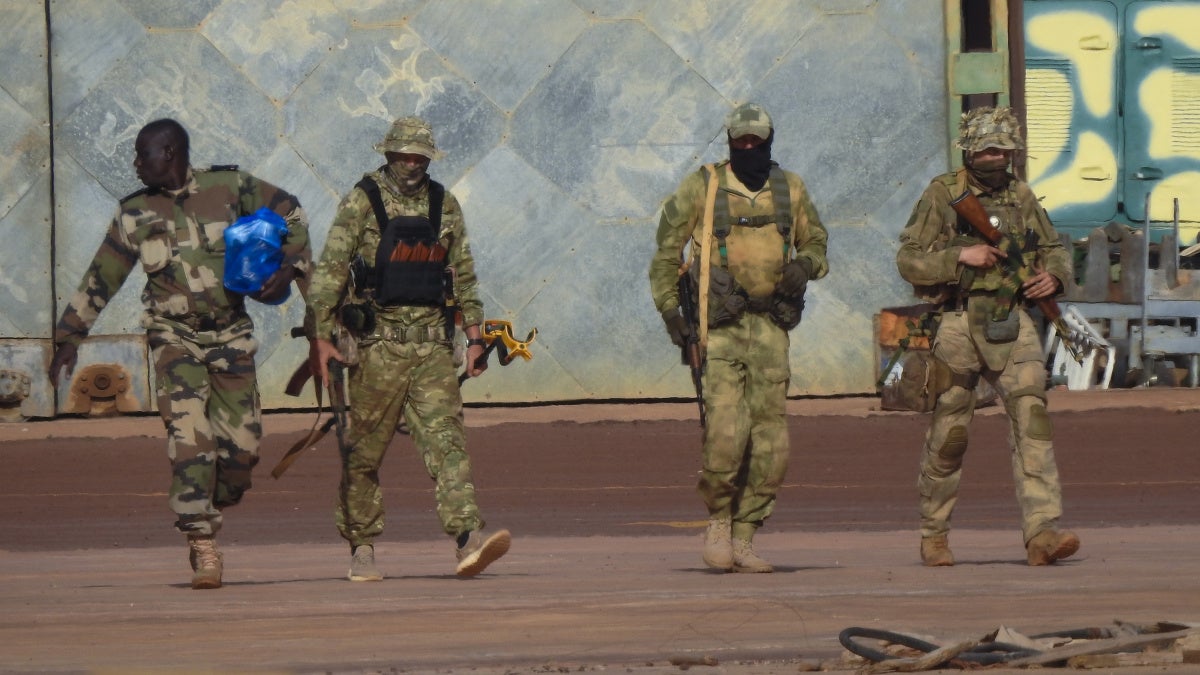
Since January 2025, the Malian armed forces and their Russian-backed Wagner allies have been implicated in dozens of summary executions and enforced disappearances targeting Fulani civilians. International observers and local testimonies accuse both forces of systematic human rights violations during counter-insurgency operations against Islamist armed groups.
Key incidents and testimonies
Human rights investigators have documented multiple atrocities:
- Sebabougou massacre (April 12, 2025): Joint Malian-Wagner forces arrested over 100 Fulani men, accusing them of collaborating with Islamist militants. At least 43 bodies were later discovered near a military base, with relatives identifying victims from a list of 65 missing men.
- Belidanédji killings (March 30, 2025): Soldiers and Wagner fighters executed six unarmed Fulani civilians after clashes with Islamist groups. Survivors described indiscriminate shootings and deliberate targeting of ethnic Fulani.
- Farana disappearances (March 26, 2025): Four Fulani men were beaten and abducted near a river, with witnesses reporting bloodstains and signs of torture. Their whereabouts remain unknown.
- Kourma abductions (March 19, 2025): Witnesses reported Russian-speaking fighters among Malian troops who rounded up 12 Fulani men, blindfolded and beat them before driving them away in trucks.
Firsthand accounts
«They shot my friend in the chest in front of me. When the soldiers left, we recovered five bodies and evacuated one wounded man, but he died later at the hospital.» – 47-year-old survivor from Belidanédji
«The blood was everywhere – it was like 10 cows had been slaughtered there. We found human flesh stuck to iron bars.» – Witness to Farana incident
International legal implications
The documented crimes violate several international treaties to which Mali is a signatory:
- Geneva Conventions’ Common Article 3 (prohibiting murder, torture, and cruel treatment)
- International Convention for the Protection of All Persons from Enforced Disappearances
- Rome Statute of the International Criminal Court (which Mali joined in 2013)
The African Union has been urged to increase pressure on Malian authorities to:
- Conduct transparent investigations into all allegations
- Bring perpetrators to justice regardless of affiliation
- Provide reparations to victims’ families
Broader context and warnings
These abuses occur amid Mali’s ongoing security crisis, where:
- Islamist groups like JNIM (linked to Al-Qaeda) and ISIS-Sahel continue attacks
- The Wagner Group announced its withdrawal in June 2025, though reports indicate replacement by Africa Corps, another Russian paramilitary unit
- Mali‘s withdrawal from ECOWAS in January 2025 has weakened regional accountability mechanisms
Human rights experts warn that senior Malian military leaders and their Russian counterparts may face future prosecution for war crimes, with the International Criminal Court already investigating crimes committed in Mali since 2012.
Ethnic targeting and impunity
Investigations reveal a pattern of ethnic profiling where Fulani civilians are systematically accused of supporting Islamist militants. This has created a dangerous stigma affecting an entire ethnic community. Survivors report being targeted simply for their ethnic identity, with no evidence of actual militant ties.
The complete absence of official responses to multiple human rights organizations’ inquiries raises serious concerns about Mali‘s commitment to accountability and the protection of civilians in conflict zones.
