
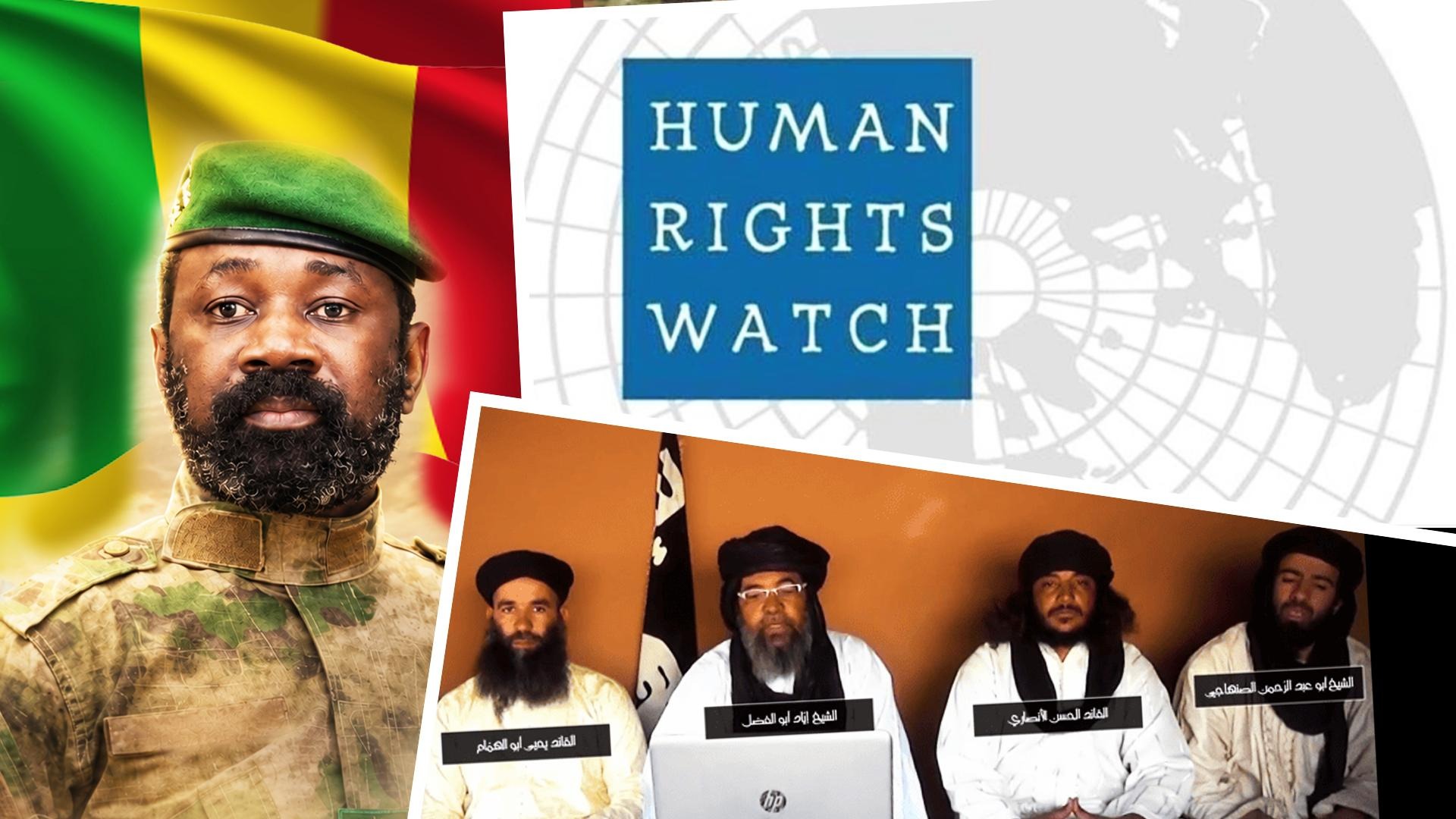
Violence spirals in Mali as counter-insurgency tactics intensify
Following the dramatic takeover of Kidal on April 25, 2026, a new phase of brutal conflict has engulfed Mali. The fall of the northern stronghold, executed in tandem by the Group for the Support of Islam and Muslims (JNIM) and the Azawad Liberation Front (FLA), triggered a sweeping military response led by the Malian Armed Forces (FAMa) with support from Russian instructors under Africa Corps. While Bamako remains tight-lipped about civilian casualties, field reports indicate at least 13 deaths and 25 injuries during the initial clashes in Gao and Kidal alone.
Fueling instability: economic warfare as a weapon
The JNIM has systematically shifted its strategy from conventional combat to economic sabotage, targeting Mali’s lifelines to squeeze the central government. Since May 6, insurgents have intercepted and torched over 40 civilian transport vehicles heading toward Bamako. The deliberate targeting of fuel tankers—documented since September 2025—has crippled distribution networks, plunging entire regions into darkness and paralyzing local economies. Schools close, markets shut down, and families face prolonged hardship as fuel shortages and surging inflation take hold.
Public executions, such as the killing of a civilian in Tonka near Tombouctou, serve as grim warnings to deter resistance, further deepening fear among communities caught in the crossfire.
Civilian toll mounts amid indiscriminate strikes
The FAMa and Africa Corps’ counter-offensive has not spared non-combatants. Investigations reveal systematic abuses during security operations, particularly in central Mali, where Fulani communities are routinely conflated with insurgent factions. Between May 14 and 17, documented incidents resulted in 38 civilian deaths, including 23 children. Airstrikes have added to the carnage:
- Guimbé (April 25): A drone strike claimed the lives of 12 children and teenagers.
- Téné (May 17): A wedding ceremony was struck, killing 10 civilians.
Both the JNIM and Malian authorities have provided no credible justification for these losses. The armed group claims civilians targeted were defying its local decrees, while Bamako has remained silent on the matter, failing to address inquiries or allow independent verification.
International scrutiny and calls for accountability
With violations of international humanitarian law mounting, the absence of oversight—particularly after the withdrawal of the UN peacekeeping mission—has created a climate of impunity. Analysts warn this unchecked brutality risks normalizing atrocities and prolonging the crisis. Human rights advocates are urging the African Union and United Nations to urgently deploy an independent fact-finding mission. Such an initiative would gather critical evidence to support future prosecutions and restore accountability in a country teetering on the edge of collapse.