
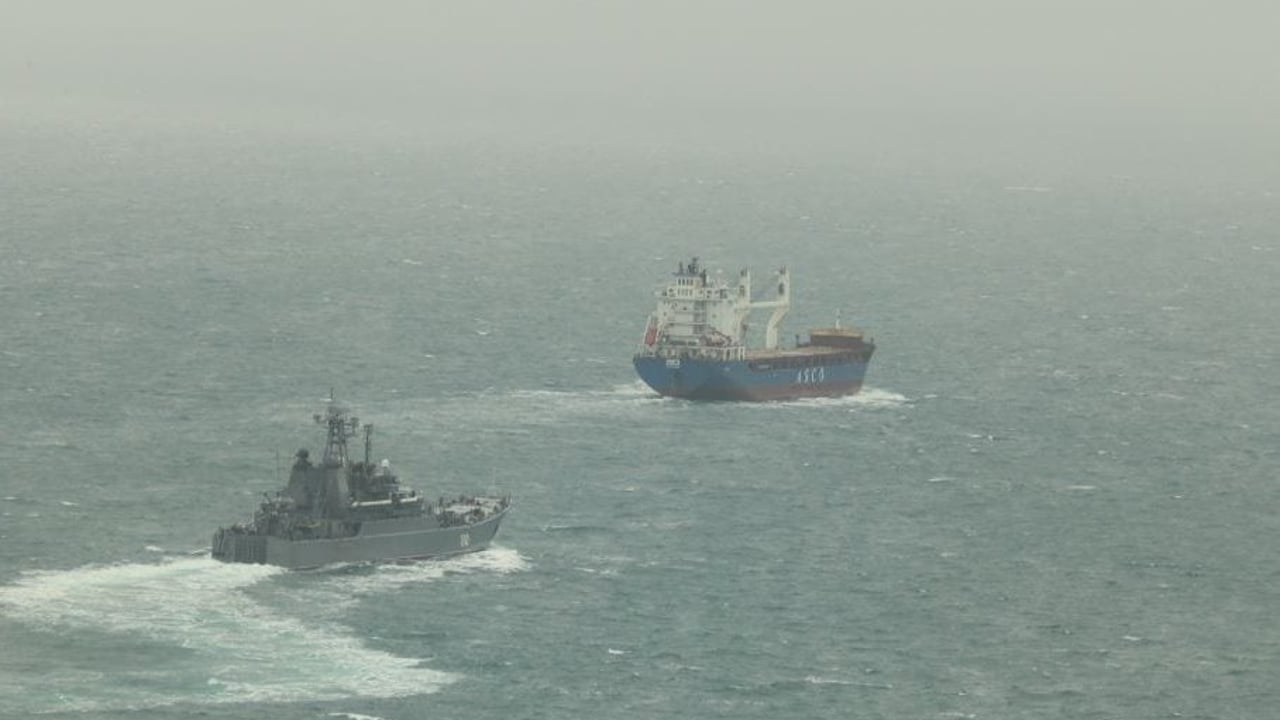
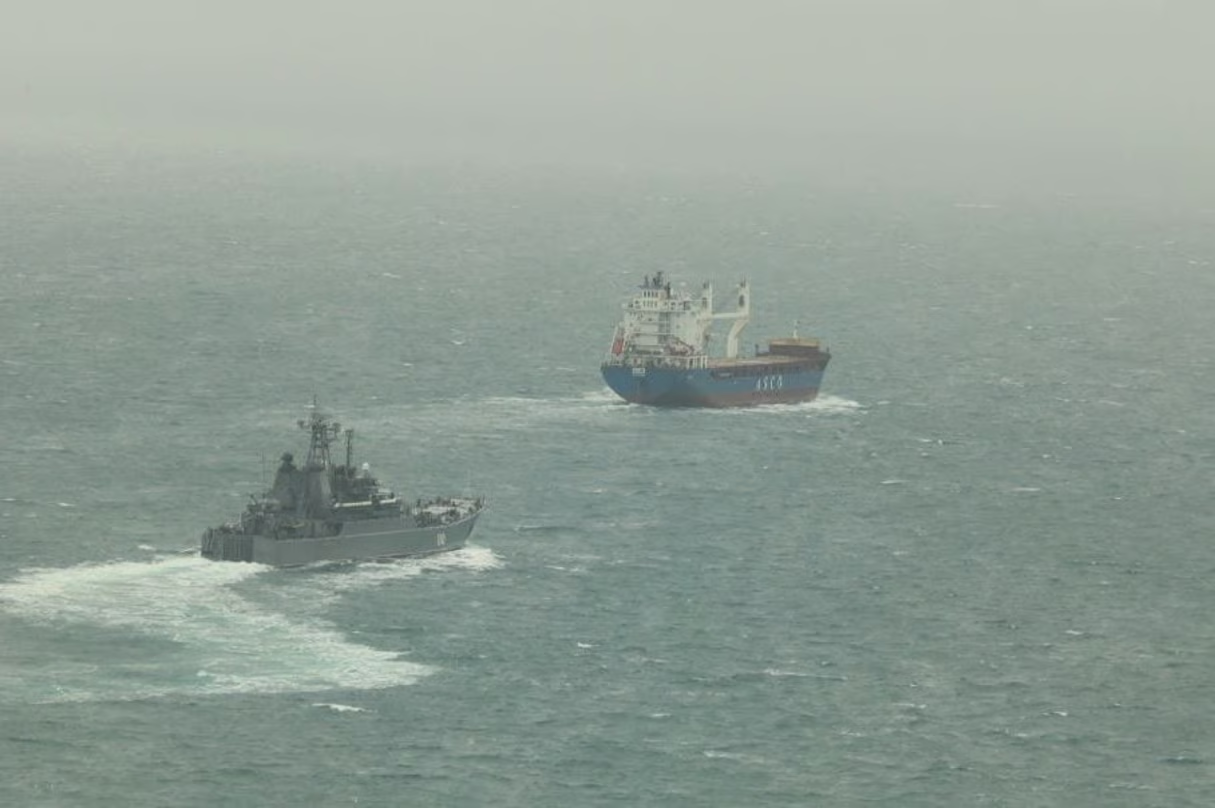
The strategic port of Conakry, Guinea’s capital, has emerged as a critical transit hub for Russian military shipments destined for Mali. Investigations reveal how cargo vessels, including the Sabetta, have been intercepted in European waters while carrying weapons and equipment under questionable registrations.
These shipments, often rerouted through West African corridors, highlight the expanding footprint of Russian-backed groups in the Sahel. The cargo ship Sabetta, spotted in the English Channel in March 2026, was reportedly transporting military-grade supplies bound for Bamako, Mali’s capital.
a gateway for arms transfers
Conakry’s port has long served as a regional trade nexus, but recent intelligence suggests it is now being exploited for illicit arms trafficking. The involvement of Russian-linked entities, including the so-called Africa Corps, points to a deliberate strategy to bypass international sanctions and supply military hardware to Malian forces.
Evidence points to coordinated logistics operations, with cargo ships departing from Russian ports, transiting through Guinea, and ultimately reaching Mali. The Sabetta incident underscores the sophistication of these smuggling networks, which leverage neutral jurisdictions to obscure their final destinations.
regional implications
The surge in Russian arms shipments to Mali raises concerns among neighboring countries and international observers. The Africa Corps, a shadowy group linked to Moscow, has intensified its presence in the Sahel, allegedly providing training and equipment to Malian security forces.
Guinea’s role in this supply chain has drawn scrutiny, particularly as Conakry navigates its own political transitions. The port’s strategic location makes it an attractive option for clandestine operations, complicating efforts to monitor and regulate arms flows.
economic and political fallout
The influx of Russian military supplies into Mali has significant geopolitical ramifications. As Bamako strengthens ties with Moscow, Western nations have expressed concerns over the growing influence of Russian-backed groups in the region.
Local analysts warn that the unchecked flow of weapons through Conakry could destabilize an already fragile security landscape. The lack of transparency in these transactions further exacerbates tensions, fueling speculation about the true beneficiaries of these arms deals.
As the situation evolves, regional stakeholders are calling for stricter oversight of maritime traffic and cargo inspections. The Sabetta incident serves as a stark reminder of the challenges in curbing illicit arms trafficking in West Africa.