Aïssatou Diop Fall faces legal challenges in Senegal over Ousmane Sonko remarks
Aïssatou Diop Fall faces legal challenges in Senegal over Ousmane Sonko remarks
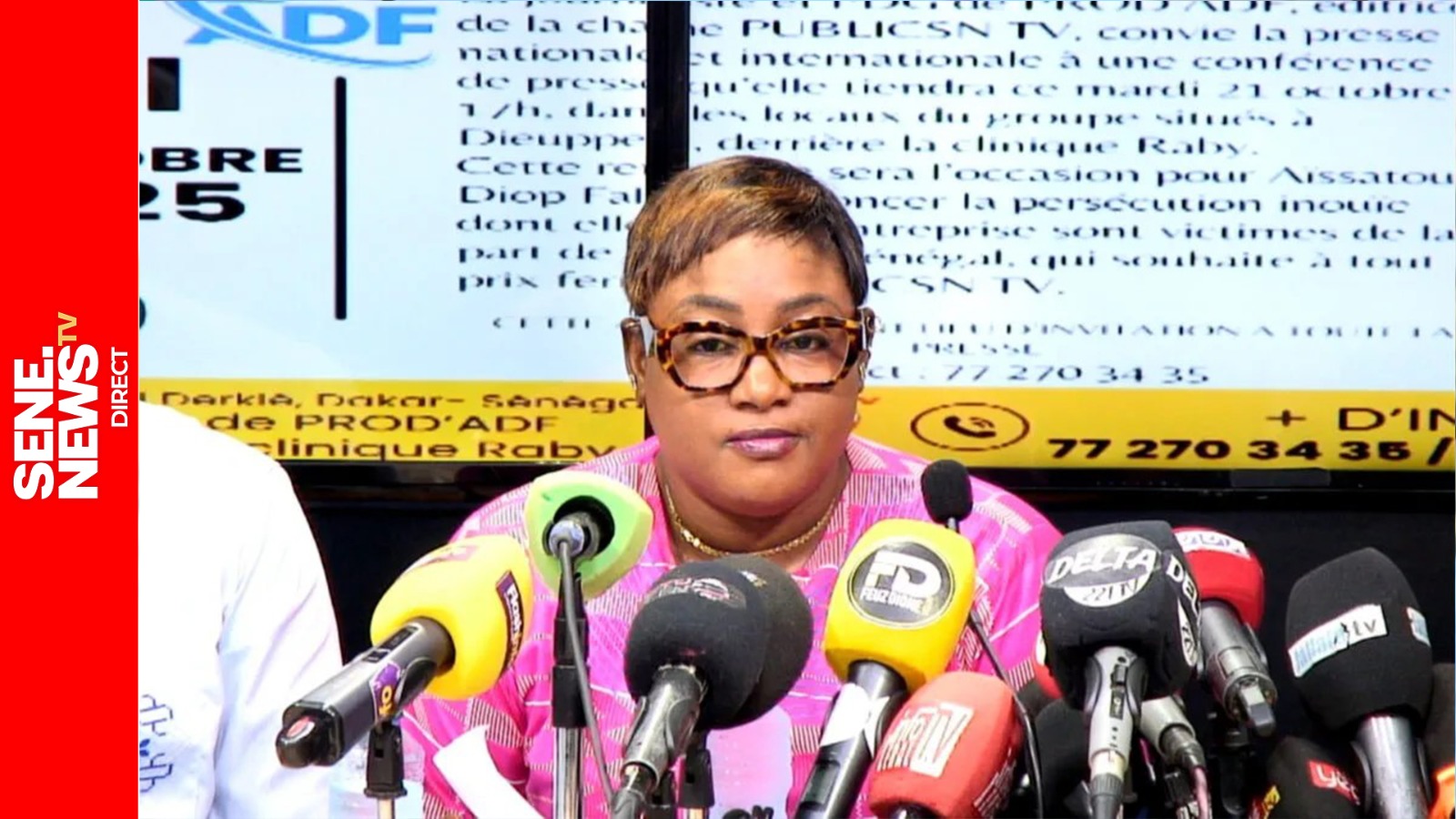
Aïssatou Diop Fall, a prominent journalist and television channel director, has been summoned by Senegal’s Special Cybersecurity Division (DSC) following contentious comments made about political figure Ousmane Sonko. Despite her subsequent public apologies, she now confronts significant legal repercussions stemming from her statements disseminated across social media platforms.
This Tuesday, the national police’s Special Cybersecurity Division (DSC) issued a summons for journalist and media executive Aïssatou Diop Fall. This official hearing was initiated after the Public Prosecutor at the High Court of Dakar self-referred the case.
The convocation directly relates to remarks made by Diop Fall in a video, where she reportedly expressed a desire for Pastef leader Ousmane Sonko to be kidnapped by terrorists. These declarations ignited a fierce controversy across social networks and within various public circles in Senegal.
In response to the widespread outcry, Aïssatou Diop Fall released a new video, offering her apologies. Nevertheless, Public Prosecutor Ibrahima Ndoye proceeded to order her appearance before cybersecurity investigators. In Senegal, such public statements, especially when broadcast via the internet or social media, can constitute several offenses under the Penal Code and cybercrime legislation.
Under existing legal frameworks, potential charges could include: incitement to violence or criminal acts, dissemination of content likely to disturb public order, or even direct or indirect threats against an individual’s integrity. Furthermore, according to the cybersecurity law, circulating content deemed dangerous or provocative on digital platforms can lead to prosecution, even if no actual action results from the inciting words.
The penalties for such offenses can vary significantly depending on how the prosecution chooses to qualify the acts. Sanctions typically range from fines to imprisonment, potentially extending to several years for the most severe cases involving incitement to violence or public threats. The final determination, however, will rest on the assessment made by DSC investigators and the prosecutor following the journalist’s hearing and a thorough analysis of the incriminating content.
