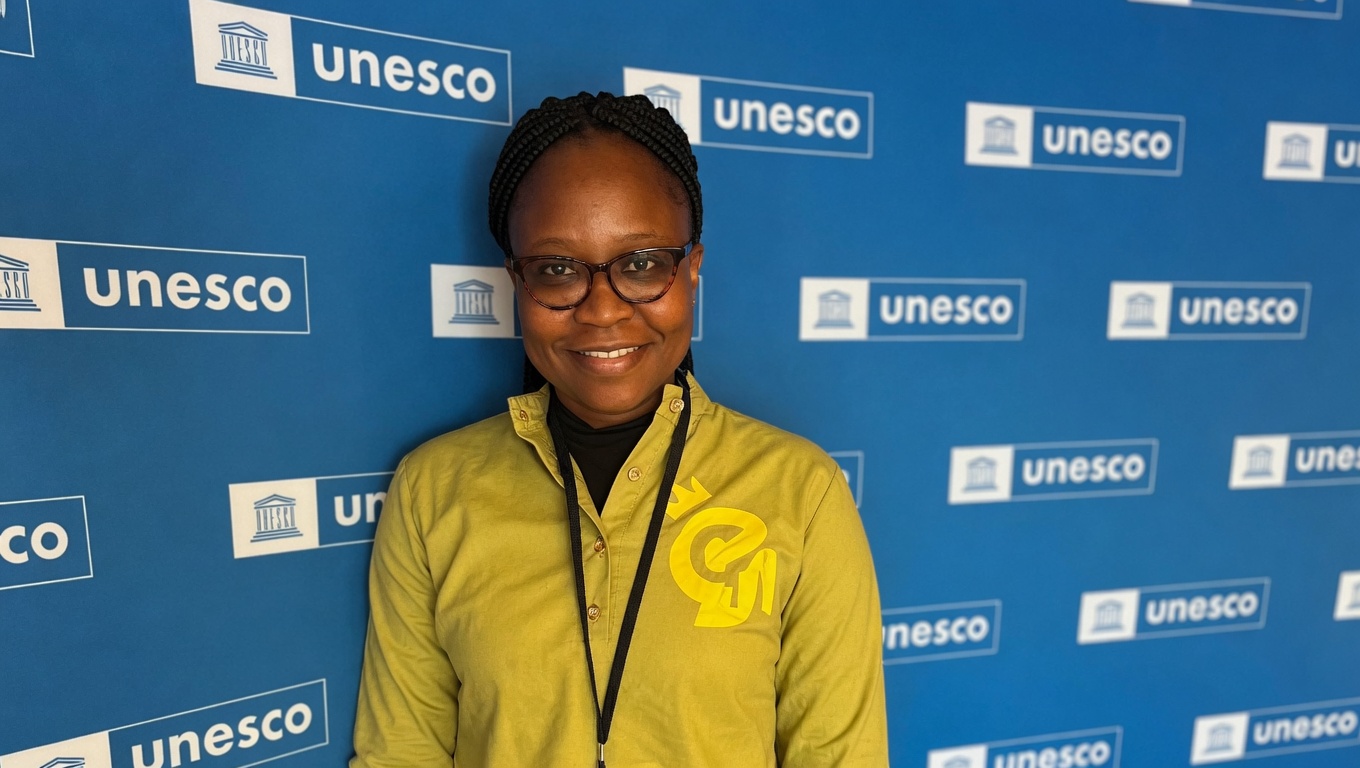
How AI is revolutionizing water purification in Bénin
In the bustling coastal city of Cotonou, a groundbreaking initiative is reshaping how communities address water pollution. At the heart of this innovation is SSaFE, a startup led by chemist Marielle Agbahoungbata, which has developed Watt Air, an artificial intelligence-powered filtration robot designed to reclaim polluted water with unprecedented efficiency.
From contaminated sources to crystal-clear solutions
Unlike conventional filtration systems, Watt Air operates as a self-learning unit, capable of assessing water quality and determining the most effective treatment method. Whether the water is laden with industrial runoff, agricultural chemicals, or microbial contaminants, the AI evaluates the pollution level and selects the precise chemical reagents required for purification. This targeted approach eliminates guesswork, ensuring that every liter of treated water meets safety standards without unnecessary waste.
« The beauty of this system lies in its adaptability, » Agbahoungbata explains. « It doesn’t just filter—it intelligently decides how the water should be reused, whether for drinking, irrigation, or household chores. » In a region grappling with water scarcity and rising treatment costs, such precision is transformative.
Bridging technology and tradition
The brilliance of Watt Air extends beyond its technical prowess. Recognizing that literacy rates vary widely across rural Bénin, SSaFE has embedded a voice-assisted interface that communicates in local languages, including Fon, Bambara, and Wolof. This feature ensures that even those with limited formal education can operate the device—a mother in a remote village can instruct the robot to recycle laundry water without ever picking up a textbook.
« Technology should never be a barrier, » Agbahoungbata emphasizes. « Our goal is to democratize access to clean water, ensuring that no one is left behind due to language or education. » The AI adapts to the user, not the other way around, making sustainable water management achievable for all.
Sèmè City: where local ingenuity thrives
The development of Watt Air is a testament to the collaborative ecosystem at Sèmè City, Cotonou’s innovation hub. Here, mathematicians, chemists, and engineers converge to tackle pressing local challenges. Thierry d’Almeida, director of the research institute at Sèmè City, highlights the synergy: « The most effective solutions emerge when disciplines intersect. This project proves that Africa’s water crisis can be addressed with homegrown expertise. »
Supported by a $30,000 grant from UNESCO, Watt Air exemplifies how global funding can fuel grassroots innovation. The project’s roots in Bénin’s soil ensure it addresses real-world needs with cultural and contextual relevance.
From prototype to household necessity by 2027
While Watt Air remains in its prototype phase, SSaFE is actively seeking partnerships and funding to scale the technology. The timeline for mass adoption is set for 2027, pending further testing and regulatory approvals. For now, the startup is refining the system’s reliability and exploring cost-effective manufacturing methods to make it accessible to low-income communities.
The bigger picture: Agbahoungbata’s vision transcends technical innovation. « Clean water is a basic human right, » she asserts. « Our technology isn’t just about purifying water—it’s about empowering people, saving time, and safeguarding health without excluding anyone. » As Bénin and other nations grapple with environmental pressures, solutions like Watt Air offer a beacon of hope—where AI meets humanity, and every drop counts.
