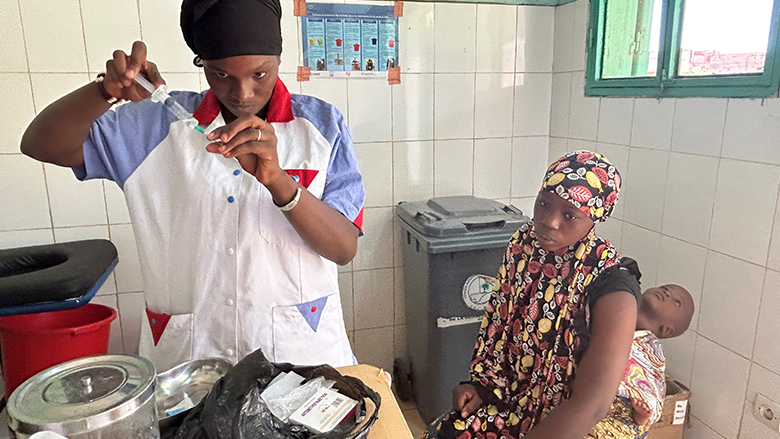
Healthcare systems in Sahel’s vulnerable communities improving access
Key achievements in health system strengthening
Between 2018 and 2024, significant progress was made in expanding and enhancing healthcare services across vulnerable Sahel regions. Here’s a closer look at the most impactful results:
Expanded and enhanced primary healthcare
Broader access to essential services: In Mali and Mauritania, over 5 million people—half of them women—gained access to basic healthcare, surpassing the initial target of 3.65 million. Health centers in targeted areas saw marked improvements in care quality through upgraded equipment, staff training, and better patient management.
Maternal and child health milestones: In conflict-affected zones of Mali, the percentage of pregnant women attending essential prenatal visits tripled from 13% to 38%. In Mauritania, 160,000 deliveries were supported by skilled personnel—20% more than planned. Additionally, Mauritania vaccinated over 200,000 children under five (three times the original goal) and provided nearly 5 million pediatric consultations.
Pediatric care breakthroughs: Mali delivered 1.17 million consultations for children under five, treating common illnesses like malaria, respiratory infections, and diarrhea. Mauritania’s efforts extended to nutrition support, benefiting 750,000 women and children to combat malnutrition.
Targeted support for vulnerable groups
Free healthcare for the underserved: By project completion, 460,000 vulnerable individuals in Mali received free essential health services. In Mauritania, over a million free services were provided to vulnerable populations, including refugees. Financial aid reached 81% of targeted low-income households to further ease healthcare access.
Family planning progress: Mali saw a near threefold increase in contraceptive use among adolescents, rising from 5.8% to 15.3%. Mauritania’s modern contraception uptake skyrocketed from 9,000 to over 240,000 users—far exceeding expectations.
These advancements highlight the transformative impact of targeted health interventions in strengthening Sahel communities.
