Geopolitical fallout: the leaked recordings of kémi séba and the sahel’s watergate
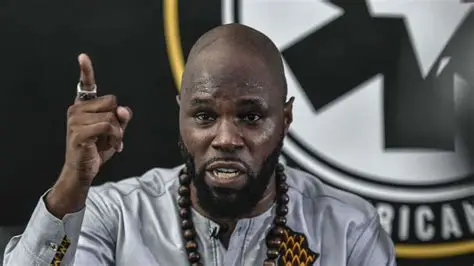
A recently circulated audio recording has sent shockwaves through diplomatic circles, acting as a catalyst for what many are calling the “Watergate of the Sahel.” In a candid and cynical exchange lasting only a few minutes, Kémi Séba appears to dismantle the very persona he spent years cultivating. The activist’s own words reveal a stark contrast between his public persona and a private reality marked by disdain for the masses and allegiance to Moscow.
The leak offers a jarring glimpse behind the curtain of the activist movement. It portrays a world where activists view themselves as the masterminds behind the collapse of democracies, while military factions are accused of co-opting revolutionary movements for their own ends. What was presented as a “struggle for the people” is increasingly viewed as a service provided to the Kremlin, rewarded with luxury and elite status.
The luxury of Niamey amidst public hardship
One of the most striking revelations in the audio concerns the lifestyle of the movement’s leading figures. The recordings suggest that Kémi Séba and Nathalie Yamb are being housed and maintained in high-end hotels in Niamey at the state’s expense. This has sparked significant controversy, as it coincides with a period where the Nigerien population is grappling with severe international sanctions and rising insecurity.
By appointing these activists as “Special Advisors” or diplomatic envoys, General Tiani’s administration seems to prioritize an aggressive communication strategy over traditional statecraft. The objective appears to be the acquisition of influential voices to drown out the harsh realities on the ground with a curated narrative, effectively purchasing loyalty to amplify a specific agenda.
Targeting Benin: the export of regional instability
The audio further implicates Séba in efforts to destabilize the government of Patrice Talon in Benin, reportedly working alongside figures like Pascal Tigri. This confirms suspicions that the Alliance of Sahel States (AES) has shifted from a defensive posture to an offensive coalition. Rather than merely managing internal crises, the alliance is accused of actively seeking to topple neighboring democratic regimes, potentially creating a corridor of impunity across West Africa. The recordings suggest that fomenting unrest in Benin is a calculated strategic goal rather than an organic movement.
The shadow of Moscow: admissions of a proxy
Perhaps the most damaging aspect of the leak is Séba’s tacit admission that the AES serves Russian interests under the guise of African sovereignty. The manipulation of public sentiment via digital platforms is described as a calculated effort funded by the Kremlin. In this context, these influencers are portrayed not as genuine leaders, but as “proxy-trolls” who capitalize on the frustrations of African youth to secure personal privileges and legitimacy for military leaders.
A revolution under scrutiny
The analysis of these revelations suggests that the so-called “AES Revolution” may be an intellectual deception. By his own admission, Séba’s trajectory aligns more with that of a broker for a new form of imperialism than with the legacy of leaders like Thomas Sankara. While citizens in Burkina Faso, Mali, and Niger face the dangers of the front lines, their self-proclaimed defenders are allegedly negotiating diplomatic perks from air-conditioned suites.
Ultimately, the “sovereignty” being promoted appears to follow a script written elsewhere, delivered by speakers whose loyalty is tied to their compensation. The activist’s recent arrest in South Africa is seen by observers as the logical conclusion for an individual who may have blurred the lines between a liberation struggle and a foreign intelligence operation.
