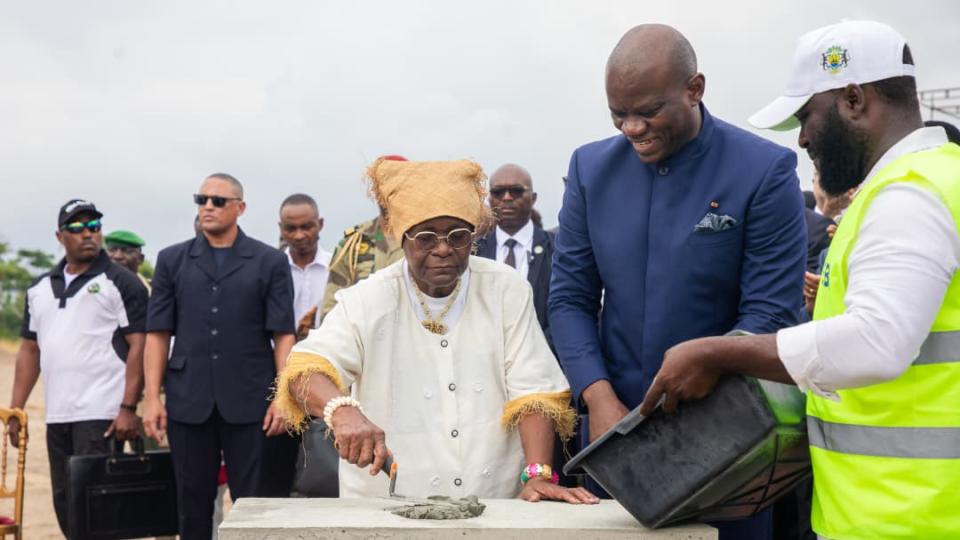
Gabon’s kobé-kobé mega-project: a bold leap beyond oil dependency
Gabon has launched one of its most ambitious infrastructure ventures in decades with the Kobé-Kobé deep-water port project, a cornerstone in the nation’s push to wean itself off oil dependence and embrace local value addition. Tied to the vast iron ore reserves of Belinga, a new railway line, and the upcoming Booué hydroelectric dam, this integrated industrial and logistics hub signals a strategic pivot toward diversified, resource-driven growth.
For decades, the Gabonese economy has relied heavily on petroleum exports. Now, authorities are steering the country toward a more resilient economic model. The Kobé-Kobé project isn’t just a port—it’s a full-fledged ecosystem designed to link inland mineral wealth with international markets while strengthening local industrial participation.
Located along the Atlantic coast in the Estuaire province, the deep-water port will boast a draft of 14 to 16 meters, enabling it to accommodate ultra-large vessels. This capacity is expected to significantly boost Gabon’s logistics competitiveness amid intensifying competition among Central African port hubs.
An integrated project at the heart of economic transformation
The Kobé-Kobé initiative is built around a fully integrated value chain. At its core lies the Belinga iron ore deposit, one of the world’s largest undeveloped mineral reserves.
To transport ore from inland to the coast, a new railway line will connect mining zones to the port. Complementing this is the Booué hydroelectric dam, slated to supply the energy needs of both the mining and industrial operations. This integrated approach aims not just to export raw materials, but to process them locally before shipment.
The strategic agreement signed between the Gabonese government and Africa Global Logistics (AGL) in mid-2026 marked a pivotal step in bringing this vision to life—creating a world-class logistics platform to fuel the country’s industrialization drive.
Up to 160,000 jobs on the horizon
Beyond infrastructure, the project’s social and economic impact is expected to be transformative. Estimates suggest the complex could generate up to 160,000 direct and indirect jobs throughout its development phases.
For a young Gabonese workforce facing persistent employment challenges, this represents a major opportunity. Jobs will span construction, logistics, industrial operations, rail transport, energy, and maintenance sectors.
The government’s goal is to catalyze broader economic growth by fostering local businesses that can participate in the supply chain, from mining to export.
A milestone in economic sovereignty
Beyond its economic dimensions, Kobé-Kobé carries deep symbolic weight. It embodies President Brice Clotaire Oligui Nguema’s vision of an economy anchored in the exploitation and mastery of national resources and critical infrastructure.
As African nations increasingly prioritize economic sovereignty, this multi-billion-dollar project—combining mining, energy, rail, and port infrastructure—could stand as a model of self-reliance. If timelines are met, Kobé-Kobé is poised to become a defining symbol of Gabon’s post-oil economic transition by 2030.
