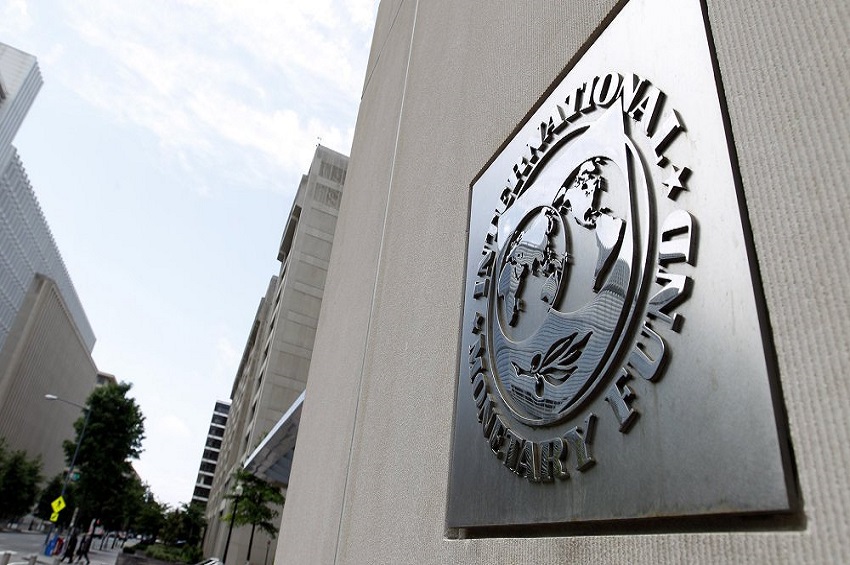
Gabonese president demands audit before imf deal
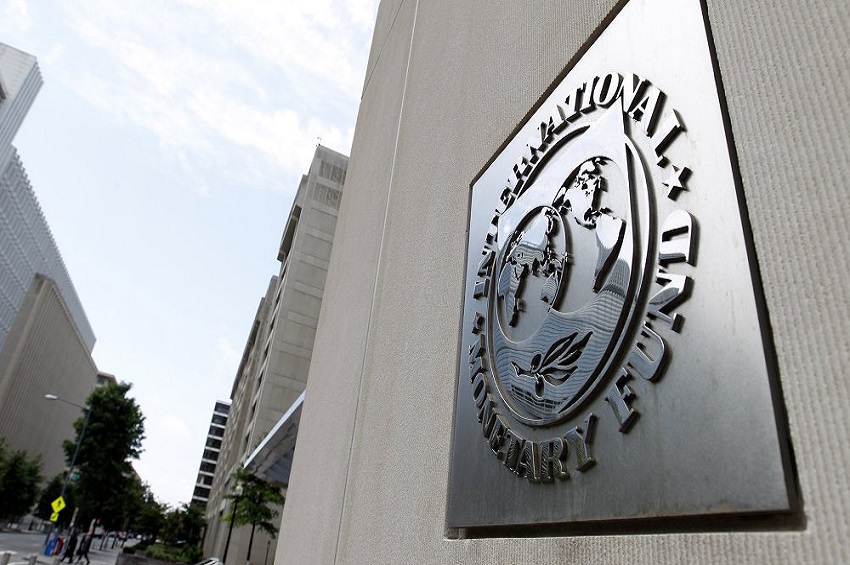
Libreville, Thursday, June 4, 2026 – For months, the prospect of a landmark agreement between Gabon and the International Monetary Fund (IMF) has been a constant topic within economic, diplomatic, and financial circles. Despite persistent rumors of an imminent signing, the official accord remained elusive.
President Brice Clotaire Oligui Nguema has finally shed light on the underlying reasons for this prolonged delay. Beyond the intricate technical negotiations with the Bretton Woods institution, a fundamental question has emerged: does Gabon truly grasp the full extent of its public debt?
The stakes are considerably high. For international investors, credit rating agencies, financial backers, and global markets, an IMF agreement represents far more than just a funding mechanism. It signals credibility, economic stability, and confidence in a nation’s financial direction. While the head of state confirmed that a signing is now anticipated by the close of 2026, indicating progress, his statements primarily underscored the persistent ambiguities stemming from decades of prior governance.
An audit: the foundation for trust
The President’s most significant disclosure concerns the actual level of the nation’s indebtedness. He revealed that the figures presented during the transitional period were inconsistent. An initial assessment indicated a debt of 7,500 billion CFA francs, while another valuation suggested a different amount, closer to 8,000 billion. Such a substantial discrepancy naturally raised serious concerns at the highest levels of government.
In response to this situation, President Brice Clotaire Oligui Nguema insisted on a comprehensive audit before committing to any arrangement with the IMF. His objective is straightforward: to ascertain the precise financial reality of Gabon before endorsing a program that will have long-term implications for the Gabonese state.
This proactive approach demonstrates a commitment to transparency, a quality not always prominent in African financial negotiations. However, it also prompts a deeper inquiry: how can an oil-producing nation find itself unable to provide an undisputed snapshot of its public debt?
The answer points to the management practices that characterized the years preceding the current administration. For several decades, Gabon’s public finances were frequently criticized for their lack of clarity, the proliferation of off-budget commitments, and inadequate control mechanisms. In this context, a thorough audit is not merely an option, but an absolute necessity.
The IMF confronts Gabon’s challenge
The Washington-based institution has acknowledged and accommodated this demand for clarification. President Oligui Nguema stated that the International Monetary Fund agreed to postpone the conclusion of the program to allow for the completion of this audit. This decision reflects a pragmatic logic: the IMF itself requires an accurate assessment of the true financial landscape before deploying its resources.
This verification phase is particularly critical given that Gabon remains one of the most strategically important economies within the CEMAC zone. Its economic influence, rich oil and mineral resources, and pivotal role in regional financial equilibrium position it as a central player in sub-regional stability.
Current discussions extend beyond mere financial aspects to encompass budgetary transparency and future reforms. An IMF program is never solely about funding; it typically entails commitments related to governance, fiscal management, revenue mobilization, and the careful control of public expenditures.
Anticipated signature, inevitable reforms
The announcement of a potential signing by year-end marks a significant milestone, yet it is not the culmination of the entire process. Observers understand that an IMF program often introduces structural reforms whose effects are directly felt by the populace. Measures frequently recommended include rationalization of public spending, tax reform, enhanced revenue collection, reorganization of certain subsidy policies, and modernization of financial administration.
The President refrained from detailing the exact nature of the forthcoming agreement or the potential scale of resources to be mobilized. This caution is understandable, as negotiations are ongoing and final decisions have not yet been reached.
Nevertheless, the true imperative now transcends the sole question of financing. Gabon is striving to rebuild its financial credibility after a period of considerable uncertainty. For international partners, the audit requested by Libreville could signify the inaugural step in a new culture of economic governance founded on transparency and accountability.
From this perspective, the delay in the agreement is not a setback. Instead, it could represent the essential cost of forging a durable relationship of trust between the Gabonese state, financial markets, and international institutions. In the realm of public finance, trust is not decreed; it is meticulously constructed, primarily upon the bedrock of verifiable figures.
