
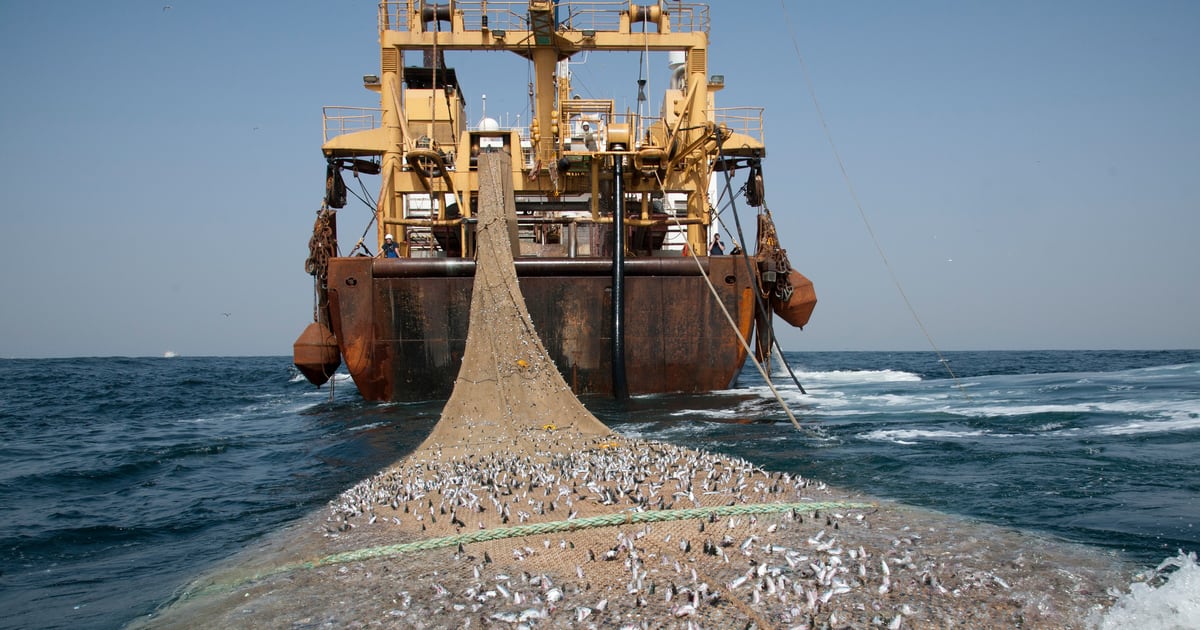
Gabon’s government has officially moved to terminate its long-standing fishing partnership with the European Union, citing a fundamentally unbalanced agreement that fails to meet the country’s economic and ecological needs. In a statement last month, officials confirmed President Brice Oligui Nguema’s decision to initiate a unilateral withdrawal process, marking a turning point in the nation’s approach to maritime resource management.
Why Gabon is ending the EU fishing deal
The government has highlighted multiple flaws in the current Sustainable Fisheries Partnership Agreement (SFPA), originally signed in 2007. Key criticisms include:
- Undercompensated resource exploitation: The financial returns from the deal do not reflect the true value of fish catches, nor do they cover the costs of surveillance and enforcement borne by Gabon.
- Missed local economic opportunities: Despite the agreement’s estimated 26 million euro annual value, Gabon sees little benefit from job creation, skill development, or local fish processing.
- Environmental risks: Weak oversight has raised concerns about overfishing, with Gabon accusing the EU of lacking shared transparency and scientific monitoring mechanisms.
«The current framework prioritizes foreign fleets over Gabon’s long-term interests,» stated a government spokesperson. «We are committed to securing a deal that aligns with our development goals and protects our marine ecosystems.»
EU’s response: A push for renewal
The European Union has signaled its openness to renegotiating a modernized, mutually beneficial agreement. In an official response, EU representatives emphasized their willingness to collaborate on:
- A new-generation Sustainable Fisheries Partnership Agreement with balanced terms.
- A revised protocol aimed at promoting sustainable practices and local value addition.
- Enhanced cooperation on scientific research and fisheries management.
The existing deal, last renewed in 2021 for another five years, has been a cornerstone of Gabon’s maritime policy. However, officials argue that its terms no longer reflect the country’s evolving priorities, particularly in sustainable development and economic sovereignty.
With negotiations now underway, Gabon’s government is determined to secure terms that prioritize its citizens, environment, and future generations.