
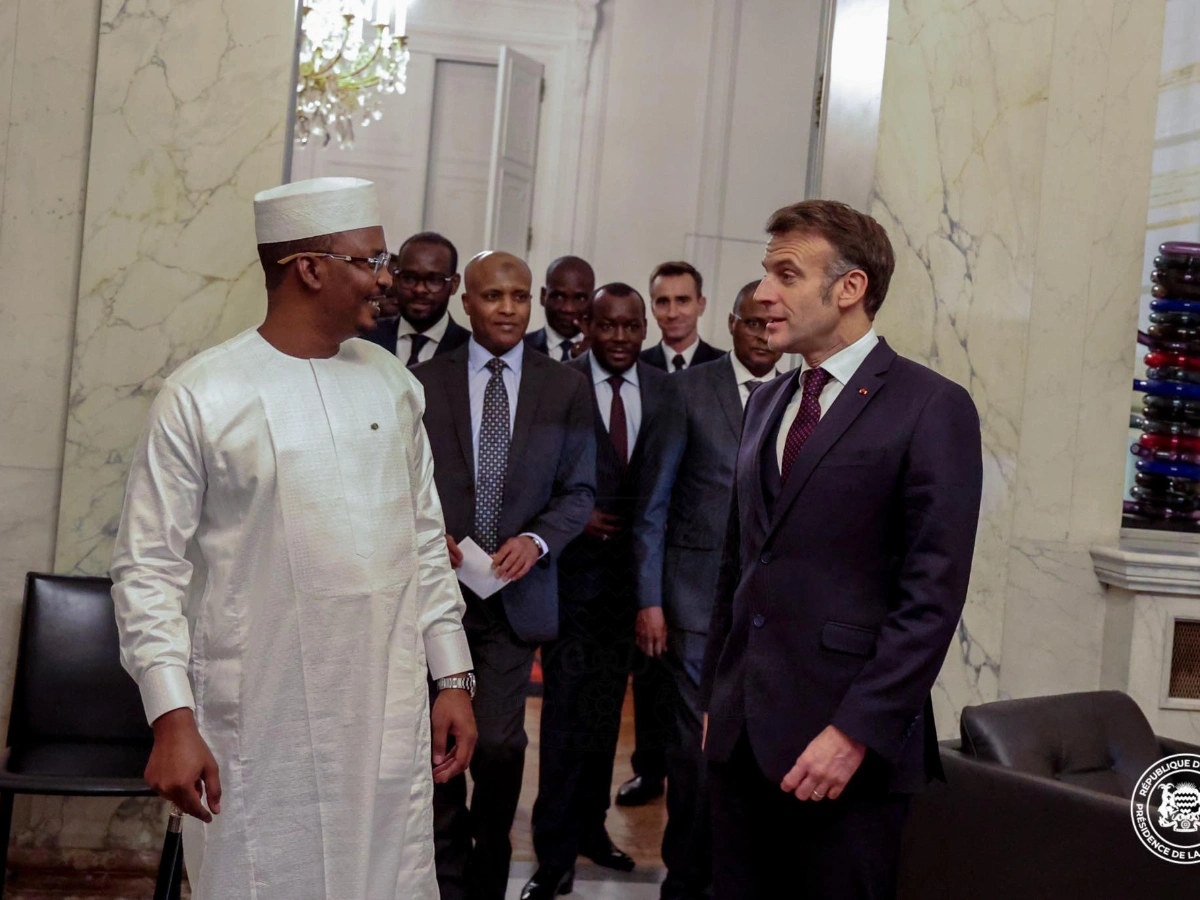
French military cooperation returns to Chad: assessing Déby’s sovereignist stance
Chad’s strategic partnership with France reemerges amid questions about national sovereignty and political credibility.
The recent resumption of military cooperation between Chad and France has sparked intense debate about the implications for President Mahamat Idriss Déby Itno’s sovereignist credentials. While Paris denies plans for permanent troop redeployment, the reactivation of intelligence-sharing protocols raises concerns about its impact on Chad’s political discourse and national image.
Sovereignty vs. Strategic partnerships: a delicate balance
Following the withdrawal of French forces in 2024, President Déby framed the decision as a triumph of national sovereignty and a step toward strategic independence. His administration emphasized self-reliance and balanced international partnerships, aligning with the growing panafricanist movement in the region.
The return of French military cooperation—even in a limited capacity—risks undermining this narrative. Analysts point out that the decision to end the French military presence was justified by the lack of tangible results and sustained public pressure demanding the withdrawal of foreign troops. Reversing course could be perceived as a retreat from a key sovereign policy.
Regional credibility at stake
Over the past two years, Chad has positioned itself as a regional leader in security, diversifying partnerships and strengthening cooperation with neighboring countries. President Déby has also emerged as a key mediator in Sahel stabilization efforts.
However, renewed cooperation with France could weaken this image, suggesting that N’Djamena still relies on its former colonial power despite pro-autonomy rhetoric. The move may fuel perceptions that Chad has not fully achieved strategic independence.
Another critical factor is public sentiment. The withdrawal of French troops was widely celebrated as a sovereign achievement. Any rapprochement with Paris risks provoking discontent among citizens who view France’s presence as incompatible with national dignity.
France: from adversary to security partner?
The paradox lies in France’s shifting role. In recent years, Paris has been a vocal critic of Déby’s regime, applying diplomatic and judicial pressure. In 2024, French authorities launched investigations into allegations of embezzlement involving Déby and his family, including accusations related to luxury spending and asset freezing threats. These cases resurfaced in early 2026.
The resumption of military cooperation with a state that has repeatedly targeted Déby’s reputation raises questions about mutual trust. Additionally, France hosted a major gathering of the Chadian opposition in Nantes in late 2025, where political and armed factions coordinated efforts against the N’Djamena government. France also played a key role in the case of opposition leader Succès Masra, facilitating his medical evacuation and publicizing his situation in European institutions.
Security needs vs. political fallout
Chad faces escalating security threats along its borders and in the Lake Chad region. However, the political cost of renewed cooperation with France may outweigh the benefits. President Déby built his legitimacy on a discourse of sovereignty and rejection of foreign interference. Any return to military cooperation with France could erode this credibility and provide ammunition to political opponents.
As the debate intensifies, one question remains unanswered: how can Chad justify restoring ties with a partner that has openly opposed its government, hosted its opposition, and pursued legal actions against its leaders—only to now be hailed as essential to national security?