
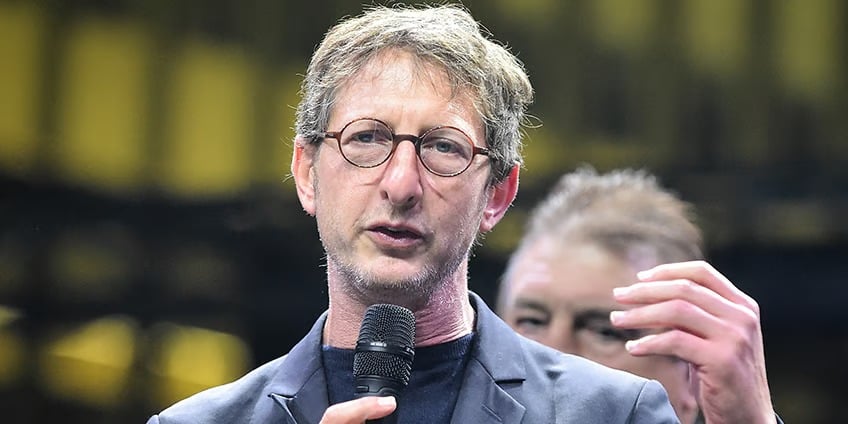
A bold statement from Paris Centre Mayor Ariel Weil has reignited fierce debates over LGBTQ+ rights in Senegal, drawing global attention to the country’s increasingly restrictive legal landscape. His impassioned op-ed, published amid the International Day Against Homophobia, sharply condemns the Senegalese government’s recent legislative moves and the growing climate of fear for sexual minorities in the West African nation.
a stark warning on lgbtq+ persecution
The French mayor’s public stance marks a rare direct intervention by a foreign politician into Senegal’s internal affairs, using urgent language to describe what he calls a “systematic persecution” of LGBTQ+ individuals. In his Têtu magazine feature, Weil frames the issue not merely as a cultural or moral debate but as a fundamental violation of human rights—one that demands an immediate international response.
Senegal’s evolving legal landscape
Weil’s critique centers on Senegal’s 2026 legal overhaul, which dramatically strengthened penalties for same-sex relations. The controversial amendments, passed by the National Assembly in March and later signed into law by the President, now impose prison sentences of up to a decade for LGBTQ+ individuals. Additional clauses target advocacy groups, criminalizing the promotion or funding of homosexuality-related activities.
The mayor argues that these measures contradict Senegal’s international human rights commitments, turning a blind eye to the unfolding crisis. He urges global partners—particularly in diplomatic and aid spheres—to take a definitive stance, warning that silence would be interpreted as tacit approval of oppression.
diplomatic tensions and public fallout
The uncompromising tone of Weil’s statement has provoked swift reactions, with critics questioning the appropriateness of foreign interference in sovereign matters. By invoking phrases like “civilizational regression” and “systematic hunting,” the mayor’s rhetoric has amplified the divide between human rights advocacy and traditional diplomatic caution, setting the stage for broader geopolitical friction.