
Empowering Niger’s Youth Through Human Rights Education In Gaya
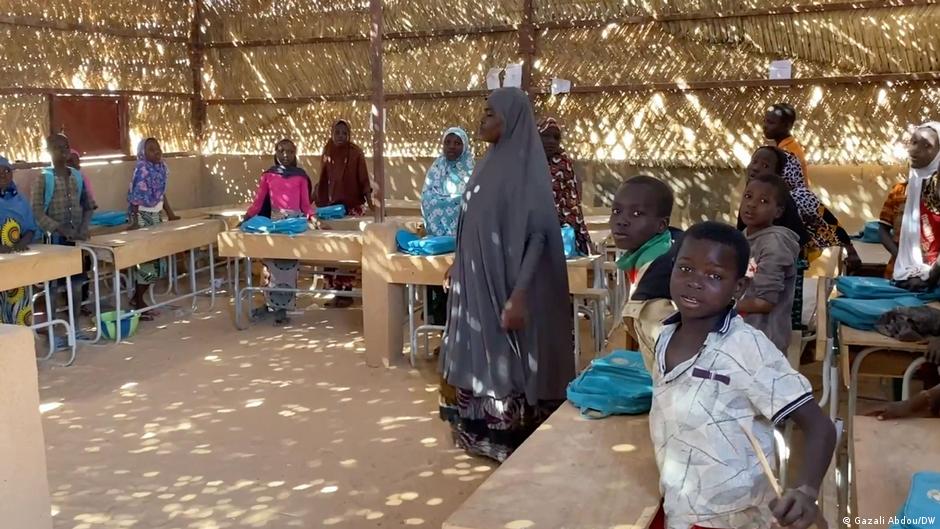
A school in Gaya, a town in south-western Niger, is breaking new ground by teaching children about their fundamental rights. This pioneering initiative coincides with the African Child Day, highlighting a critical shift in how young learners perceive their place in society.
Transforming Classroom Lessons Into Real-Life Awareness
The school bell rings, signaling the end of another lesson, but the discussion about human rights continues in the corridors of the Gaya mission school. Children aged 9 to 12 share their newfound understanding:
- “Before this class, I thought rights were only for adults—like driving or voting.”
- “Now I know we have the right to medical care and no one can harm us.”
- “We can speak up, and adults—parents and teachers—should listen. If we need something, we can explain it without getting scolded.”
The teacher, Aïssatou, notes a visible change in her students. “The moment the lesson ends, the conversation doesn’t stop. They’re eager to apply what they’ve learned. Students absorb and act on moral lessons like sponges.“>
Building Foundations For Future Responsible Citizens
The school employs the Competency-Based Approach (APC) to teach human rights. According to Omar, an educational advisor, “From kindergarten, children learn about their rights through stories, songs, and interactive activities. As they progress, civics and moral education take center stage. In primary school, moral lessons form the core of this education, planting the seeds of human rights awareness.”
Addressing The Gaps In Children’s Rights Education
Despite these efforts, not all children benefit from such structured learning. Some drop out early, missing the chance to grasp their rights. A striking example is an 11-year-old boy collecting plastic bottles on the streets. When asked about rights, he firmly stated: “Rights are only for adults.” This stark reality underscores the urgent need to extend human rights education beyond classroom walls.
Initiatives like these in Gaya are not just about teaching—they’re about nurturing a generation that knows its worth and demands it.