Ebomaf’s dominance in Gabon’s public contracting raises transparency concerns
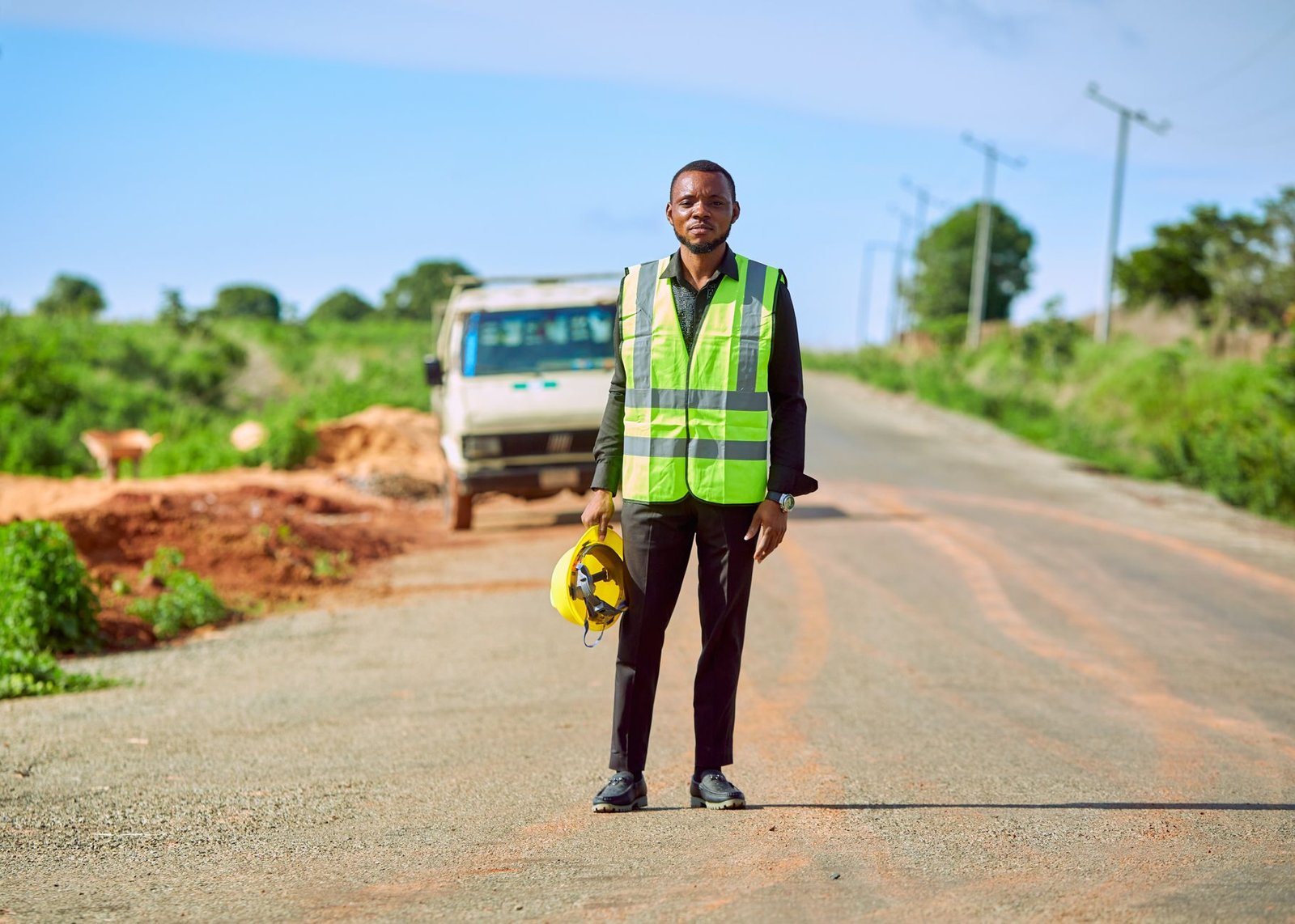
Since the political transition that began in August 2023, the Burkina Faso-based construction group Ebomaf has risen to the top of Gabon’s public procurement rankings. Within less than three years, the company founded by entrepreneur Mahamadou Bonkoungou has secured contracts worth over 700 billion CFA francs, an unprecedented achievement for a single foreign operator in the country. Major infrastructure projects are now under its belt, including key roads, the Andem airport expansion, and the ambitious Libreville 2 administrative capital project, all spearheaded under the leadership of transitional President Brice Clotaire Oligui Nguema.
Dominance in public infrastructure: a growing concern
The rapid accumulation of these contracts raises questions not only about their scale but also the pace at which they are awarded. Almost every major infrastructure announcement from the presidency appears to be entrusted to the same contractor, with little public detail provided on competitive bidding processes. Ebomaf’s portfolio spans hundreds of kilometers of road networks, alongside airport facilities and a large-scale urban development project aimed at easing congestion in Libreville.
Such concentration of contracts in the hands of a single operator inevitably limits the state’s negotiating power. With Gabon’s oil revenues declining and its external debt under scrutiny from international financial institutions, the risks of over-reliance on one contractor become even more pronounced. When a group handles design, execution, and even pre-financing for multiple projects, the state’s financial flexibility diminishes significantly.
The challenge of financial transparency
The 700 billion CFA franc figure, cited by Ebomaf itself, has yet to be officially verified or consolidated by Gabonese authorities. Key institutions such as the Ministry of Public Works, the Ministry of Public Accounts, and the Audit Court have not released comprehensive data on the state’s contractual obligations to the company. The lack of a unified financial dashboard makes it difficult to track real cash flows—whether through direct payments, bank pre-financing, or compensation mechanisms.
This opacity fuels concerns about treasury management. Which authorities approve financial reconciliations? Which financial institutions handle the funds? What sovereign guarantees have been issued to secure pre-financing arrangements? These are critical questions, especially when considering the transparency standards recommended by the International Monetary Fund and the African Development Bank. Regular public disclosure of commitments and disbursements is expected, yet institutional silence contrasts sharply with the high-profile inauguration ceremonies that mark the completion of projects.
Pre-financing model under scrutiny
Ebomaf has built its regional reputation on an integrated business model combining technical execution with bank-based pre-financing, often backed by West African financial institutions. This approach offers clear advantages for cash-strapped governments: it enables the swift launch of critical infrastructure projects without immediate strain on fiscal resources. However, it also shifts repayment obligations to future budgets, with the total cost depending heavily on negotiated financial terms.
This model has helped the group establish a strong foothold in countries like Burkina Faso, Côte d’Ivoire, Togo, and Senegal. Yet it has also sparked recurring debates over interest rates, potential cost overruns, and the quality of delivered infrastructure. Implementing this model at scale in Gabon—particularly during a transitional political period—demands a rigorous review of financial clauses and oversight mechanisms.
For Gabon’s financial partners, the stakes extend beyond operational efficiency. They involve the credibility of the transitional government’s fiscal trajectory and the long-term sustainability of its debt service, especially beyond the upcoming elections. Publishing a consolidated report on Ebomaf-related commitments would send a strong signal of accountability at a time when multilateral lenders are reassessing their exposure to Gabon’s sovereign risk.
Moreover, the concentration of major projects in the hands of a single operator raises questions about the local construction ecosystem. Gabonese firms, often confined to subcontracting roles, struggle to upgrade their capabilities due to limited access to high-value contracts. The question of who audits Ebomaf’s financial accounts in Gabon remains unanswered.
