
DRC adjusts 2026 humanitarian plan amid Ebola outbreak
- Health
The United Nations Office for the Coordination of Humanitarian Affairs (OCHA) in the Democratic Republic of the Congo (DRC) has revised the 2026 Humanitarian Response Plan (HRP) to address the worsening health and security crisis exacerbated by the 17th Ebola outbreak in the country.
With the Ituri province as the current epicenter of the epidemic, the revised plan now targets 10.8 million people out of the 18.5 million in need, up from the initial 7.3 million identified in January. The required funding has also increased to $2.13 billion, up from the original $1.4 billion appeal launched in Kinshasa on January 28, 2026.
This adjustment comes as the DRC faces multiple overlapping crises, including armed conflicts, natural disasters, and the Ebola outbreak, which has spread rapidly since its detection in early May 2026 in Bunia, Ituri province. The virus has since affected several health zones in Ituri, North Kivu, and South Kivu, with active transmission in areas such as Bunia, Rwampara, and Mongwalu.
Why the revision?
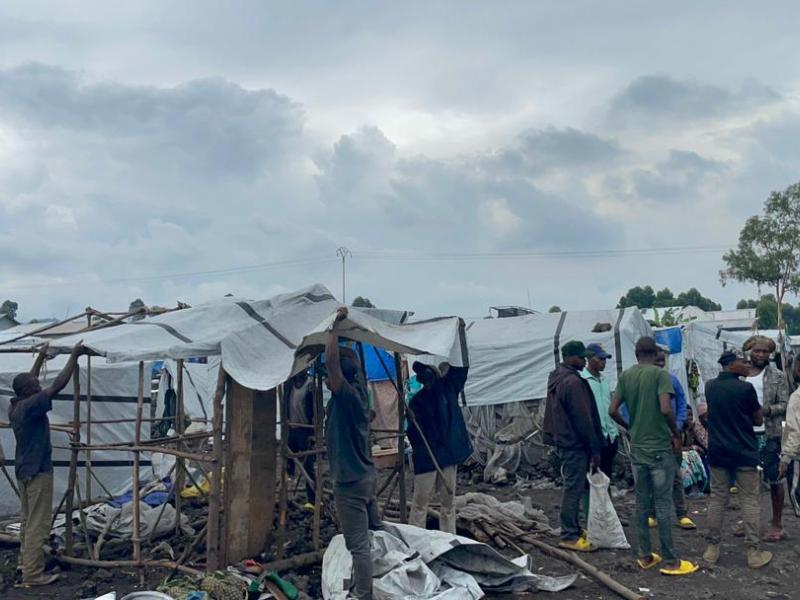
OCHA officials highlight that the Ebola outbreak has significantly compounded existing vulnerabilities, particularly in the eastern DRC, where insecurity and displacement are already widespread. The epidemic has not only increased humanitarian needs but has also disrupted response operations, making it necessary to reassess priorities and resource allocation.
The revised HRP reflects consultations with the Congolese government, which had called for a reorganization of priorities due to financial constraints and the escalating health crisis. The situation is further complicated by a 53.3% funding shortfall for the HRP, as reported by the UN Special Representative in the DRC, James Swan, during a June 26 briefing to the UN Security Council.
The international funding crisis, including the suspension of humanitarian aid by the United States, has left critical gaps in the response, particularly in the eastern regions where needs are most acute. The 2025 HRP, which required $2.54 billion, was already significantly underfunded, and the situation continues to deteriorate.
Broadening the crisis
Beyond Ebola, the DRC is grappling with a cholera resurgence, worsening food insecurity, and the impact of ongoing conflicts. According to OCHA, the Integrated Food Security Phase Classification (IPC) analysis conducted in March 2026 confirmed a sharp increase in acute food insecurity across several regions, further straining humanitarian resources.
The revised HRP aims to support 87 million people across the country, requiring a total of $23 billion in funding. While the United States has pledged a historic contribution, the international community is being urged to mobilize additional resources to prevent the crisis from deepening.