
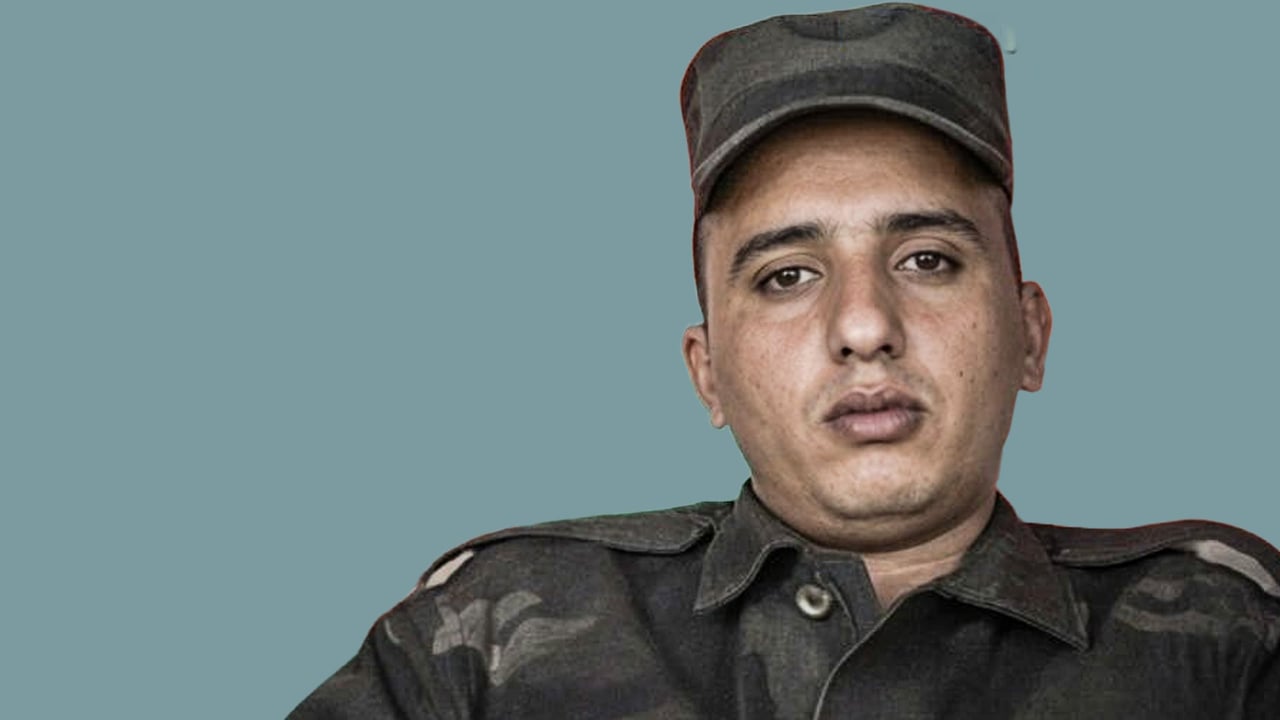
The recent passing of Lahbib Mohamed Abdelaziz, son of the late Polisario Front leader Mohamed Abdelaziz, has sent ripples through the delicate landscape of Sahara Occidental negotiations. His death, shrouded in both personal grief and geopolitical significance, raises pressing questions about the future of a dispute that has endured for decades.

An unexpected loss with far-reaching implications
The demise of Lahbib Mohamed Abdelaziz, a figure whose name carried weight in the corridors of Sahara Occidental diplomacy, has reshaped the dynamics of a conflict already marked by deep divisions. His father, Mohamed Abdelaziz, once led the Polisario Front with unwavering conviction, steering its stance during pivotal negotiations that sought to resolve the region’s status. The younger Abdelaziz’s involvement in these discussions, though less publicized, played a subtle yet influential role in shaping the movement’s strategies.
Now, the absence of this key figure casts a shadow over the already fragile process. The Polisario Front, a movement deeply rooted in the Sahrawi people’s quest for self-determination, faces an uncertain moment. Questions swirl about whether the organization can maintain its cohesion and unity of purpose in the wake of such a personal and symbolic loss.
How the death could alter negotiation strategies
The Sahara Occidental conflict remains one of Africa’s most protracted disputes, with the United Nations at the forefront of mediation efforts. The international community has long sought a resolution that balances Morocco’s claims over the territory with the aspirations of the Sahrawi population. Lahbib Mohamed Abdelaziz’s passing introduces a new layer of complexity to these efforts.
The Polisario Front has historically relied on a collective leadership structure, but the loss of a prominent family figure may prompt internal reassessments. Will the movement double down on its traditional demands, or will it explore alternative pathways toward compromise? The answers may depend on who steps into the void left by Abdelaziz’s absence.
Key factors that could influence the outcome
- Internal unity within the Polisario Front: The movement’s ability to maintain a united front will be critical in navigating this transition. Fractures could weaken its negotiating position.
- Regional alliances: The stance of neighboring countries, particularly those with vested interests in the region, will play a decisive role in shaping the next phase of talks.
- International pressure: The United Nations and other global actors may need to recalibrate their approach, considering the shifting sands of local leadership.
- Public sentiment in the Sahrawi camps: The movement’s legitimacy hinges on its ability to reflect the will of the people it represents. A misstep here could erode trust.
What comes next for Sahara Occidental?
The road ahead is fraught with challenges. The Polisario Front’s leadership will need to demonstrate resilience and adaptability as it charts a path forward. Meanwhile, Morocco’s position remains unchanged, with Rabat continuing to advocate for its vision of autonomy under Moroccan sovereignty. The international community, too, faces a moment of reckoning—will it redouble its efforts to broker peace, or will inertia prevail?
For the Sahrawi people, the loss of Lahbib Mohamed Abdelaziz is more than a political event; it is a deeply personal tragedy. Yet, the struggle for recognition and self-determination endures. The question now is whether this setback will galvanize the movement or deepen its divisions.
As the dust settles, one thing is clear: the death of Lahbib Mohamed Abdelaziz has injected fresh uncertainty into a conflict that has defied resolution for generations. The world watches closely, waiting to see how the next chapter unfolds.