
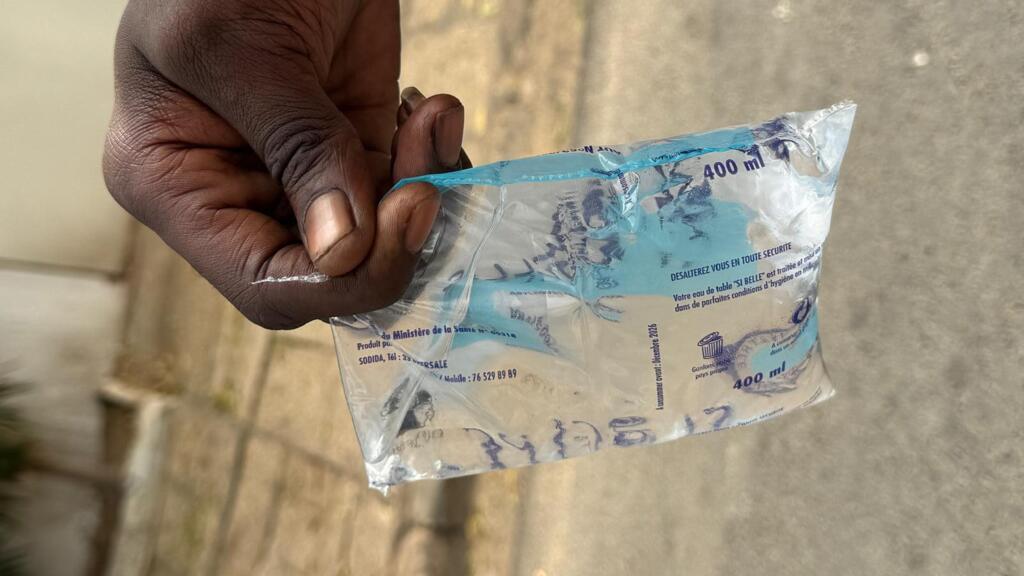
Dakar’s sachet water reveals alarming contamination in university study

An extensive study conducted by four researchers from the esteemed Cheikh-Anta-Diop University of Dakar has unveiled deeply concerning findings regarding the quality of sachet water widely consumed across the Senegalese capital. Between August and September 2018, investigators collected 60 water sachets, representing 15 distinct brands, from Dakar’s five largest markets: Tilène, Thiaroye, Colobane, Grand-Yoff, and Soumbédioune.
These small plastic pouches, typically containing 300ml to 500ml of water, represent a highly popular and affordable hydration option for many residents in Senegal. However, the subsequent analysis of these samples delivered unequivocal and troubling results.
Two critical tests, designed to detect the presence of environmental microorganisms like molds and various bacteria, including those originating from intestinal sources, revealed contamination levels significantly surpassing the standards set by the World Health Organization (WHO). The data painted an alarming picture for public health.
Specifically, a staggering eighty-three percent of the examined water sachets were found to be contaminated with bacteriological germs. Furthermore, fifteen percent of the samples showed the presence of coliforms, indicating a potential contamination from fecal matter.
The university study directly attributes these widespread issues to “defective hygiene in the processing” of the sachet water. Researchers highlighted a “significant health risk” for the Dakar population relying on these products. They underscored the urgent need to “inform consumers” about these dangers and to “intensify controls over the sale of packaged sachet water” to safeguard public well-being.
In a related development, it’s worth noting that just last May, Senegalese police forces successfully dismantled twelve clandestine production sites for these water sachets operating in the outskirts of Dakar, underscoring ongoing efforts to regulate this industry.