Dakar summit signals a new era for african francophonie
Dakar summit signals a new era for african francophonie
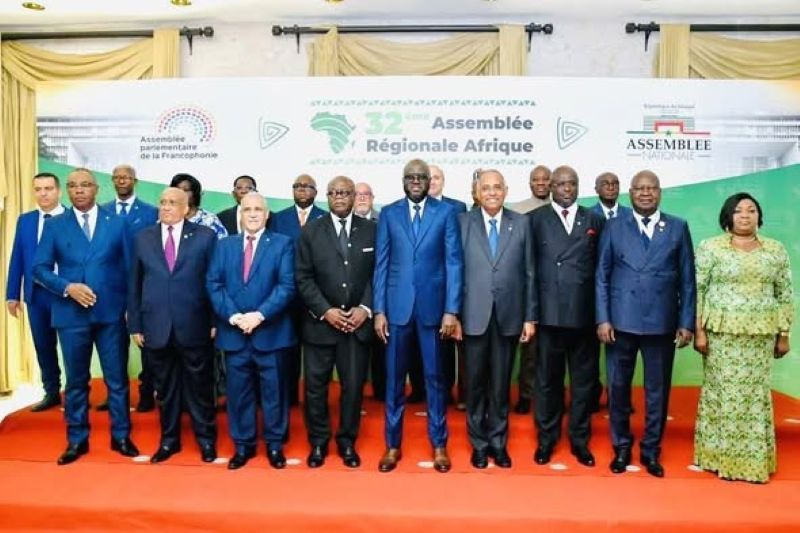
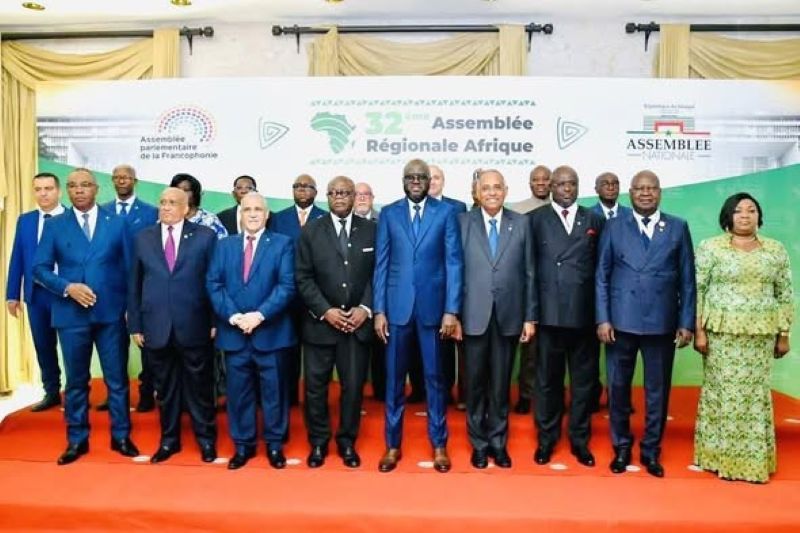
The geopolitical climate was palpable at a recent assembly in Dakar, where the African Parliamentary Francophonie embarked on a new trajectory. Beyond the formal speeches and diplomatic displays of unity, the 32nd Regional Africa Assembly of the Parliamentary Assembly of La Francophonie underscored a significant political transformation taking shape across the continent.
For three days, Dakar, the Senegalese capital, hosted over 200 parliamentarians, assembly presidents, and institutional delegates from approximately thirty African nations. This gathering served as a strategic forum for Francophone Africa, which is actively pursuing greater self-assertion, sovereignty, and a re-evaluation of its role within the global framework.
Amidst a complex international landscape characterized by geopolitical shifts, persistent security challenges in the Sahel region, escalating international tensions in the Middle East, and intense rivalries among major global powers, the discussions in Dakar transcended the typical scope of a parliamentary meeting. A fundamental question was at its core: What position does Francophone Africa intend to carve out for itself in the 21st-century world?
The chosen theme for this year’s assembly, « La Francophonie parlementaire face aux défis du développement durable et de la démocratie en Afrique », provided a foundation for a far-reaching discourse on the continent’s political, institutional, and strategic future.
Senegal spearheads a new african doctrine
A pivotal moment of the gathering was delivered by El Malick Ndiaye, President of Senegal’s National Assembly. In a highly impactful political address, the Senegalese leader advocated for « souveraineté africaine assumée » (asserted African sovereignty), emphasizing the need for robust, credible parliamentary institutions capable of exercising genuine democratic oversight.
More than just rhetoric, this intervention signaled the rise of a fresh African political doctrine. This new perspective rejects a Francophonie confined merely to cultural or linguistic dimensions, instead seeking to transform it into a vital instrument for strategic cooperation, political stability, and the robust defense of African interests.
Senegal effectively leveraged this international platform to articulate its vision for a more autonomous Africa in its security, economic, and diplomatic decisions. By addressing the Sahel crises, external pressures, and global geopolitical upheavals, El Malick Ndiaye urged African Parliaments to emerge as central players in crafting continental political responses.
His powerful appeal for a « more assertive » parliamentary diplomacy particularly resonated with the attending delegations. Key priorities for the coming years were identified as human security, taxation of extractive industries, administrative cooperation, and democratic oversight.
This strategic direction reflects an increasingly evident reality: Francophone Africa no longer merely seeks participation in international debates; it now aims to actively shape their content.
Gabon advances its diplomatic ambitions
Within this continental momentum, Gabon’s presence garnered significant attention. Michel Régis Onanga M. Ndiaye, President of the Gabonese National Assembly, led a substantial delegation comprising representatives from both parliamentary chambers, symbolizing Libreville’s commitment to enhancing its engagement in major international forums.
This involvement coincides with a period of diplomatic recalibration for Gabon, which is actively pursuing institutional reconstruction and strengthening its international image. The Gabonese delegation notably stressed the imperative of reforming the Parliamentary Assembly of La Francophonie to align with the evolving aspirations of African populations. This stance echoes broader discussions concerning the modernization of Francophone institutions and their capacity to address contemporary challenges.
In Dakar, Gabon also aimed to project itself as a nation eager to assume a more proactive role in discussions surrounding governance, democracy, and sustainable development. This approach signifies a crucial shift. Previously largely confined to traditional diplomatic settings, parliamentary Francophonie is steadily transforming into a competitive arena of influence, where each state now endeavors to champion its political vision and strategic interests.
Francophonie confronts its own transformation
The Dakar debates prominently highlighted a subtle yet profound existential crisis within institutional Francophonie. Many African leaders now contend that the structures inherited from previous decades no longer align with current geopolitical realities.
The surging calls for sovereignty, the democratic aspirations of African populations, persistent security crises, and economic pressures have fundamentally reshaped expectations concerning international organizations. In this environment, several speakers underscored the necessity of constructing a Francophonie that is less hierarchical, more equitable, and more focused on the tangible concerns of African citizens.
The prevailing narrative has shifted beyond mere linguistic solidarity. It now champions strategic cooperation rooted in security, economic development, regional integration, and institutional stability. This transformation is far from trivial; it unveils a significant intellectual paradigm shift among Francophone African political elites. A new generation of leaders is now committed to building institutions capable of safeguarding African interests in an increasingly contentious and competitive global arena.
Dakar: a symbol of continental shift
By hosting this 32nd Regional Africa Assembly of the APF, Senegal reaffirmed its ambition to emerge as a pivotal political hub for the new African diplomacy. The nation currently aims to synthesize institutional stability, sovereign assertion, and regional leadership.
Dakar’s selection as the venue for this critical deliberation was highly symbolic. It followed Senegal’s historic political transition in 2024 and occurred amidst a broader context where numerous African nations are re-evaluating their relationships with former influential powers. Beyond the formal resolutions and official pronouncements, this assembly will primarily endure as a symbol of Francophone Africa’s profound strategic transition. It represents a continent striving to bolster its institutions, safeguard its interests, and assert a more independent voice within the global power dynamics.
The African Parliamentary Francophonie is thus entering a new chapter in its history—one where matters of sovereignty, democratic governance, and political influence take center stage. In Dakar, African parliamentarians did more than merely discuss the future of La Francophonie; they began to redefine the very essence of a fresh African ambition.
