Côte d’Ivoire: alassane ouattara strengthens rhdp party leadership
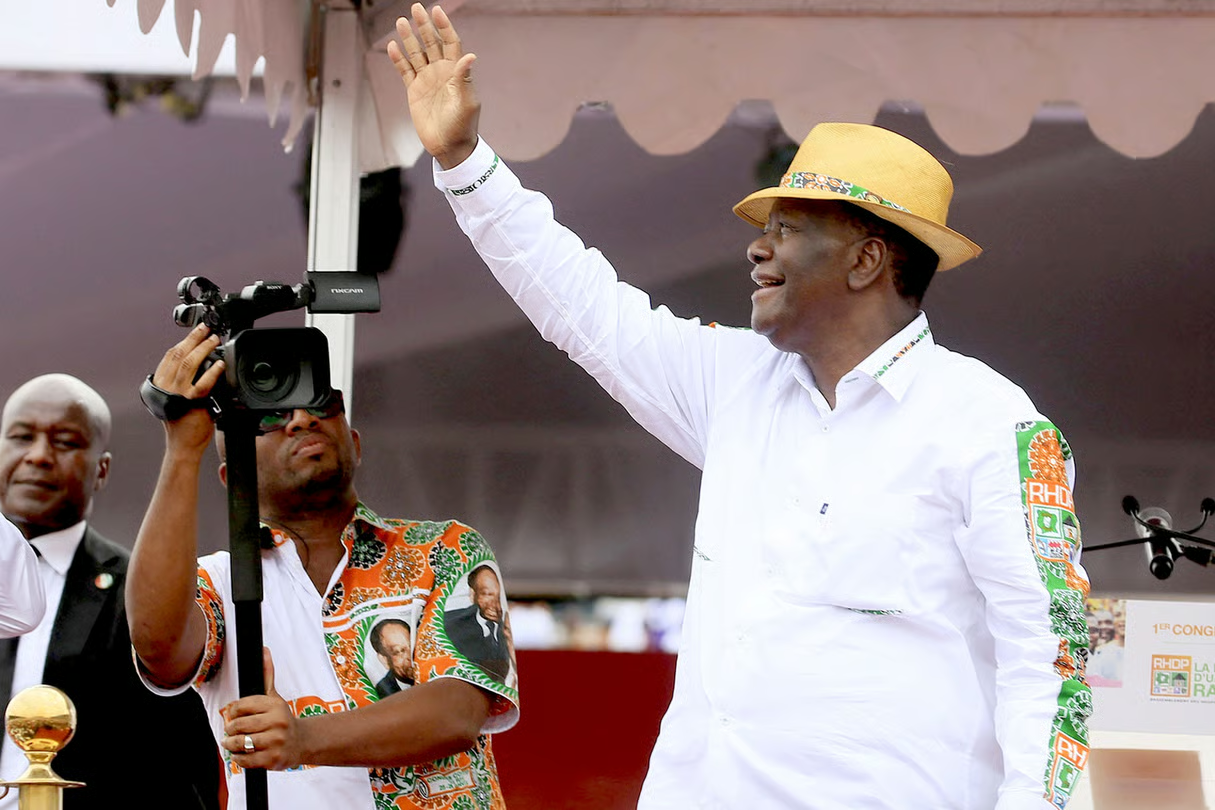
President Alassane Ouattara has announced sweeping reforms within the Rassemblement des Houphouëtistes pour la Démocratie et la Paix (RHDP), Côte d’Ivoire’s ruling coalition, aimed at tightening party discipline and streamlining operations.
Key changes in party structure
During a high-level meeting held in Abidjan on May 7, the Ivorian leader outlined plans to establish several new governing bodies within the RHDP. These include:
- A dedicated disciplinary council to enforce internal party regulations
- A comprehensive general inspection unit to oversee party activities
- Additional specialized committees to enhance operational efficiency
These structural adjustments come as part of a broader strategy to reinforce cohesion and accountability within the party’s ranks ahead of upcoming political challenges.
Strategic move ahead of elections
The timing of these reforms suggests a proactive approach to maintaining party unity and preparedness. By centralizing oversight mechanisms, President Ouattara appears to be positioning the RHDP for smoother governance and more effective electoral campaigns. Political analysts note that such organizational changes often precede major political events in Côte d’Ivoire’s electoral cycle.
While the specific details of these new structures remain undisclosed, local political observers emphasize their potential impact on party dynamics. The establishment of a disciplinary council, in particular, signals an intent to address internal dissent and maintain a unified front.
Implications for Côte d’Ivoire’s political landscape
The RHDP’s evolution under these reforms could significantly influence the country’s political trajectory. By strengthening internal governance, the party may enhance its ability to respond to both domestic and international pressures while maintaining its dominant position in Ivorian politics.
The changes also reflect a broader trend of political consolidation in West Africa, where ruling parties often adapt their structures to navigate evolving electoral landscapes and societal expectations.
