
Côte d’Ivoire/Réforme électorale : La 2PFJ plaide pour un dialogue politique participatif et inclusif
The Panafrican Platform of Women and Youth for Peace, Democracy, and Governance (2Pfj) has issued a compelling call for the initiation of an inclusive, participatory, and constructive political dialogue aimed at enacting enduring electoral reforms in Côte d’Ivoire. This crucial stance was formally articulated in a declaration released on Tuesday, July 21, 2026.
The platform emphasizes the critical need for an honest assessment of Côte d’Ivoire’s socio-political landscape, which has been profoundly shaped by past crises that have left lasting imprints on the populace. It firmly believes that the reform of electoral governance, a cornerstone of the Republic and its democratic principles, cannot be reduced to mere informational briefings.
In light of this, the 2Pfj strongly recommends that the government elevate its current efforts into a genuine framework for republican negotiation and dialogue, actively involving all vital segments of the nation. According to the organization, any future body tasked with managing elections must emerge from a broad national consensus to ensure the unwavering trust of all stakeholders.
To achieve this, the platform also advocates for the establishment of joint technical commissions. These commissions would bring together representatives from the government, the opposition, and civil society, working in parity.
The mandate of these commissions would be to meticulously define the competencies, financial autonomy, and independence of the three proposed new electoral bodies, or any alternative institutional structure ultimately adopted.
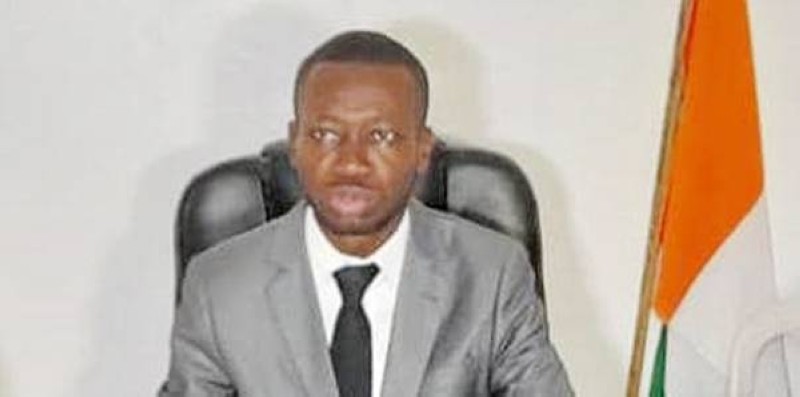
These detailed proposals are contained within the document signed by Jean-Martial N’Guessan, who serves as the President of the 2Pfj’s board of directors.
Furthermore, the 2Pfj asserts that a climate of mutual trust is absolutely essential for the success of these discussions. To foster such an environment, the platform calls for the release of individuals detained in connection with politically motivated cases, as well as the secure return of exiles.
It also urges for meaningful representation of women’s and youth organizations within the composition of future electoral bodies. This inclusion, it argues, is vital for strengthening inclusive and peaceful civic monitoring.
For the 2Pfj, the various electoral crises have severely tested the Ivorian people. However, the organization highlights that history consistently demonstrates the capacity of Ivorians to transcend their differences when the overarching interest of the Nation is at stake.
The reform of electoral governance, in the platform’s view, presents a unique opportunity to rally citizens around a shared objective: building a Côte d’Ivoire that is more stable, peaceful, and prosperous for all.
It is worth recalling that following the dissolution of the former Independent Electoral Commission (Cei), the Ivorian government convened a significant working session on June 22, 2026. This session, presided over by Prime Minister Robert Beugré Mambé, was presented as an expanded information gathering. It brought together various political parties, movements, and civil society organizations to explore avenues for electoral system reform and to seek sustainable solutions for the nation’s future.