
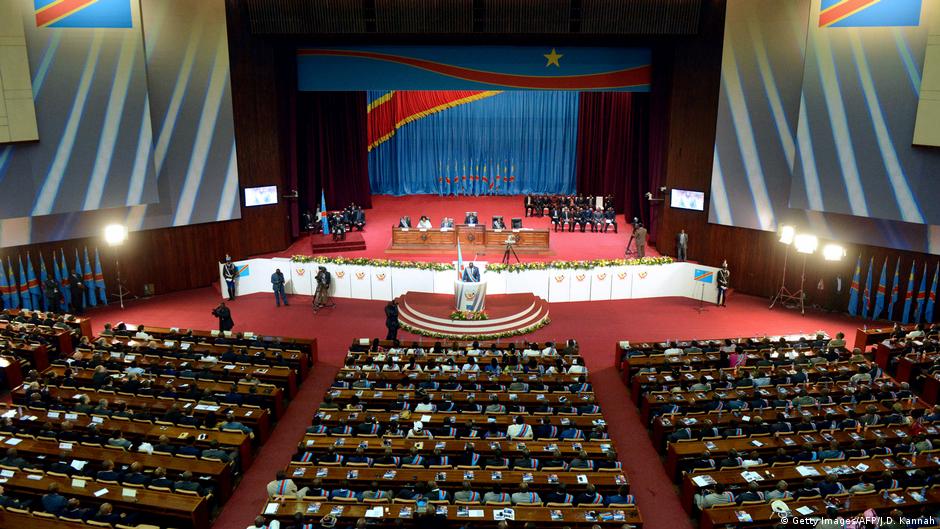
The National Assembly in Kinshasa witnessed intense political clashes as lawmakers grappled with a controversial bill aimed at regulating referendum procedures in the Democratic Republic of the Congo.
Tensions erupted during the May 27 plenary session when deputies from the opposition bloc Ensemble pour la République walked out, refusing to engage in what they termed an unconstitutional power grab disguised as legal reform. The proposed legislation, championed by opposition leader Paul-Gaspard Ngondankoy, seeks to update the 2005 transitional framework governing referendums, asserting that it would fill a critical legal void in the country’s constitutional process.
majority defends reform as opposition cries foul
Steve Mbikayi, a National Deputy from Mont-Amba and leader of the Labour Party—a key ally of the ruling Union Sacrée de la Nation—argued that constitutional amendments fall squarely within the mandate of the majority government. In a statement brimming with conviction, he dismissed opposition objections as baseless distractions.
“The authority to determine whether constitutional or legal reforms are necessary rests solely with the elected majority. The opposition has no constitutional right to initiate or obstruct such reforms. Only the parliament, the President, or a petition signed by over 5,000 citizens hold that power. Any other maneuver is nothing more than political theatrics,” Mbikayi declared.
eastern instability fuels opposition fears
Christian Mwando of the Ensemble pour la République faction struck a defiant tone, warning that proceeding with referendum legislation in the current climate would legitimize armed groups controlling parts of eastern Congo. He framed the reform as a calculated plot to dismantle the nation’s constitutional order.
“We urge the President to halt this dangerous initiative, which risks normalizing rebellion in the East. The Congolese people must rise up against this sinister project that threatens the very fabric of our republic. This is nothing short of a conspiracy against the DRC’s constitution,” Mwando asserted.
Meanwhile, Aimé Boji Sangara, President of the National Assembly, insisted the bill’s sole purpose is to establish a clear legal pathway for direct citizen participation in national decisions—when conditions allow. Despite the opposition’s boycott, the bill’s report passed committee scrutiny with proposed amendments.
political confrontation spills into the streets
The parliamentary standoff has now spilled beyond the halls of power. Opposition leaders have called for a city-wide shutdown on June 3, branding the reform a backdoor constitutional coup. Counter-mobilizations by government supporters are scheduled for the same day in Kinshasa and select provinces, setting the stage for a high-stakes showdown.