
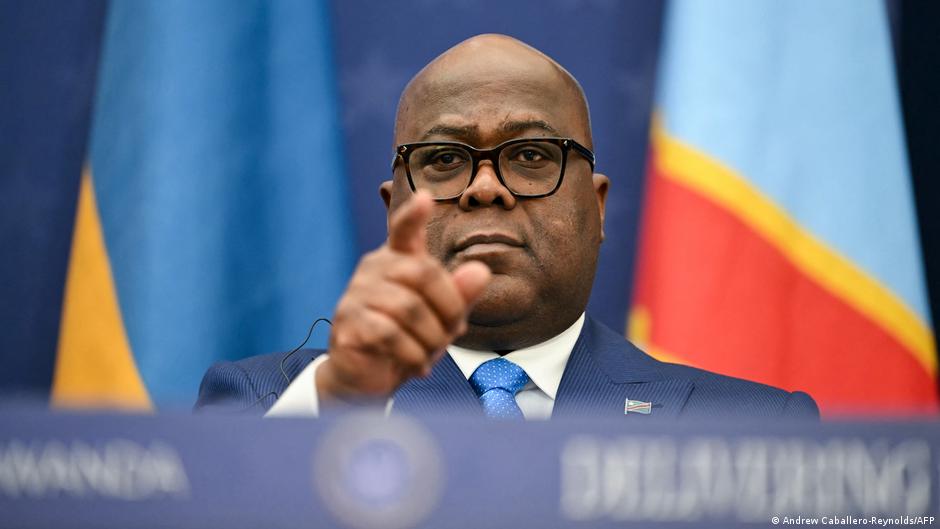
The proposed constitutional reform in the Democratic Republic of the Congo is stirring up heated discussions, particularly within religious circles. While Pentecostal churches rally behind the initiative spearheaded by President Félix Tshisekedi, the Catholic Church is urging caution, warning against compromising the nation’s democratic foundation.
This religious divide coincides with a critical phase in the reform process: the National Assembly’s adoption of the referendum bill, marking a significant step toward constitutional amendment.
Pentecostal churches endorse the constitutional changes
Pentecostal denominations align with the government’s argument that the 2006 Constitution no longer reflects the country’s institutional realities. Archbishop Evariste Ejiba Yamampia, leader of the Pentecostal Churches in Congo, emphasizes the potential benefits of the reform, stating that it could enhance governance, economic development, and equitable resource distribution.
“This isn’t just about national sovereignty—it’s about governance, economic efficiency, and improving living conditions. By eliminating wasteful entities, we can finally harness our nation’s wealth for the people’s benefit,” he asserts.
Catholic Church prioritizes democratic safeguards
The National Episcopal Conference of the Congo (Cenco) has yet to issue an official stance. However, the Catholic Apostolate of Lay People (CALCC) has underscored the Church’s commitment to preserving the existing Constitution, which it views as the cornerstone of Congo’s fragile democracy.
“The Constitution remains our democracy’s bedrock. We advocate for dialogue and prudence, reminding leaders that power is a service, not an entitlement. Citizens—especially lay Catholics—must remain vigilant against any attempt to weaken our democratic gains,” warns Faustin Onombili, CALCC president.
Political opposition challenges the reform
The constitutional debate extends beyond religious lines, fueling political tensions. Critics, including the Article 64 Coalition, accuse President Tshisekedi of manipulating institutional rules for personal gain. Initially planning legal action, the coalition shifted focus to a planned protest outside Parliament, signaling growing resistance to the reform.
As the referendum approaches, the divide deepens: proponents advocate for institutional modernization, while opponents defend the 2006 Constitution as the bulwark of Congo’s democratic transition.