
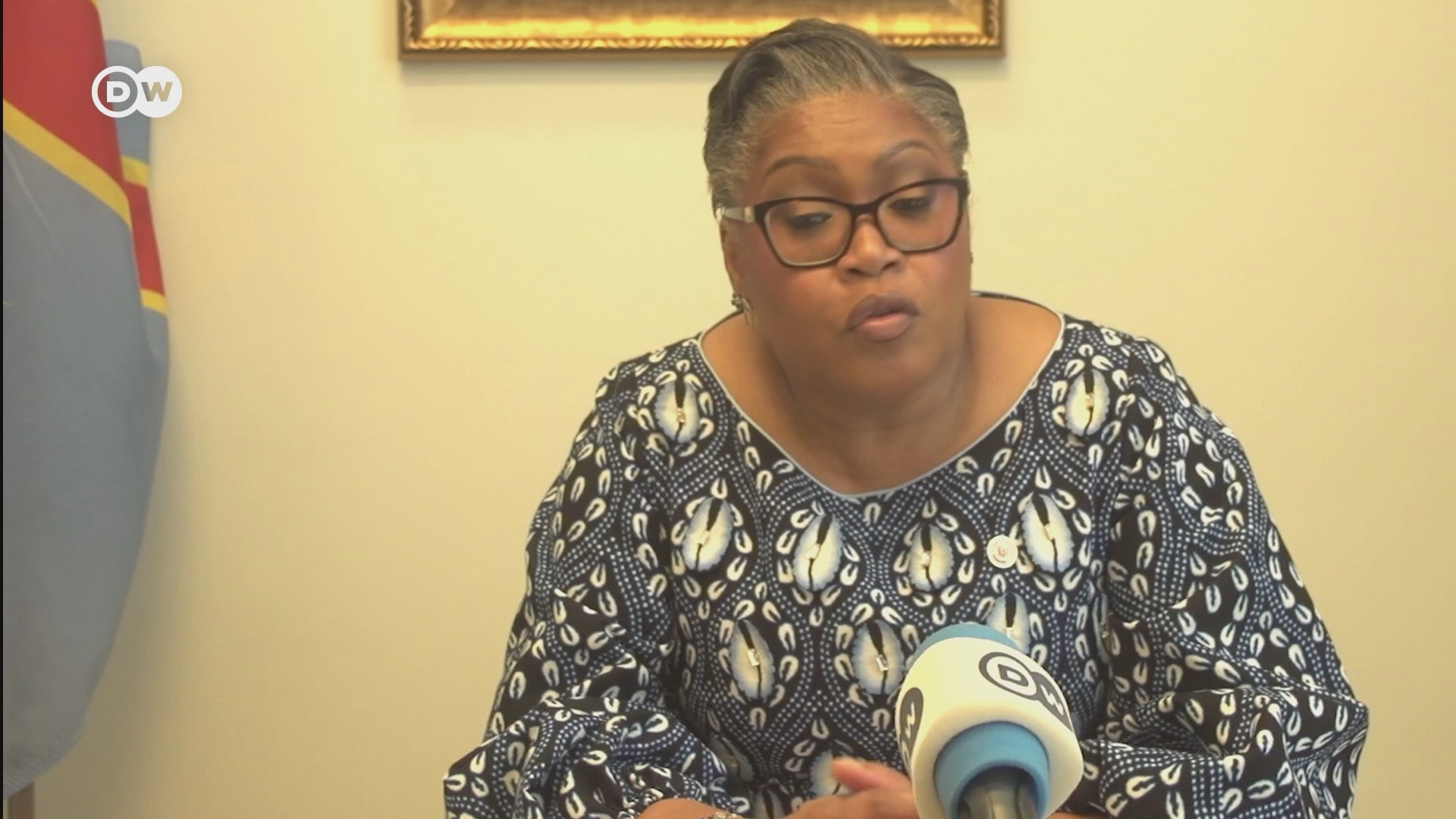
During a high-level visit to New York to assume the rotating presidency of the United Nations Security Council, Congolese Prime Minister Judith Suminwa outlined the Democratic Republic of the Congo’s core priorities on peace, security, and international justice. In her address, she reaffirmed the country’s unwavering commitment to democratic values and the rule of law, both at home and abroad.
Upholding democratic principles amid protests
Addressing concerns about planned opposition demonstrations against constitutional amendments, Prime Minister Suminwa delivered a measured response. “The Democratic Republic of the Congo is a democratic nation,” she declared, emphasizing that legitimate protests must remain within the bounds of constitutional order and legal frameworks. For her, the freedom to assemble is non-negotiable, but it must be exercised responsibly, in alignment with national unity and the common good.
Civilian protection takes center stage at the UN
The Congolese government is pushing for international discussions to prioritize civilian protection, especially in regions plagued by conflict and humanitarian crises. Prime Minister Suminwa stressed that protecting vulnerable populations—women, survivors of violence, and children caught in war zones—requires more than symbolic resolutions. Concrete action on the ground is essential to turn policy into tangible relief.
Sexual violence in war: a call for justice
One of the most pressing issues raised by Suminwa was the use of sexual violence as a weapon of war, a tactic widely documented in conflict zones. She urged the Security Council to integrate this issue into peace processes, ensuring that survivors receive protection and justice. “Accountability must be enforced,” she stated, demanding that perpetrators face consequences for their actions in competent legal forums.
Her appeal extended beyond rhetoric—she called for the inclusion of sexual violence prevention in ceasefire negotiations and the establishment of robust support systems for victims, ensuring their fundamental rights are restored.
Ebola response and humanitarian resilience
Beyond security concerns, Prime Minister Suminwa highlighted the ongoing fight against Ebola. International partners have pledged nearly one billion dollars to support the response, yet she emphasized the urgency of actual fund disbursement to prevent delays in critical interventions. The Congolese government has contributed $50 million of its own, with funds already allocated to research and healthcare coordination through the National Institute of Biomedical Research (INRB).
She warned that the health crisis, if mishandled, could escalate into a broader humanitarian emergency, particularly for the most vulnerable communities. A holistic approach—one that addresses social and economic impacts alongside medical needs—is vital to mitigating long-term damage.