
China calls for end to natural resource exploitation as driver of conflict in eastern DRC
At a United Nations Security Council meeting, China’s ambassador to the UN, Fu Cong, delivered a strong message on the persistent instability in the Democratic Republic of Congo (DRC). The focal point of his intervention was the unchecked exploitation of the DRC’s vast mineral wealth—particularly in the eastern provinces—where illegal mining operations continue to fuel conflict and undermine regional peace efforts.
Natural resources as a driver of conflict
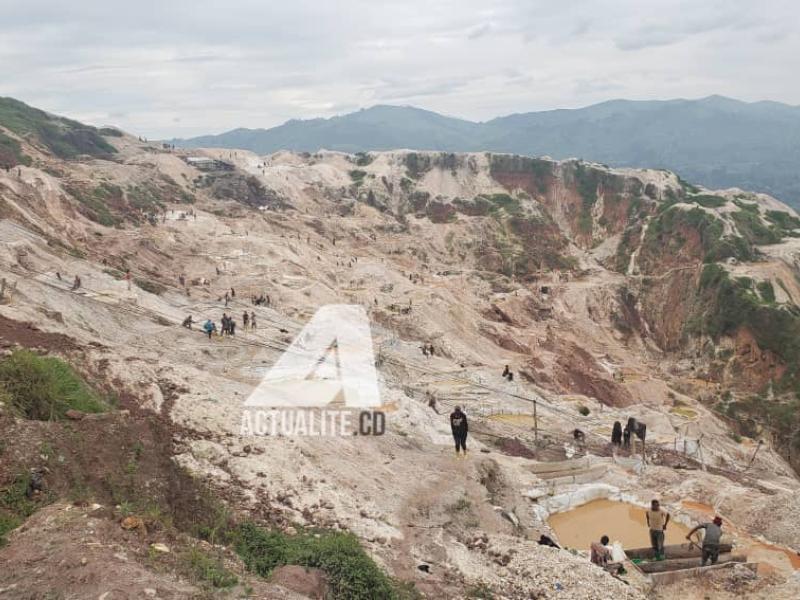
The Chinese diplomat emphasized that the exploitation and trafficking of natural resources, including gold, coltan, and other strategic minerals in eastern DRC, remain at the heart of the region’s ongoing violence. He pointed to the Rubaya mining site—a key source of coltan—where armed groups, including the M23 rebels, continue to control extraction and trade routes, siphoning off revenues that should benefit local communities and the national economy.
International responsibility and sustainable governance
Ambassador Fu Cong called for a shift in international behavior, urging non-regional powers to refrain from using natural resource exploitation as a bargaining chip in regional disputes. He stressed that such practices perpetuate cycles of violence and hinder sustainable development in the Great Lakes region.
“The root causes of conflict must be addressed with urgency. The DRC’s abundant resources should serve as a foundation for national development, not a source of pillage and conflict. We must establish transparent and inclusive mining cooperation to break the cycle of illicit trade,” he stated during the June 26 session.
Calls for regional and international cooperation
China has positioned itself as a strong advocate for regional cooperation in mining governance. Fu Cong proposed that the UN Security Council support initiatives aimed at enhancing transparency and traceability in mineral exports from the DRC. He also underscored the need for external actors to adopt cooperative approaches that prioritize mutual benefit over zero-sum strategies.
- Strengthening regional mechanisms: Support for transparency initiatives to ensure responsible mineral sourcing.
- Halting illicit trade: Cracking down on networks that facilitate the smuggling of minerals across borders.
- Promoting inclusive development: Ensuring that local communities benefit from resource wealth through fair governance.
Challenges to peace processes
The current instability in eastern DRC is compounded by overlapping crises, including renewed Ebola outbreaks and recurring violence. Despite diplomatic efforts such as the Washington Agreement between the DRC and Rwanda, and the Doha Process involving the M23 rebel group, tangible progress remains elusive. Mutual accusations of non-compliance between Kinshasa and Kigali continue to stall negotiations, leaving communities in the crossfire.
Conclusion: a path toward stability
As the international community grapples with the complexities of the DRC’s conflict, China’s intervention highlights a critical truth: sustainable peace cannot be achieved without addressing the economic drivers of violence. By advocating for responsible resource governance and rejecting exploitative practices, Beijing is pushing for a new framework that prioritizes regional stability and equitable development.