Sénégal constitutional reform deep dive: political system overhaul ahead
Today marks a pivotal moment for Senegal’s political landscape as lawmakers in Dakar convene for a highly anticipated plenary session. The primary agenda? Deliberating and potentially adopting a constitutional revision bill designed to usher in a new institutional chapter for the West African nation.
The proposed reforms touch on critical aspects of governance, including power rebalancing, modernization of institutional frameworks, and updated governance rules. With the 2029 presidential ambitions hanging in the balance, the text carries significant weight for both current leaders and future contenders.
key reforms and their potential impact
The constitutional amendment package presents sweeping changes intended to address longstanding concerns about governance efficiency and political accountability. Among the most discussed provisions are:
- Institutional modernization: Redefining the roles and responsibilities of key state bodies to align with contemporary democratic standards.
- Power distribution adjustments: Ensuring a more balanced separation of powers between the executive, legislative, and judicial branches.
- Governance rule updates: Introducing stricter ethical guidelines and transparency measures for public officials.
These revisions aim to fortify Senegal’s democratic resilience while addressing public demands for greater accountability and inclusivity in governance.
expert insights on the reform’s significance
To unpack the nuances of these proposals, we turn to Papa Fara Diallo, a prominent political scientist and lecturer at the University of Gaston Berger in Saint-Louis. With deep expertise in constitutional law and Senegalese politics, Diallo shares his perspective on what these changes could mean for the nation’s future.
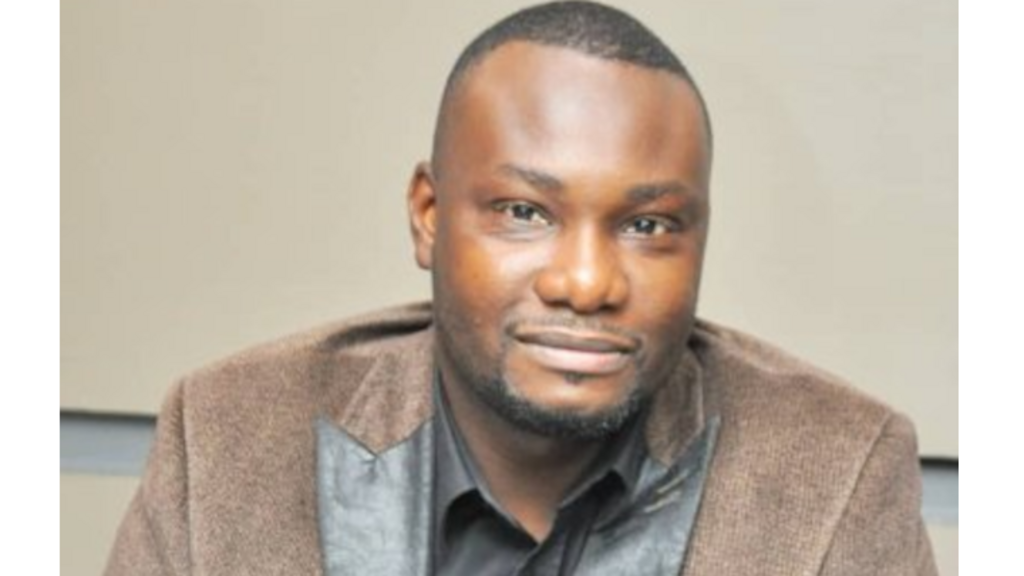
Diallo emphasizes that the reforms are not merely procedural but represent a fundamental reimagining of how power is exercised and legitimized in Senegal. He notes, “The current system has struggled to meet the expectations of a rapidly evolving society. These changes aim to create a more responsive and accountable governance structure.”
Among the most consequential elements of the bill is the potential redefinition of presidential term limits and eligibility criteria. Analysts suggest this could reshape the political terrain ahead of the 2029 elections, either by opening new pathways for leadership or by imposing stricter constraints on incumbents.
what’s next for Senegal’s political future
The outcome of today’s parliamentary debate will determine whether the reforms advance to the next legislative stages. If adopted, the amendments would require public approval through a referendum, setting the stage for a national conversation on the country’s democratic direction.
For Senegalese citizens and political observers alike, the coming weeks will be critical. The debate over this constitutional revision will test the nation’s commitment to reform while highlighting the evolving expectations of its people.
