
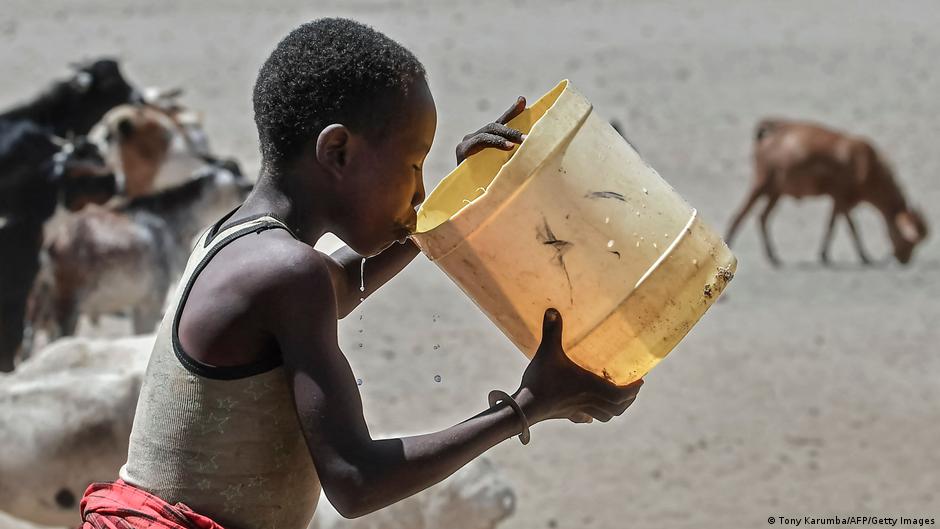
The African Water Forum kicked off in N’Djamena this week, bringing together heads of state, financial partners, and experts under the theme “Turning Vision into Action.” While the event aims to mobilize resources for water access across Africa, the spotlight remains on Chad, where nearly 40% of the population still lacks safe drinking water.
Organized in collaboration with the World Bank Group, the forum seeks to bridge the gap between political will and tangible solutions. Yet, as delegates deliberate behind closed doors, many Chadian citizens express a mix of cautious optimism and deep skepticism about whether this gathering will yield real change.
Voices from the ground: desperate for change
For Eliane, a homemaker in N’Djamena, the forum represents a glimmer of hope. “As a mother and a citizen, I hope this gathering leads to cleaner water. The water we drink now is often unsafe. If today’s discussions can bring even a fraction of that change, it would be worth it,” she shares.
Her sentiment echoes the frustrations of millions of Chadians who rely on contaminated sources. In rural areas, women and children often trek long distances to fetch water from polluted rivers or shallow wells, risking waterborne diseases and malnutrition.
Promises vs. reality: a familiar pattern
Not everyone shares Eliane’s optimism. Richard, a high school teacher in the capital, voices a common sentiment: “We’ve seen conferences like this before. The promises fade, and nothing changes. Real progress starts with political will, not speeches.”
Moussa, a small business owner, echoes this frustration. “Money spent on hosting this forum could have funded thousands of water points. Instead, we get recommendations that gather dust.”
These reactions highlight the deep divide between high-level commitments and the harsh realities faced by communities outside N’Djamena.
Uneven progress: the stark divide between urban and rural
Official figures claim 63.5% of Chadians have access to potable water, but the reality is far grimmer in regions like Guéra, Wadi Fira, and Sila. Here, access drops to a mere 10-21%, forcing families to depend on unsafe alternatives.
The consequences are severe. Waterborne illnesses and chronic malnutrition plague these areas, undermining efforts toward sustainable development. The National Human Rights Commission (CNDH) has urged the government to prioritize water infrastructure, sanitation, and climate-resilient solutions. “Water access is not just a basic need—it’s the foundation of peace, social cohesion, and food security,” warns Belngar Larmé Laguerre, the commission’s president.
Meanwhile, the CNDH has called on international partners to bolster support for long-term, adaptive water management strategies.
Questions over governance
Another point of contention is the forum’s organization. Rather than the Ministry of Water, the event was placed under the Ministry of Finance, Budget, Economy, Planning, and International Cooperation. This decision has raised eyebrows among development experts, who argue it reflects broader governance challenges in water policy.
For millions of Chadians, the stakes couldn’t be higher. As delegates discuss strategies behind closed doors, the question remains: Will this forum translate into lasting solutions, or will it become another missed opportunity in the fight for water security?