
Chad Hosts Pioneering Drone Café to Drive Technological Advancement
Chad is making headlines with the inaugural Drone Café, a landmark event exploring the transformative potential of unmanned aerial vehicles in agriculture, livestock management, and environmental conservation. Industry leaders addressed critical challenges around regulation, training, and integration to unlock drone technology’s full benefits.
Uniting Visionaries to Shape Chad’s Drone Future
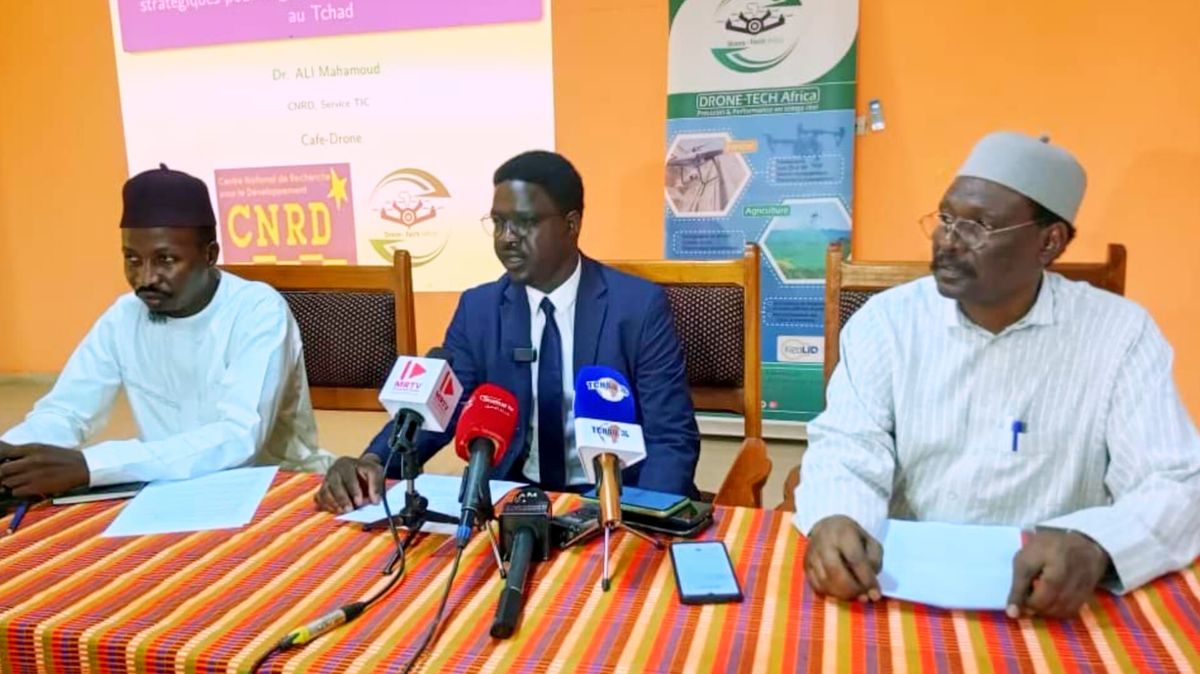
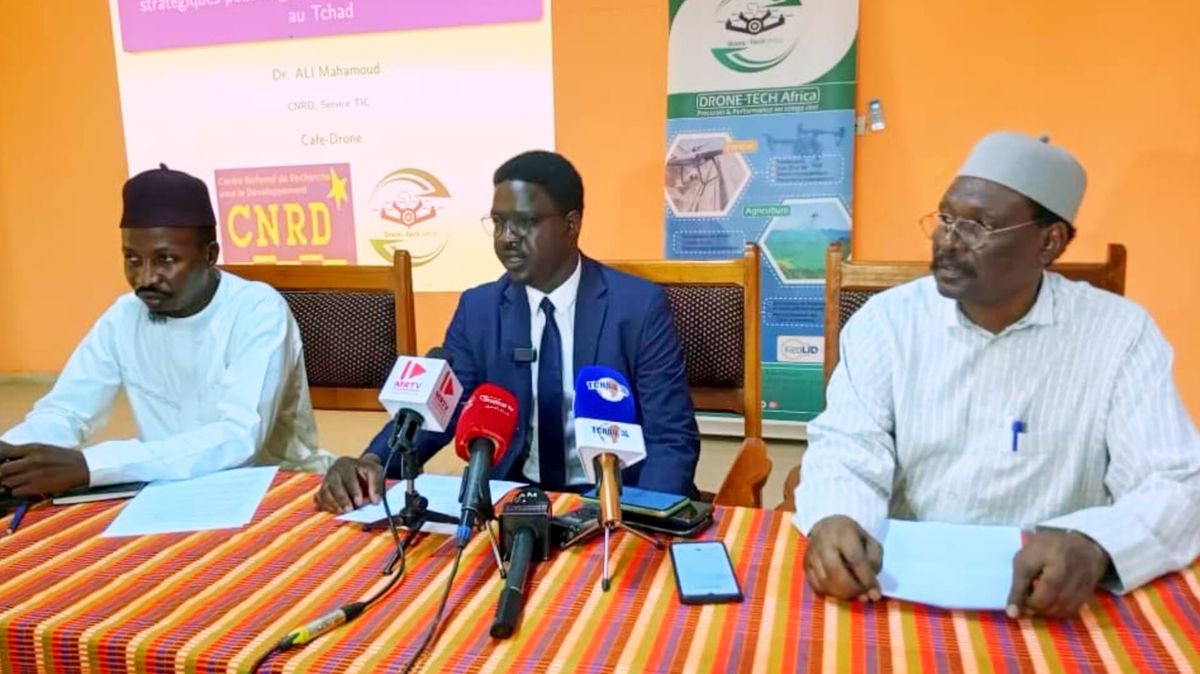
In a historic gathering at N’Djamena’s National Research and Development Center (CNRD), Chad’s first-ever Drone Café brought together local and international experts to showcase how unmanned aerial vehicles are reshaping key sectors. Organized by Tech Africa, Tchad FlyingLabs, WeRobotics, and the CNRD, the event spotlighted practical applications in agriculture, livestock sustainability, and environmental monitoring.
The CNRD’s Director General, Professor Mahamoud Youssouf Khayal, opened the session with a powerful message: drones are no longer a futuristic concept but a present-day necessity for Chad. « Our vast landscapes, logistical hurdles, and urgent need for real-time data make drones an indispensable tool, » he stated. « Whether monitoring drought-prone zones or tracking wildlife, these technologies deliver precision where traditional methods fall short. »
Key Challenges and Strategic Solutions
Professor Khayal outlined three critical areas demanding immediate attention:
- Regulatory Framework: Balancing innovation with safety to ensure drones contribute to national progress.
- Workforce Development: Equipping youth with the skills to operate and maintain drone fleets.
- Collaborative Integration: Fostering synergy between government agencies, private enterprises, and researchers.
He praised the event’s partners for their commitment, emphasizing that the Drone Café was more than a conference—it was a catalyst for action. « Research isn’t confined to labs; it’s embedded in our daily challenges. Drones embody this principle, » he noted.
Innovation in Action: Real-World Applications
Mahamat Issa Abakar of Drone Tech Africa showcased drone-assisted agricultural projects in Burkina Faso and Chad’s Guéra Province (Mongo, Baro, Tabo). A drone-monitored women-led farming initiative demonstrated a potential 30% yield increase through optimized resource management.
Ali Mahamoud, CNRD’s Head of Service, highlighted drones’ role in mitigating farmer-herder conflicts by tracking water points and transhumance corridors. « These tools provide data-driven insights to preempt crises, from wildlife poaching in Zakouma National Park to mineral prospecting, » he explained.
Dr. Djimassal, a research lead, delved into satellite-imagery analysis, revealing how high-resolution visuals of vegetation, water bodies, and habitats are revolutionizing environmental planning. « Every pixel tells a story—whether it’s a depleted pasture or a hidden mineral deposit, » he said.
Building a Roadmap for Sustainable Growth
The event concluded with a panel discussion, where participants debated strategies to institutionalize drone technology. « This isn’t just about adoption; it’s about creating an ecosystem where drones become a cornerstone of Chad’s development, » remarked one attendee.