
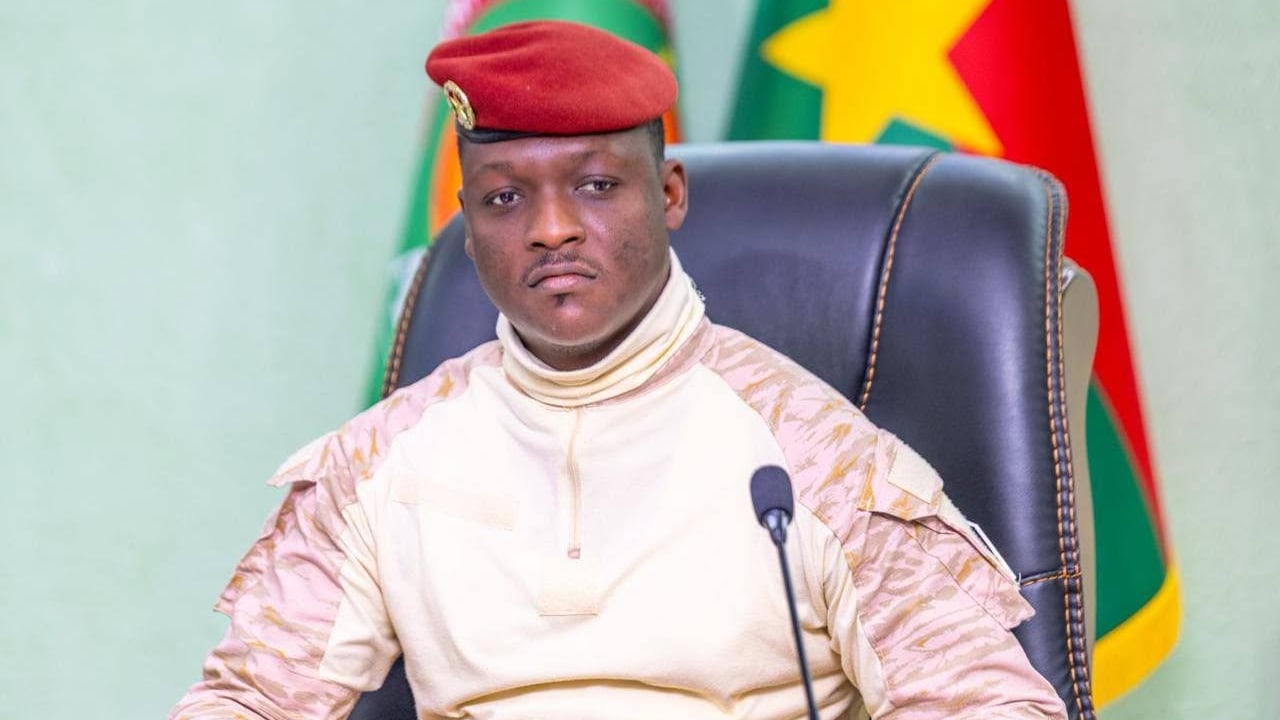
In a historic diplomatic move, Burkina Faso has officially declared the suspension of all ties with France, marking a significant shift in regional relations. The announcement was made in a televised address by the country’s leadership, underscoring growing frustrations over perceived interference and unmet expectations.
The decision comes after months of escalating dissatisfaction with France’s policies in West Africa, particularly regarding security cooperation and economic partnerships. Analysts note that this rupture reflects deeper geopolitical realignments across the Sahel region.
Reasons behind the diplomatic break
Officials in Ouagadougou have cited multiple grievances as justification for severing relations. Key among these are:
- Unilateral policy decisions by Paris that were deemed detrimental to Burkina Faso’s sovereignty, including military and financial constraints.
- Lack of tangible support in combating insurgencies, despite long-standing security agreements.
- Cultural and economic pressures, with critics accusing France of maintaining neo-colonial economic structures that hinder local development.
The announcement was met with mixed reactions domestically and internationally. While some citizens celebrated the bold stance as a reclaiming of national authority, others expressed concerns about the potential consequences for Burkina Faso’s stability and international standing.
Immediate implications for both nations
The termination of diplomatic relations is expected to have far-reaching consequences. For Burkina Faso, the move could disrupt trade, security cooperation, and development aid that have historically flowed from France. Meanwhile, France faces the challenge of recalibrating its influence in a region where anti-colonial sentiments are increasingly shaping political discourse.
Economic analysts warn that the rupture could lead to short-term disruptions in supply chains, particularly for essential goods dependent on French markets. However, some officials suggest that Burkina Faso may seek alternative partnerships to mitigate these effects.
What’s next for Burkina Faso’s foreign policy?
The government has signaled its intent to pursue new alliances, with a focus on strengthening ties with neighboring African nations and exploring partnerships beyond traditional Western spheres. This strategic pivot aims to reduce reliance on former colonial powers and foster self-sufficiency.
As the dust settles on this unprecedented decision, the global community watches closely to see how Burkina Faso navigates this new chapter in its foreign relations. The move has already sparked debates about the future of cooperation in West Africa and the evolving dynamics of international partnerships.
For now, the world awaits further statements from Ouagadougou as the implications of this bold diplomatic shift continue to unfold.