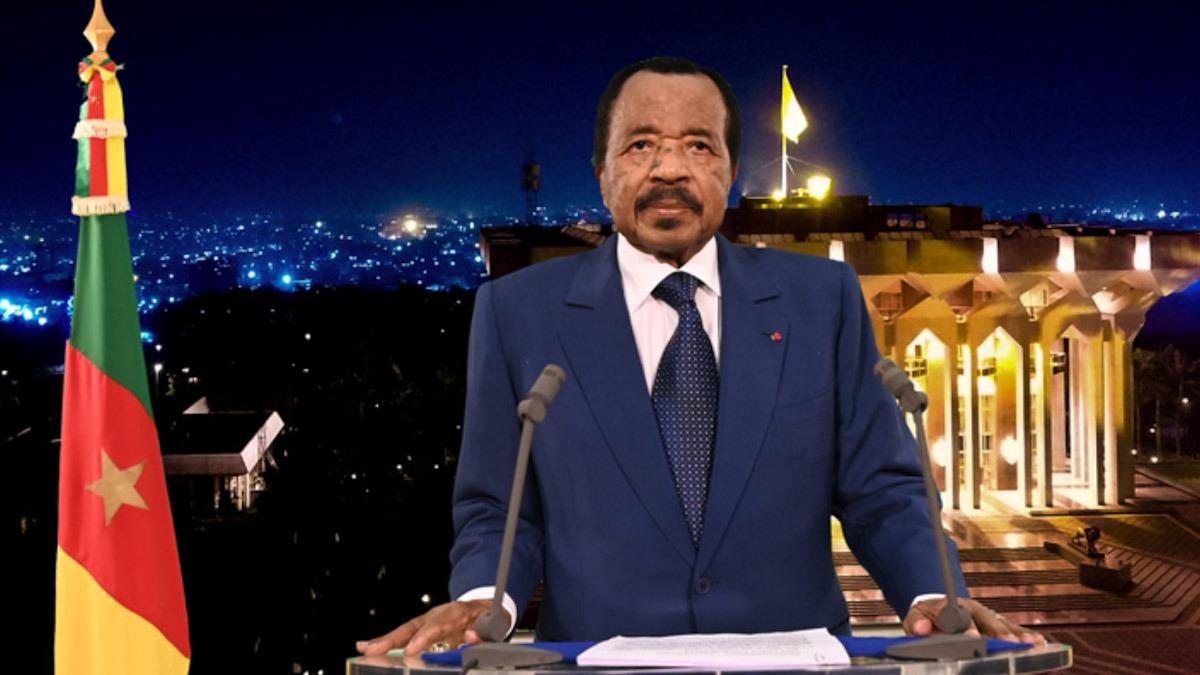
Cameroon’s leadership gap: how Paul Biya’s absence fuels economic and social strain
The rhythm of Cameroon is faltering. Since the early days of June 2026, when President Paul Biya left the capital city of Yaoundé for a purportedly brief private stay in Europe, the nation has operated under a cloud of uncertainty. Over two months later, with no public appearances or official return date, this leadership void extends far beyond political discourse. In a state governed by extreme centralization, where every significant public action hinges on presidential approval, such a prolonged absence cannot fail to leave tangible scars on the country’s economy and daily life.
Economic paralysis: markets stutter and projects stall under prolonged absence of Paul Biya
The Cameroonian economy is built on a foundation of centralized authority. The president’s prolonged absence has triggered a domino effect of institutional and financial gridlock:
- Financial markets waver: Recent market analyses show Cameroonian dollar-denominated bonds performing among the weakest on the continent. Leading rating agencies have flagged concerns over the absence of a clear succession plan and the perceived political instability, prompting cautious investor behavior.
- Frozen investment initiatives: Major infrastructure projects and public-private partnerships require top-level arbitration. With no executive decisions being made, critical files pile up within ministerial offices, delaying fund disbursements and slowing the execution of the national budget.
- Administrative paralysis persists: Despite a constitutional reform passed in April 2026 introducing the position of vice president to mitigate leadership gaps, the role remains unfilled. Similarly, a long-anticipated cabinet reshuffle has yet to materialize, maintaining a state of bureaucratic inertia.
Everyday hardship: rising costs and growing public frustration
For ordinary citizens, the ripple effects of this institutional slowdown are immediate and deeply felt:
- Inflation tightens household budgets: Local markets continue to grapple with soaring prices for essential goods and fuel. Without timely fiscal measures or responsive budget adjustments, the purchasing power of Cameroonian families continues to shrink.
- Distrust and anxiety spread: The lack of official communication has fueled rampant speculation across social media platforms. This information vacuum has fostered a growing sense of disdain among the populace, particularly the youth, creating a climate of social tension.
- Crisis response lags: Key challenges such as the ongoing conflict in the North-West and South-West regions, youth unemployment, and deteriorating infrastructure—including roads and electricity networks—lack the political momentum required to secure sustainable solutions.
Leadership gap exposes deep-rooted structural weaknesses
The prolonged absence of Paul Biya, Cameroon’s head of state, serves as a stark reminder of the vulnerabilities embedded in the country’s institutional framework. It highlights how the concentration of power in a single individual can destabilize the entire socio-economic system when that individual is absent.
For Cameroon to restore investor confidence and maintain social stability, urgent action is needed. Clear governance signals and the resumption of routine administrative functions are no longer optional—they are essential to the nation’s future.
