
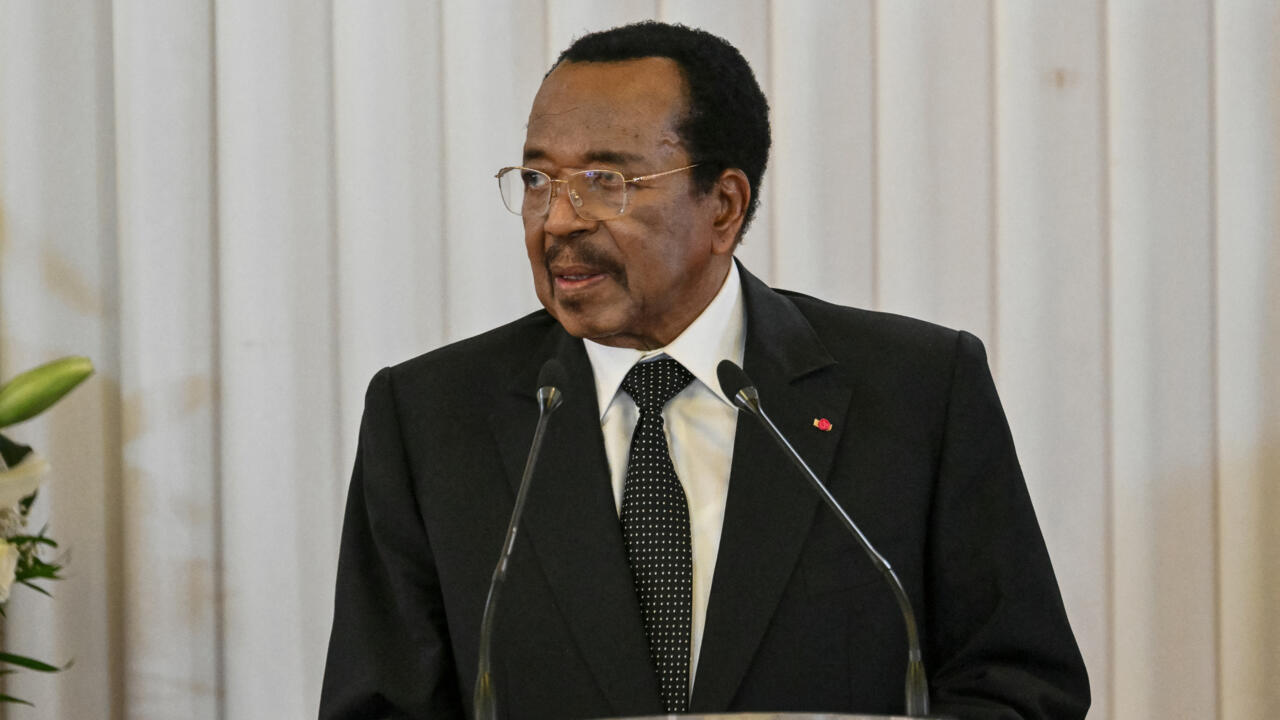
President Paul Biya of Cameroon has not been seen publicly since June 7, when the official newspaper, Cameroon Tribune, reported his departure for a “brief private stay in Europe.” Now, over 50 days have passed, and there remains no official communication regarding his current whereabouts or an anticipated return date. This prolonged silence from the government, coupled with the 93-year-old Cameroonian leader’s advanced age, has fueled widespread speculation and growing anxieties about the stability and continuity of the state. Opposition parties are openly discussing a “power vacuum,” describing the government as being on “autopilot” or even operating via “telework.” This situation raises critical questions: What constitutional provisions address an extended presidential absence? And could this prolonged disappearance lead to significant impediments in the country’s crucial governance affairs?
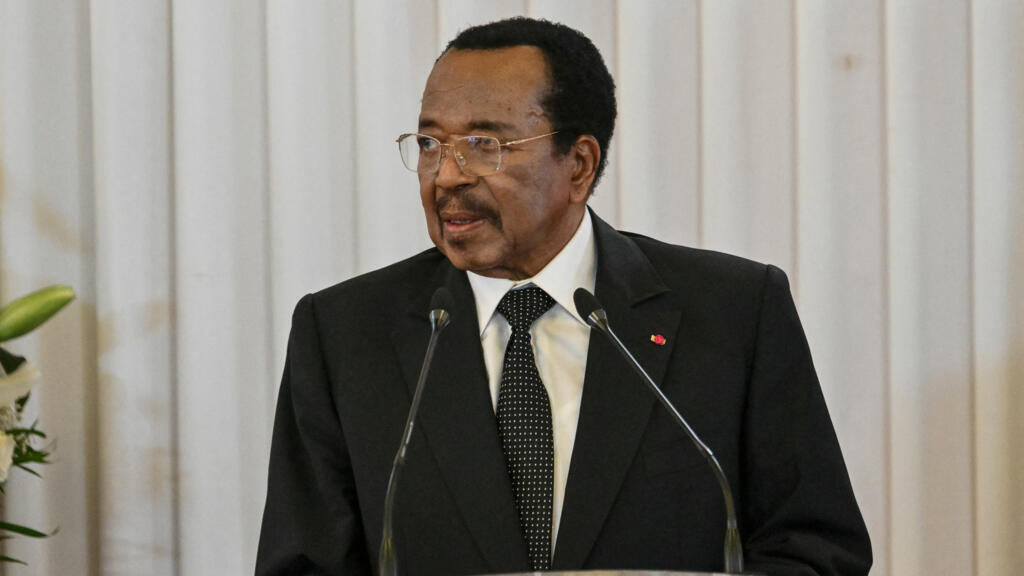
Political analyst Stéphane Akoa, representing the Paul Ango Ela Foundation, offers insights into this unfolding situation.