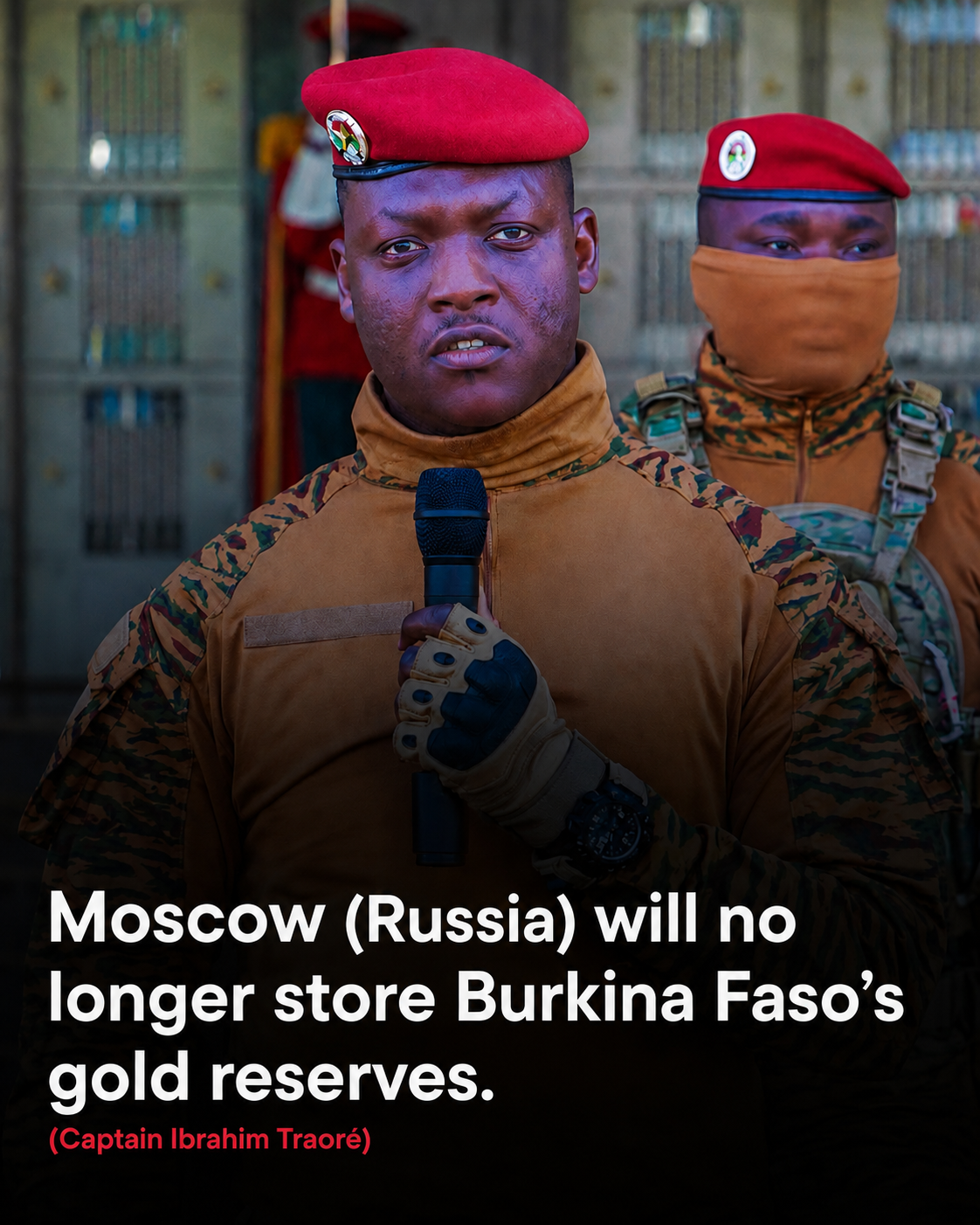
Burkina Faso’s pivot to Russia: a shift in dependence or a new form of sovereignty?
Ouagadougou’s strategic alliances under scrutiny
Since Captain Ibrahim Traoré took the helm of Burkina Faso’s transitional government, Ouagadougou has championed a bold narrative: reclaiming national sovereignty. This message has resonated deeply with a youth eager to break free from the perceived shackles of France, the former colonial power. Yet, as the country forges an increasingly uncritical alliance with Russia, cracks are emerging in the illusion of true emancipation. Far from achieving the promised autonomy, Burkina Faso’s trajectory now mirrors a shift from one dependency to another—this time, under Moscow’s influence.
The financial burden of asymmetric partnerships
The recent negotiations over securing and managing national resources—particularly gold, which accounts for nearly 80% of the country’s export earnings—lay bare Burkina Faso’s precarious economic position. By accepting Russian-backed financial and logistical terms that are disproportionately costly, the government is undermining its own economy. Entrusting foreign entities with control over, storage of, or concessions for its natural resources under the guise of shielding them from Western interference is a paradox. A truly sovereign state does not safeguard its wealth by trading one foreign master for another; it builds internal capacity for self-reliance. Paying a premium to Moscow to protect Burkina Faso’s soil is no longer cooperation—it is extortion.
Security outsourcing: a dangerous gamble
The military pivot toward Russia, including the deployment of instructors and paramilitary forces (formerly Wagner Group, now rebranded under Africa Corps), was supposed to swiftly tip the balance against armed groups terrorizing the nation. Yet, the financial strain of this assistance is crippling an already strained budget, while tangible security gains remain elusive. The recent surge in violent attacks on Burkina Faso’s defense and security forces serves as a stark reminder of Moscow’s limited ability—or willingness—to deliver lasting stability. By tethering Burkina Faso’s security to Russia’s geopolitical agenda, Ouagadougou risks subordinating itself to a partner whose priorities may shift unpredictably. If the Kremlin decides to renegotiate terms or redirect resources elsewhere, Burkina Faso will have little leverage to push back.
From Françafrique to Russafrique: a mere change of master?
The most damning critique of this approach lies in its doctrinal inconsistency. How can a government justify rejecting Western paternalism while embracing Moscow’s opportunistic imperialism without scrutiny? Replacing one form of tutelage with another does not constitute liberation; it is an admission of powerlessness. Russia’s engagement in Africa is driven not by solidarity or anti-colonial sentiment, but by strategic interests: circumventing international sanctions, securing vital resources, and strengthening diplomatic footholds against the Western bloc. By trading Paris for Moscow, Burkina Faso has not broken its chains—it has merely swapped one jailer for another.
The isolationist trap
This exclusive courtship with Russia has left Burkina Faso increasingly isolated on the regional and international stage. By severing ties with traditional donors and straining relations with neighboring West African states, the transitional government has narrowed its diplomatic room for maneuver. A genuinely sovereign nation diversifies its partnerships to balance influence; it does not lock itself into a one-sided relationship where it is perpetually the supplicant. For the Burkinabè people, the reckoning may be harsh. True sovereignty is measured not by the fervor of anti-Western rhetoric, but by a country’s ability to shape its own destiny without seeking approval from Paris, Washington, or Moscow. By mortgaging its future to Russia—both through resource concessions and military outsourcing—Burkina Faso’s current leadership risks mortgaging its independence for decades to come.
