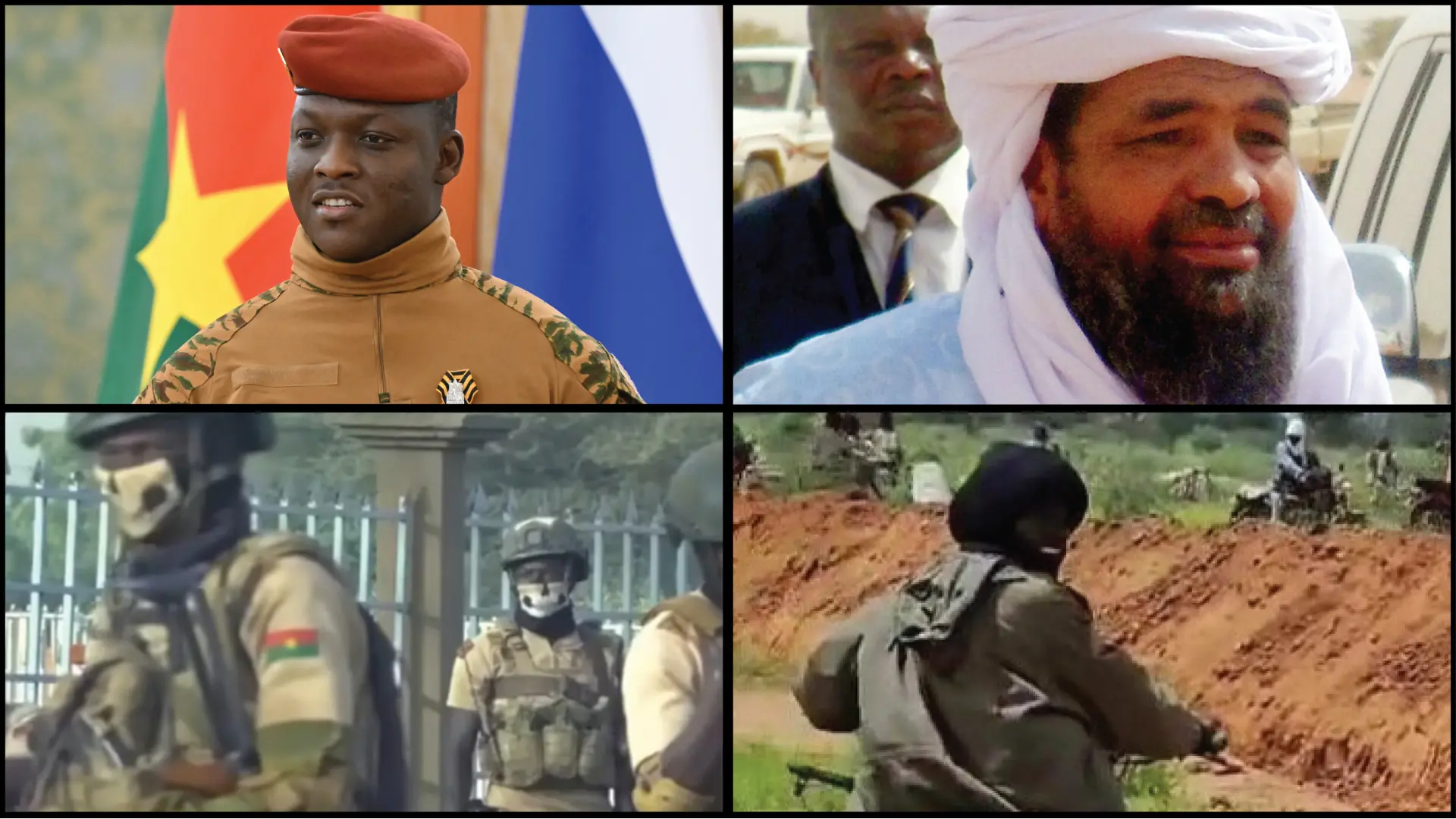
Burkina Faso’s military leader faces intense scrutiny over human rights
Captain Ibrahim Traoré, a 36-year-old military leader, now commands Burkina Faso from the Koulouba palace, having seized power and abolished democratic elections. In a recent two-hour session with six journalists, the young captain presented a positive assessment of his administration. He claimed significant progress: the army was reclaiming national territory, industrial output was rising, gold reserves were accumulating, infrastructure projects like highways were expanding, and Burkinabè citizens were enjoying unprecedented levels of freedom. His narrative painted a picture of a nation on a path to recovery and prosperity.
A grim counter-report from Human Rights Watch
However, this optimistic report card stands in stark contrast to a damning 351-page document released by Human Rights Watch (HRW), titled “No One Will Escape.” This extensive report details the killing of 1,837 civilians over a period of two and a half years. The perpetrators identified include the Burkinabè army, local VDP militias, and JNIM jihadists. Critically, HRW’s findings highlight that state-affiliated forces are systematically involved in these killings, often with the aid of drone surveillance and clear directives from command, suggesting a coordinated pattern of violence.
Documented atrocities and ethnic targeting
The HRW investigation meticulously outlines severe human rights abuses, including alleged war crimes and crimes against humanity. A particularly disturbing aspect is the systematic ethnic targeting of the Fulani community. The report documents numerous summary executions, such as the killing of 223 civilians, including 56 children, in Nondin in February 2024. Other incidents include hundreds of deaths in Baraboulé in December 2023 and the massacre of 130 Fulani near Solenzo in March 2025. This evidence is corroborated by survivor testimonies, satellite imagery, and the discovery of mass graves, painting a harrowing picture of widespread violence.
