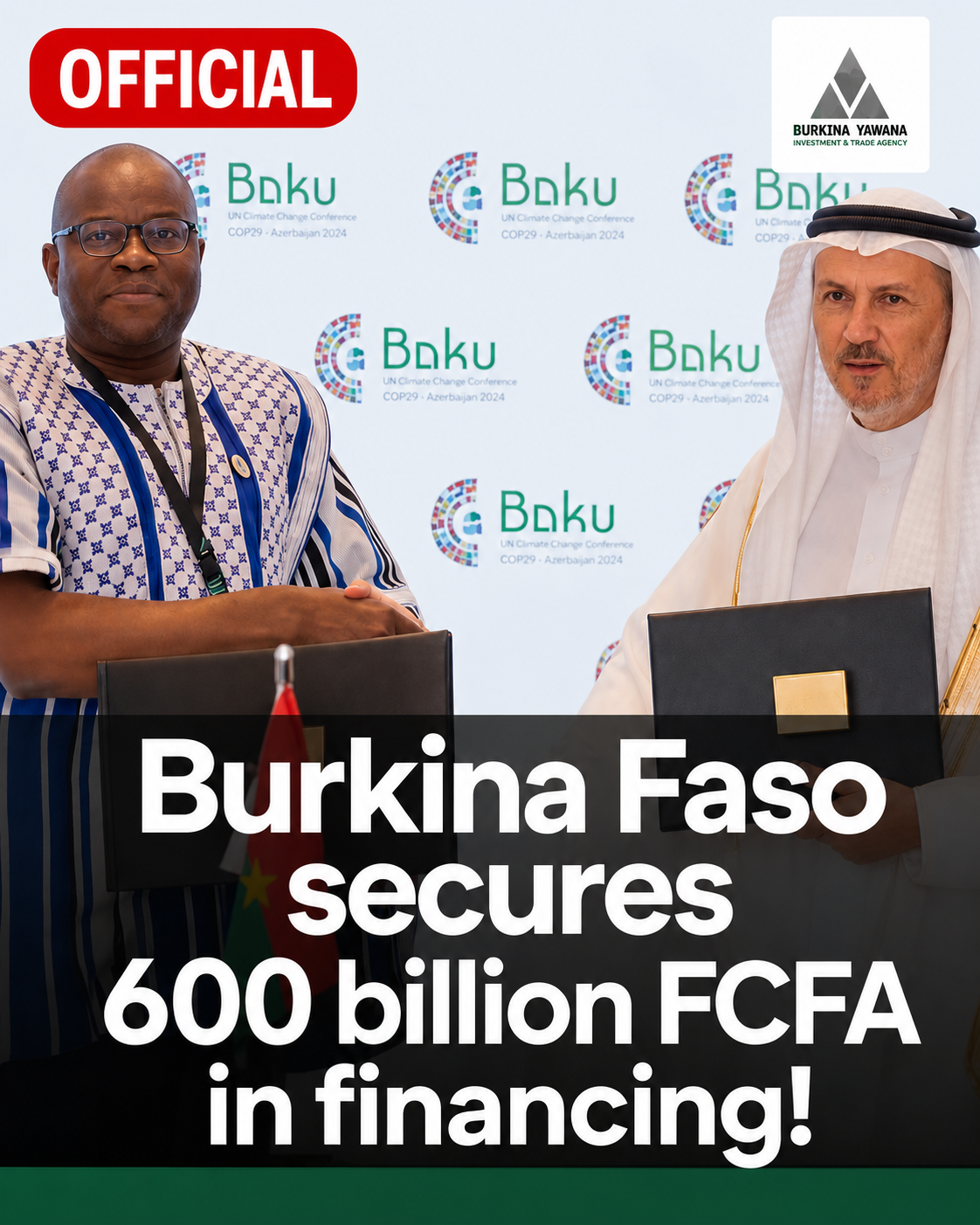
Burkina Faso secures vital funds amid self-sufficiency rhetoric
Financial lifeline amidst claims of self-reliance
The signing of a new financing agreement with the International Islamic Trade Finance Corporation (ITFC) by Minister Aboubakar Nacanabo in Baku has injected a much-needed financial stimulus into Burkina Faso’s struggling economy. Covering essential sectors such as fuel, cereals, fertilizers, and small business support, this infusion of capital represents a critical lifeline for both businesses and households across the country. While the agreement has received little public attention, its impact on everyday Burkinabè will be immediate and far-reaching.
A pragmatic response to economic pressures
The government’s decision to finalize this deal underscores the delicate balance between maintaining public confidence in self-sufficiency and addressing the harsh economic realities facing the nation. Without this financial injection, maintaining adequate fertilizer supplies for agricultural production or stabilizing fuel prices would have posed significant challenges. The agreement, though discreetly concluded, serves as a stark reminder of the country’s persistent financial dependencies.
Dissonance between rhetoric and reality
For months, official communications and public speeches have echoed a bold narrative: Burkina Faso’s development is driven entirely by domestic resources, proudly encapsulated in the slogan ‘no foreign credit.’ This message of resilience and self-reliance has resonated with many citizens, yet it starkly contrasts with the nation’s ongoing reliance on international financing. The recent agreement in Azerbaijan highlights a glaring contradiction—how can a country that champions financial independence continue to engage in substantial external borrowing?
The risks of ignoring financial interdependence
The allure of a debt-free future, while politically expedient, masks a troubling truth. By refusing to acknowledge the extent of the country’s financial obligations, both policymakers and citizens risk an abrupt awakening to the realities of debt accumulation. The promise of self-sufficiency may offer temporary comfort, but it cannot alter the fundamental economic constraints that dictate Burkina Faso’s development trajectory. Unless addressed transparently, the nation may soon face the same fiscal constraints it has sought to evade.
The immutable laws of economics do not bend to political rhetoric. While the ambition to finance development through domestic efforts is commendable, the immediate needs of the Burkinabè people continue to hinge on international financial agreements such as the one recently secured in Baku.
