
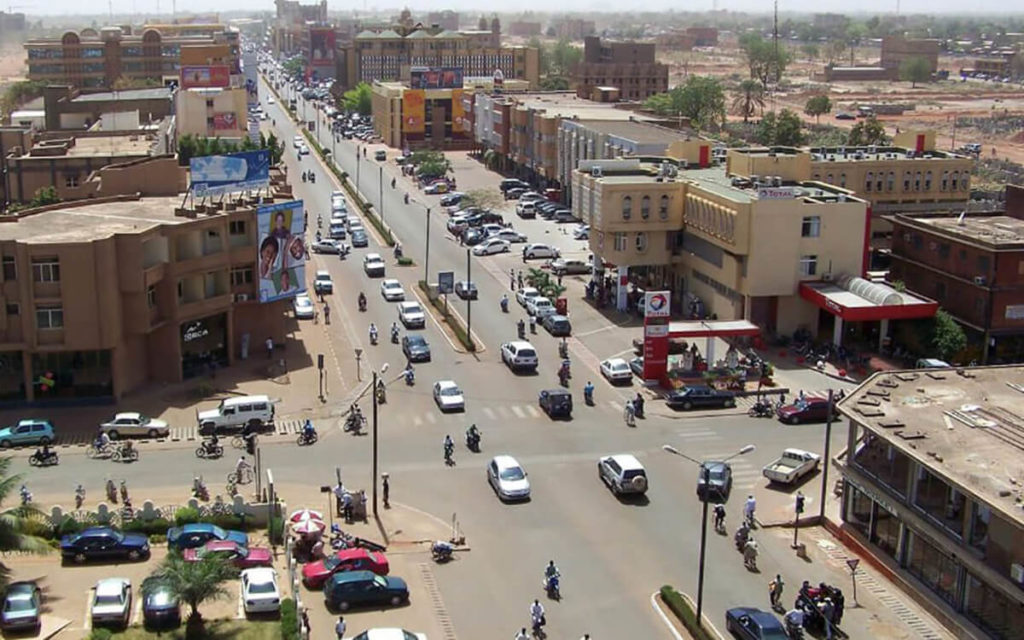
Ouagadougou, Burkina Faso — The Burkinabè government, during a Council of Ministers meeting held on Thursday, June 4, 2026, under the leadership of Comrade Captain Ibrahim Traoré, Head of State, officially adopted a decree outlining the definition and categorization of urban centers across Burkina Faso.
This significant reform arrives amidst a period characterized by rapid urbanization, substantial territorial shifts, and pressing security, demographic, and socio-economic challenges that are profoundly reshaping the nation’s urban landscapes.
Redefining the urban landscape
Under the newly adopted decree, a locality within a full-exercise commune will now be recognized as a city if it meets the following distinct characteristics:
- It must feature a continuously built-up agglomeration;
- The population must reach a minimum of 15,000 inhabitants;
- A functional potable water supply network must be in place;
- Reliable access to electricity is required;
- The presence of an established transportation network is essential;
- Economic activities must predominantly fall within the secondary and tertiary sectors.
Furthermore, the legislation extends city status to:
- All administrative centers of provincial capital communes;
- All administrative centers of full-exercise communes, irrespective of their demographic size.
Introducing three categories of cities
This innovative framework also introduces a structured classification system, dividing urban centers into three distinct categories:
- Metropolitan cities;
- Medium-sized cities;
- Small towns.
The primary objective of this categorization is to enable public policy makers to more effectively tailor urban planning and development strategies, acknowledging the unique attributes and requirements of each urban area.
A vital tool for territorial planning
For the government, this reform serves to modernize a definition that has become increasingly outmoded since the adoption of the National Housing and Urban Development Policy in 2008. The decree is therefore designed to provide both the State and local territorial authorities with a contemporary reference framework, crucial for effective urban planning, efficient infrastructure management, and robust territorial governance across Burkina Faso.