
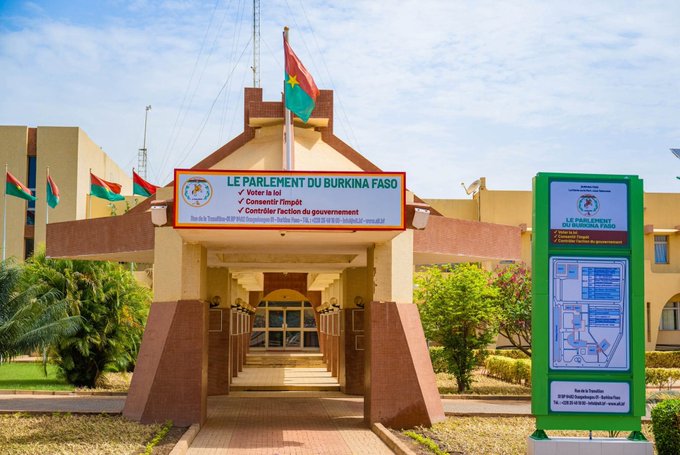
The National People’s Assembly of Burkina Faso is set to deliberate a pivotal religious freedom bill this weekend, marking a critical juncture in the nation’s legal and social landscape. The draft legislation, already approved by the Council of Ministers on March 19, will undergo thorough examination by legislators on Saturday, June 20, 2026, as confirmed by parliamentary sources.
a law born from necessity in a fragile context
Burkina Faso, long celebrated for its tradition of religious tolerance and peaceful coexistence, now faces unprecedented challenges that have prompted this legislative overhaul. The proposed law arrives at a time when the country grapples with escalating security threats, including the rise of extremist ideologies that exploit faith to fuel instability.
strengthening state oversight to curb radicalization
Advocates of the bill argue that clear legal frameworks are essential to combat the spread of hate speech, radical indoctrination, and the misuse of religious institutions for destabilizing purposes. By establishing stricter oversight, the government hopes to curtail the influence of groups that seek to undermine national cohesion under the guise of religious freedom.
transparency and accountability in religious financing
A key provision of the law targets the financial underpinnings of religious organizations. It seeks to mandate rigorous transparency in how places of worship and religious associations secure funding, ensuring that no illicit or foreign sources contribute to their operations. This measure aims to prevent the proliferation of unregulated prayer spaces that could harbor extremist elements.
upholding secularism and equality before the law
The draft legislation reaffirms the principle of state neutrality, ensuring that no religious group—whether majority or minority—receives preferential treatment or faces discrimination from public institutions. Proponents emphasize that this clause is vital to maintaining social harmony in a religiously diverse society.
concerns over state overreach and social cohesion
Despite the bill’s noble intentions, its potential implications have sparked debate among civil society groups and religious leaders. Critics warn that overly stringent regulations could lead to state overreach, infringing upon the rights of faith leaders to practice and preach freely.
the delicate balance of regulating faith
In a nation where religion is deeply embedded in daily life, legal interventions carry significant risks. Analysts caution that any perceived imposition by the state risks exacerbating existing social tensions, particularly in regions already strained by conflict. The success of the law, they argue, hinges on broad-based consensus and inclusive dialogue.
a nation watching closely
As legislators prepare to vote on amendments and the final text, the eyes of the Burkinabè public are fixed on the proceedings. The outcome of this weekend’s session will not only shape the future of religious freedom but also determine the trajectory of Burkina Faso’s democratic transition in a time of crisis.