
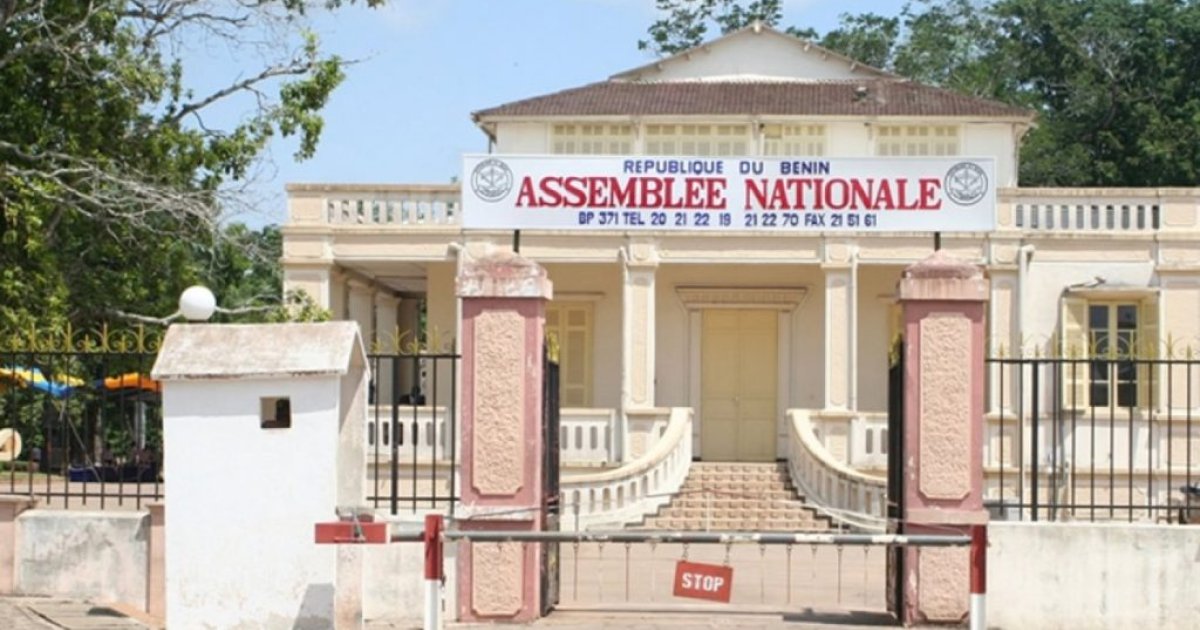
Bénin parliament to deliberate key financial and social reforms Friday
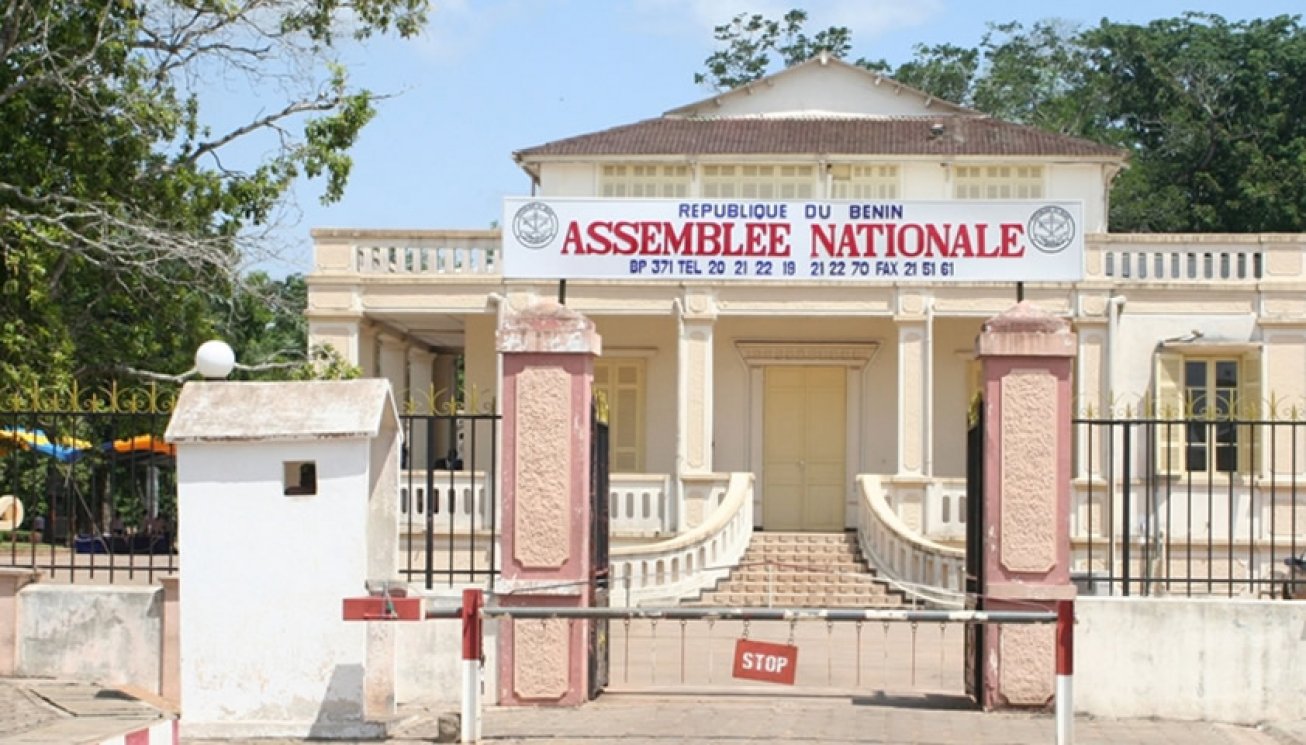
The National Assembly of Bénin is set to convene an urgent plenary session this Friday at the Governors’ Palace to deliberate two critical legislative proposals. The gathering of the 10th legislature follows a rapid validation by the Presidents’ Conference to expedite the examination and adoption of these priority texts.
Two urgent legislative proposals on the agenda
Among the texts to be scrutinized are a supplementary budget bill for 2026 and a modification of the law governing the organization and functioning of the Republic’s Mediator. The urgency of these proposals stems from the need to align public action with the strategic priorities of the new administration under President Romuald Wadagni.
Proposed budget adjustments and their implications
The supplementary budget proposal increases the state’s general budget from 3,783.984 billion to 4,086.620 billion FCFA, representing an 8% rise. Despite this adjustment, macroeconomic projections remain unchanged with a maintained growth rate of 7.5%. Personnel costs are reduced by 9.8%, achieved through rationalization measures that preserve planned recruitments and service acquisitions. Concurrently, budget revenues increase by 2%, while investment expenditures rise by 8.5%.
These financial adjustments reflect a deliberate shift toward social priorities. New allocations target enhanced social protection and human capital development, including:
- Installation of water points in schools and health centers
- Acceleration of nutritional supplementation programs for children during their first 1,000 days
- Strengthening of mandatory health insurance
- Support for children living on the streets or engaged in begging
The education sector receives significant attention with plans to extend free secondary school tuition for girls beginning in the 2026-2027 academic year. Additionally, a program to construct storage facilities for school canteens is set to launch.
Security, health, and infrastructure enhancements
In response to growing security concerns, the government has increased allocations for public safety measures, particularly the deployment of video surveillance systems in major urban centers. The health sector benefits from augmented funding for hospital and clinic construction and rehabilitation, including the operational launch of the Calavi International Hospital. Infrastructure projects receive increased support through the Public Investment Program, focusing on sanitation and transportation initiatives.
Amid ongoing geopolitical tensions affecting commodity prices, the administration has introduced subsidies for agricultural inputs to bolster productivity and reinforce national food security.
This Friday’s session marks a pivotal moment in the parliamentary calendar, combining substantial financial implications with clear political and social commitments.