Boko Haram threat: security forces bolster worship places in Cameroon
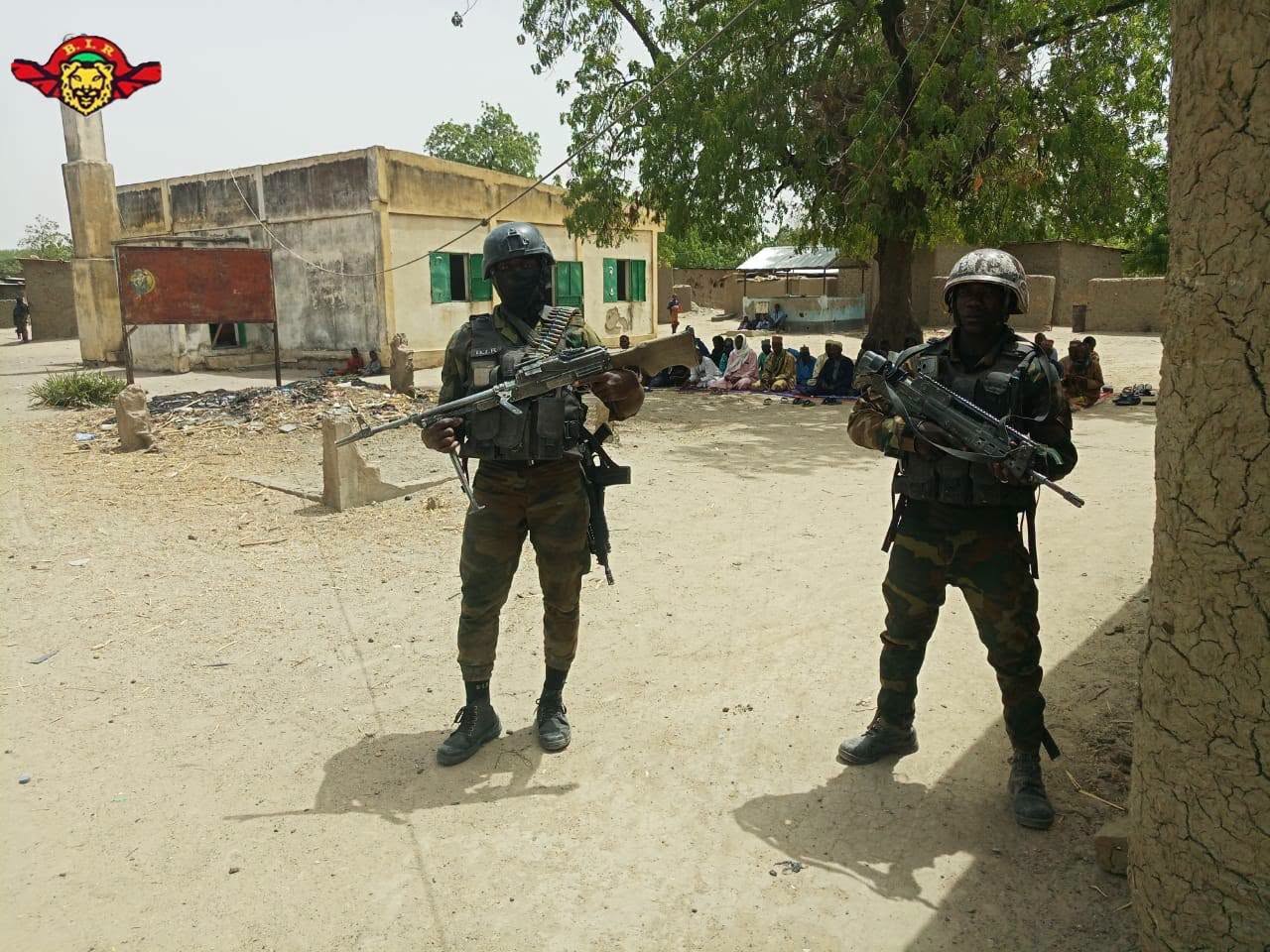
In the ongoing fight against terrorism, particularly against Boko Haram threats, Operation Alpha of the Rapid Intervention Battalions (BIR) is prioritizing the security of religious sites.
As part of the broader counterterrorism efforts against Boko Haram, Operation Alpha of the Rapid Intervention Battalions (BIR) is intensifying security measures at places of worship.
These locations, frequently targeted by terrorist groups aiming to instill fear and disrupt social harmony, now benefit from enhanced monitoring and tailored protection protocols. Through regular patrols, visible deterrence, and heightened vigilance during religious gatherings, Operation Alpha works to prevent attacks and ensure worshippers can practice their faith in safety.
The initiative underscores the BIR’s unwavering commitment to safeguarding communities, upholding religious freedoms, and reinforcing stability across Cameroon. Rapid Intervention Battalions, elite units within Cameroon’s military, report directly to the country’s president and receive backing from the United States. Their primary mission involves combating Boko Haram insurgents in the northern regions and separatist factions in the western areas of the country.
The BIR operates with a budget not reflected in the national defense ministry’s allocations, with funding reportedly channeled through the national hydrocarbons company (SNH). This specialized force also boasts its own insignia, featuring a lion emblem, and its headquarters in Yaoundé—known as Bastos, named after the district it occupies—serves as a central command hub.
Established in 2001 and expanded in 2008, the BIR initially consisted of three regional battalions, each structured with an intervention unit of 145 personnel, a 37-member command and special support section, a 37-strong elite intervention squad, a 97-person command and support group, and a light intervention team.
Be the first to comment on this article
Comments