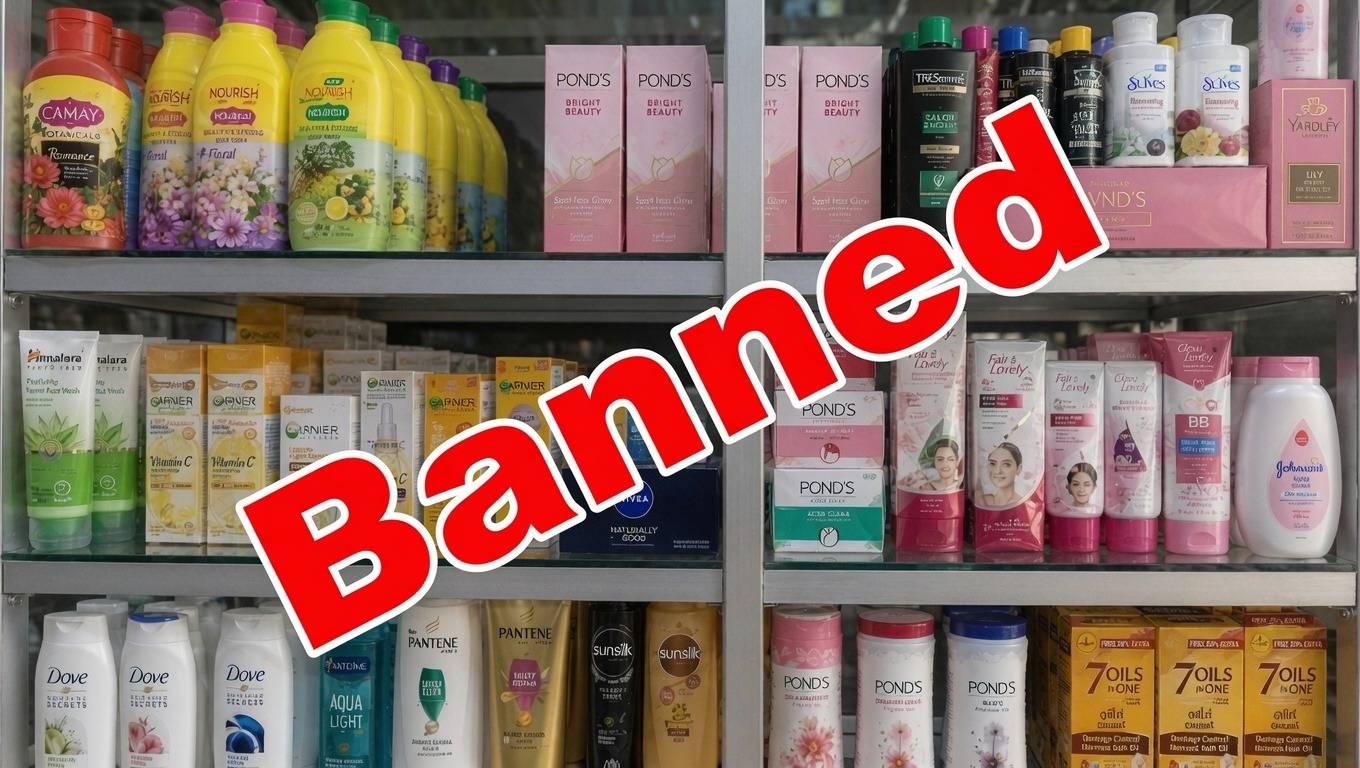
Bénin cracks down on harmful skin-lightening products
In a decisive move to safeguard public health, the government of Bénin has implemented a sweeping ban on all skin-lightening products, including creams, lotions, and other substances marketed for complexion enhancement. Effective since May 5, the prohibition targets a widespread practice locally known as tchatcho, which has long posed significant health risks to users across diverse social backgrounds.
Eradicating a deeply rooted cosmetic habit
The tchatcho phenomenon, once ubiquitous in markets like Dantokpa and readily available through informal online platforms, has now been declared illegal. Authorities have compiled a definitive list of prohibited products, prioritizing those with hazardous ingredients. Enhanced monitoring measures are being enforced at all levels of the supply chain—from wholesalers to small-scale vendors—to dismantle the lucrative yet unregulated trade.
The hidden dangers of artificial depigmentation
Medical professionals have repeatedly highlighted the severe health consequences associated with skin-lightening practices. Dermatologists warn that many of these products contain toxic substances such as hydroquinone, potent corticosteroids, and mercury, which can cause irreversible damage when used over time.
Immediate effects include severe skin thinning, deep stretch marks, persistent burns, impaired wound healing, and recurring infections. Beyond cosmetic harm, these chemicals may contribute to chronic renal failure, elevated blood pressure, metabolic disorders, and an increased risk of skin cancer.
Overcoming systemic challenges
While regulatory enforcement is critical, the campaign faces substantial obstacles. Cross-border smuggling, the adaptability of underground vendors, and the constant rebranding of banned products to evade detection complicate enforcement efforts.
The deeper challenge lies in cultural perceptions. Societal pressures and entrenched beauty standards continue to fuel demand for lighter skin, necessitating more than just punitive measures. Comprehensive awareness initiatives will be essential to reshape public attitudes and encourage acceptance of natural skin tones.
By taking this bold stance, Bénin has positioned itself at the forefront of a broader movement to prioritize health over harmful beauty trends. The true test will be whether sustained regulatory vigilance and societal transformation can collectively curb the tchatcho phenomenon in the long term.
