
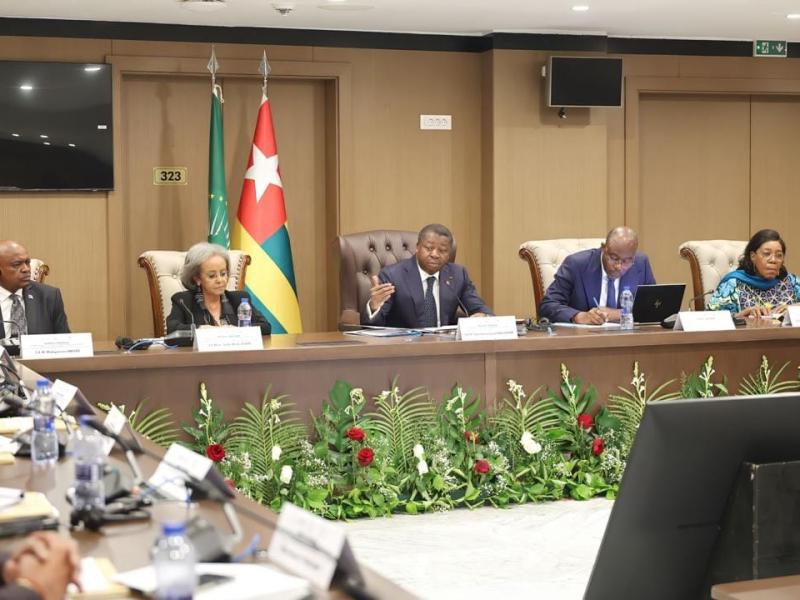
In a decisive move to break the deadlock in the eastern Democratic Republic of Congo (DRC), African mediators have finalized a robust action plan for the second half of 2026. The announcement follows a high-level meeting in Lomé, Togo, where regional leaders and international partners convened to assess progress and chart a new course for peace in a conflict zone plagued by persistent instability.
The two-day gathering, held on June 7-8, 2026, was led by Faure Gnassingbé, Prime Minister of Togo and designated mediator by the African Union (AU) for the DRC crisis. The event brought together key stakeholders including the AU’s facilitators, representatives from the United Nations, the East African Community (EAC), the Economic Community of Central African States (ECCAS), the Southern African Development Community (SADC), the International Conference on the Great Lakes Region (ICGLR), and the International Committee of the Red Cross (ICRC).
a renewed framework for peace efforts
The meeting served as a critical review of the Lomé Peace Architecture, launched in January 2026, which aims to synchronize African-led mediation with complementary international processes in Washington and Doha. Participants emphasized the urgent need to strengthen coordination among the AU, facilitators, and regional blocs to ensure seamless implementation of peace initiatives.
Among the adopted measures:
- Strategic alignment: Harmonizing contributions from African stakeholders to enhance legitimacy and effectiveness of the Washington and Doha tracks.
- Enhanced collaboration: Mandating all involved states and organizations to reinforce cooperation while respecting their defined roles within the Lomé framework.
- Operational clarity: Finalizing a 15-day action plan to operationalize decisions, including revised work plans for facilitators.
addressing root causes and humanitarian concerns
The revised strategy places a renewed focus on the humanitarian crisis in eastern DRC, where ongoing clashes between government forces and the M23 rebel group—allegedly backed by Rwanda—have displaced thousands and exacerbated regional tensions. The AU’s facilitators, including former heads of state like Olusegun Obasanjo (security), Sahle-Work Zewde (humanitarian), and Uhuru Kenyatta (dialogue with armed groups), will intensify efforts to address both military and civilian needs.
According to the Togolese presidency, the new measures reflect a collective commitment to accelerate peacebuilding, with a clear timeline for accountability and follow-through. The AU’s mediation team also includes regional heavyweights such as Mokgweetsi Masisi (economic cooperation) and Catherine Samba-Panza (civil society and gender issues).
This initiative follows the January 2026 Lomé summit, which established the AU’s mediation architecture and sought to restore trust among conflicting parties. The renewed push comes as diplomatic efforts face mounting pressure to deliver tangible results amid escalating violence and regional instability.
looking ahead: expectations for the second half of 2026
With the new roadmap in place, mediators are tasked with delivering on three core objectives:
- Consolidating peace talks: Ensuring African voices are amplified in Washington and Doha processes.
- Strengthening regional solidarity: Aligning mandates of EAC, ECCAS, and SADC to avoid overlapping or conflicting approaches.
- Addressing humanitarian fallout: Prioritizing aid delivery and civilian protection in conflict-affected zones like North Kivu and Ituri.