
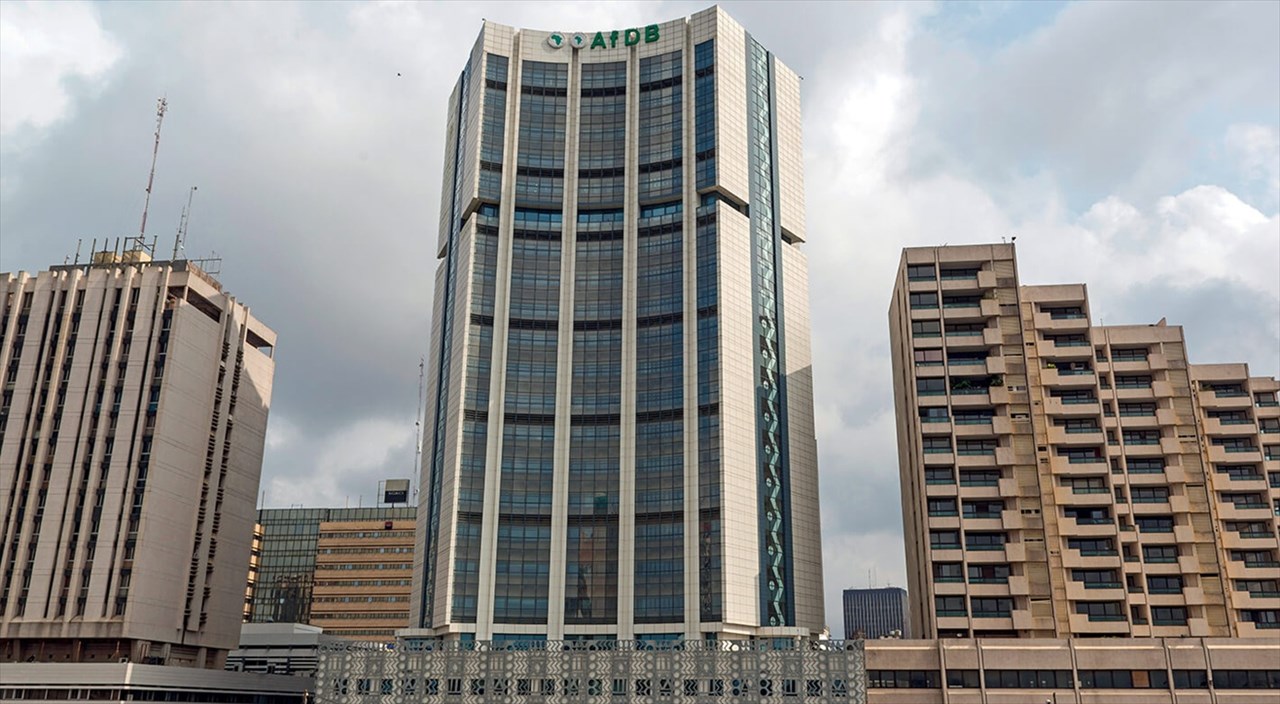
Building a stronger future: The African Development Bank’s roadmap for Burkina Faso
A high-level delegation from the African Development Bank (AfDB) arrived in Ouagadougou on May 4, 2026, to launch a series of strategic consultations aimed at shaping the country’s next five-year development partnership. Led by Lamin Barrow, AfDB Regional Director for West Africa, the mission marks the beginning of work on the new Country Strategy Paper 2027–2031, designed to align the Bank’s support with Burkina Faso’s most pressing development needs.
From interim plan to long-term vision
The current interim strategy, originally set to end in 2026, has been extended through the close of the year. During this extended period, the Bank has continued to assess progress, identify key achievements, and pinpoint areas for deeper collaboration. The upcoming strategy will focus on economic resilience, infrastructure growth, productive transformation, private sector support, and faster, more efficient project delivery.
In meetings with government leaders, Lamin Barrow commended Burkina Faso’s ‘strong macroeconomic performance’ and its commitment to security, while emphasizing the central role of the national development plan ‘RELANCE’ (2026–2030) in driving sustainable growth.
Government calls for faster, more adaptable financing
Aboubakar Nacanabo, Minister of Economy and Finance, urged the AfDB to deepen its support for productive investments, particularly in industrialization, energy capacity expansion, and private sector competitiveness. He also stressed the need for ‘greater speed and flexibility’ in the Bank’s operational processes to meet urgent development demands.
Measurable impact: A portfolio worth nearly $1 billion
As of April 30, 2026, the AfDB’s active portfolio in Burkina Faso included 19 projects across five priority sectors, totaling $956.1 million. Since the start of the interim strategy, 13 new projects have been approved, with two more expected by the end of the year.
Addressing persistent challenges
The consultations also highlighted critical hurdles for the next cooperation cycle: streamlining land acquisition processes, enhancing responsiveness to immediate community needs, and sustaining investments nationwide despite ongoing fragility.