AES alliance: joint military force launched amid jihadist threats in Mali, Burkina Faso, Niger
The AES alliance—comprising Mali, Burkina Faso, and Niger—is advancing its joint defense strategy after a series of military coups between 2020 and 2023 brought authoritarian juntas to power. These governments, rooted in sovereigntist policies, have distanced themselves from Western influence in favor of new international partnerships.
key meetings and strategic initiatives
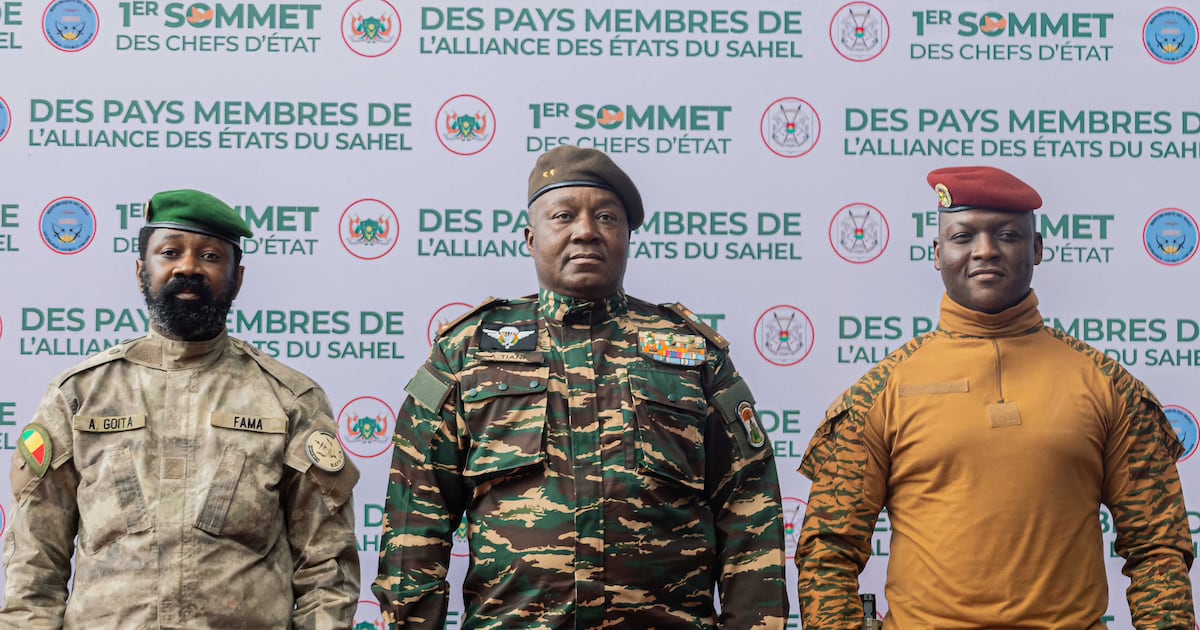
Mali’s transitional leader, Assimi Goïta, hosted a critical summit in Bamako with Niger’s military head, General Abdourahamane Tiani. The meeting, which extended into a second day, also included the arrival of Burkina Faso’s junta leader, Captain Ibrahim Traoré, as confirmed by Malian authorities.
The primary agenda centered on formalizing a joint military force to counter the escalating jihadist insurgency ravaging the Sahel region. On Saturday, Assimi Goïta presented a banner to the AES Unified Force (FU-AES), marking its symbolic activation. However, officials have not yet announced a concrete deployment timeline.
regional security challenges
For over a decade, Mali, Burkina Faso, and Niger have faced relentless attacks from Al-Qaida-linked and Islamic State-affiliated groups. Despite these efforts, the violence persists, with jihadists now expanding operations into southern Mali, where they are systematically undermining the landlocked nation’s economy.
In Burkina Faso and Niger, the insurgency continues to destabilize central authorities, displacing thousands of civilians and exacerbating regional instability. A representative from Mali’s Ministry of Defense stated, “We’ve allocated the necessary resources. Each country has contributed troops and equipment. We will stand united on the ground.”
economic and media integration strides
Beyond defense, the AES alliance is fostering deeper collaboration. On Monday, Goïta and Tiani inaugurated the headquarters of “AES Television”, though its official launch date remains undisclosed. Additionally, the summit is expected to approve the establishment of a shared investment bank, headquartered in Bamako, to bolster economic ties among the three nations.
The AES has notably shifted from reliance on France—its former colonial power—and the ECOWAS regional bloc, instead forging closer ties with partners like Russia to strengthen its strategic autonomy.
