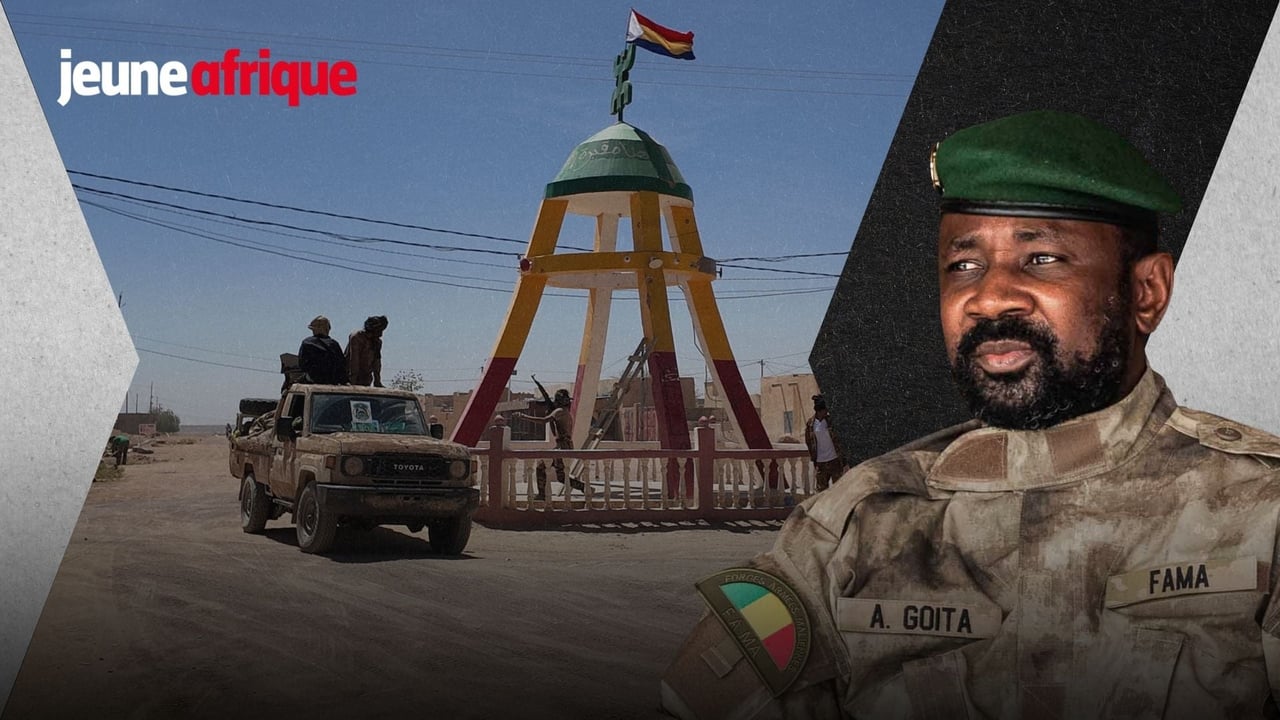
A “black saturday” shakes Mali’s security landscape
April 25, 2026, marked a profoundly violent “Black Saturday” in Mali, a day of unprecedented turmoil for the West African nation since 2012. This date witnessed a series of highly coordinated attacks across the country, with multiple urban centers coming under assault and high-profile government figures specifically targeted. The intense clashes tragically resulted in the death of Mali’s defense minister, underscoring the severe escalation of the ongoing security crisis.
The events of that fateful Saturday also brought to light a significant and now openly acknowledged alliance between various jihadist factions, notably the Support Group for Islam and Muslims (Jnim), and independentist rebels. This strategic convergence of groups, previously operating with varying degrees of coordination, has reshaped the security challenges facing Mali and its leadership, including President Assimi Goïta.

A significant development on this critical day was the takeover of Kidal by the FLA (Front de Libération de l’Azawad) on April 25, 2026. Prior to this, a checkpoint at the entrance of Kidal, on the route towards Tessalit, was under the control of Africa Corps mercenaries, highlighting the complex array of actors involved in the conflict. This shift in control in Kidal is a stark indicator of the fluid and volatile situation impacting Mali’s current affairs and overall stability in West Africa.
The severity of these coordinated assaults suggests a deepening crisis for Mali politics, challenging the authority of the state and demanding urgent responses. The events of April 25, 2026, have sent shockwaves, not only through Bamako but across the region, raising concerns about the future trajectory of security and governance in Mali. The government faces an immense task in restoring order and addressing the root causes of this persistent insecurity.
