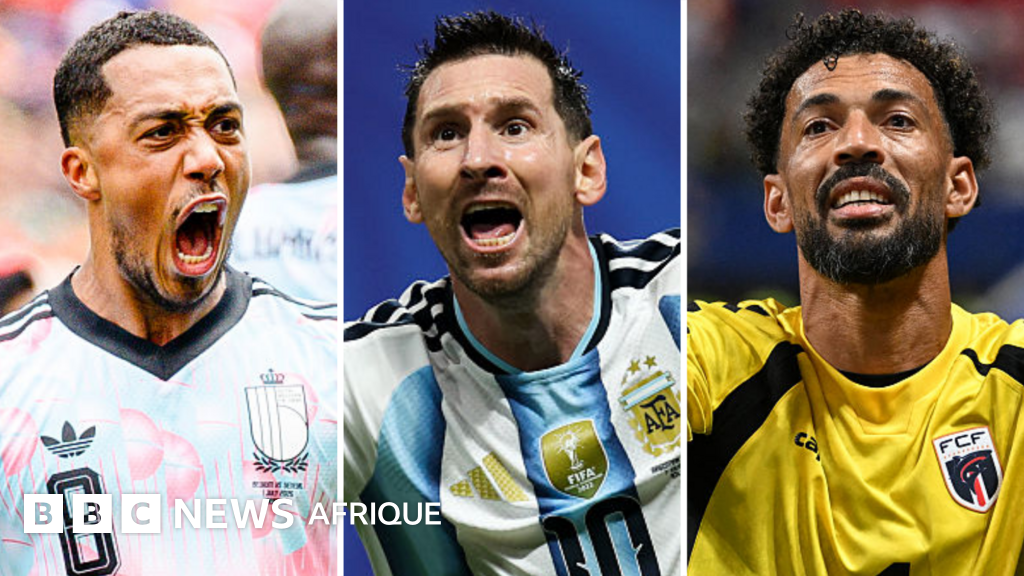
2026 world cup: thrilling comebacks, record goals and unforgettable drama
2026 world cup: thrilling comebacks, record goals and unforgettable drama
With breathtaking late goals, dramatic comebacks and surprising upsets, the 2026 FIFA World Cup is rewriting football history. As the quarter-finals approach, the tournament in Canada, Mexico and the United States has already delivered unforgettable moments that could make it the greatest edition ever.
Is this the best World Cup of all time? While opinions vary, the numbers speak for themselves. After 104 matches, 280 goals have been scored — an average of 2.92 goals per game, the highest since Mexico 1970. For comparison, the last three tournaments averaged between 2.27 and 2.69 goals per match.
This offensive surge is evident in multiple ways. Only 5% of goals came from penalties, the lowest rate in World Cup history. Meanwhile, 74.6% were scored in open play, one of the highest proportions ever recorded. The most prolific match saw Germany thrash Curaçao 7-1, while six other games featured seven goals and thirteen others saw five.
Unmatched drama until the final whistle
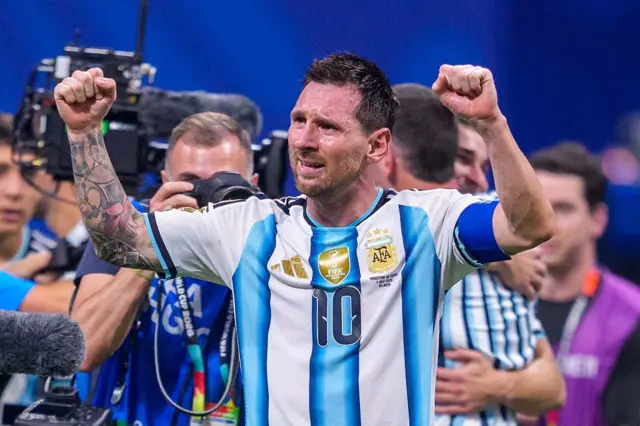
The tournament has been defined by late drama. Eight knockout matches were decided by a goal after the 85th minute, while Argentina needed extra time to overcome Cape Verde — a true underdog story. Four games went to penalties, including Argentina’s tense victory over Egypt, sealed by Enzo Fernández’s 90th-minute winner, the 10th goal scored in stoppage time this World Cup.
Three July classics have already taken place: Belgium overturned a two-goal deficit to beat Senegal 3-2, Argentina did the same against Egypt, and England came from behind to defeat Mexico 3-2 in a hostile Azteca Stadium. England’s win came despite a red card and 40 minutes of numerical inferiority. These comebacks are a first since 1970, when two teams achieved such feats in the same tournament.
The competition has also seen eight goalless draws, a record for a World Cup. But far from signaling poor quality, this reflects the growing tactical sophistication and defensive resilience among teams.
Fans, stars and underdogs light up the tournament
Despite concerns over ticket prices and travel costs, stadiums have been packed. The FIFA reports a 99.7% attendance rate, with over 6.2 million spectators across group and knockout stages. The average crowd of 65,000 per match is second only to the 1994 World Cup in the United States.
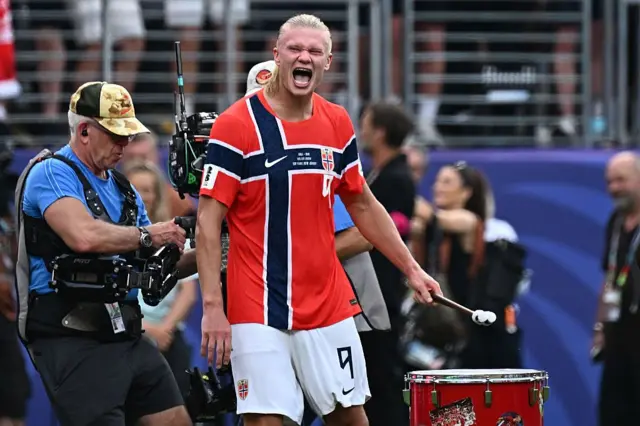
The tournament has also showcased the world’s top talent. Lionel Messi leads the scoring charts with eight goals, closely followed by Kylian Mbappé and Erling Haaland with seven each, and Harry Kane with six. This is the first time three players have scored seven or more goals in a single World Cup.
Smaller nations have written their own stories. Curaçao, the smallest country ever to qualify, recovered from a 7-1 loss to Germany to draw with Ecuador. Qatar, despite a 6-0 defeat to Canada, held Switzerland to a 1-1 draw. Cape Verde stunned Spain, Uruguay and Saudi Arabia before pushing Argentina to extra time in a memorable Round of 16 clash.
Controversies and challenges overshadow the spectacle
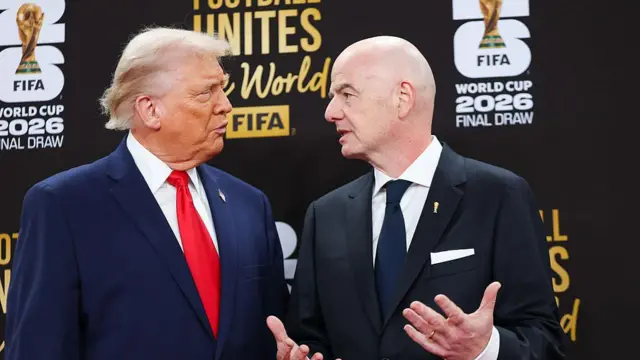
The tournament has not been without controversy. High costs for tickets, hotels and transport strained the budgets of many fans. Hydration breaks, introduced to protect players in extreme heat, were welcomed in hot conditions but criticized when used in air-conditioned or rainy stadiums.
The extended schedule — with matches almost daily from June 11 to July 19 — has drawn criticism for player fatigue and the late resumption of domestic leagues. The Premier League’s August restart, just over a month after the final, raises concerns about recovery and performance.
The most damaging controversy involved American striker Folarin Balogun. Despite a red card against Bosnia and Herzegovina, he played the next match after a controversial intervention. This decision, linked to political pressure, has sparked outrage and questions about the integrity of disciplinary processes.
Can the final live up to the hype?
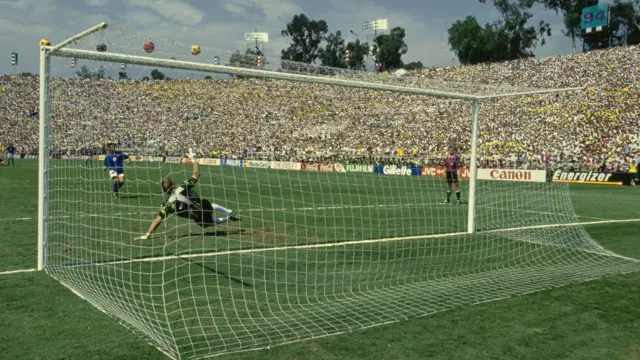
The World Cup has delivered on excitement, with packed stadiums and global fanfare. With the quarter-finals featuring four of the world’s top-ranked teams — Argentina, Spain, France and England — the stage is set for a thrilling climax.
A disappointing final could tarnish memories of this tournament, as seen in 1990 and 1994. But a spectacular showdown could cement the 2026 World Cup as the greatest in history.
One thing is certain: this month-long festival of football has already given fans more than enough to remember.
